Portuguese
  Spanish


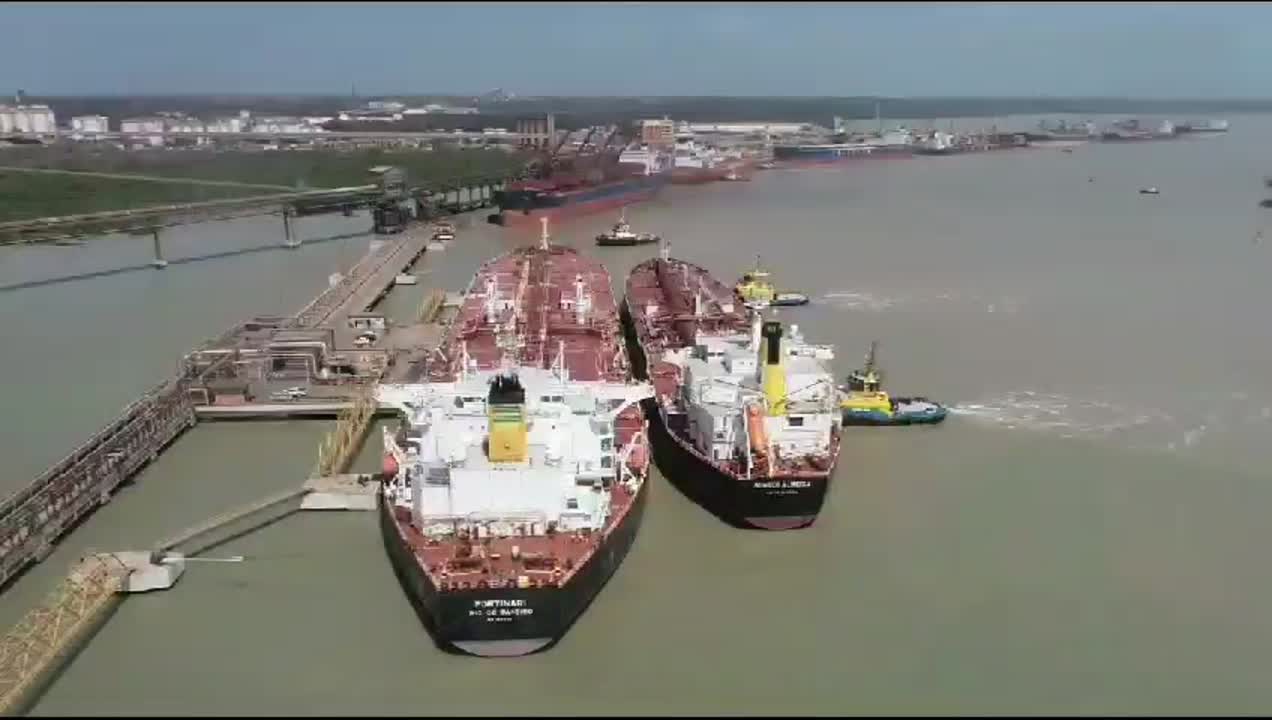

The First Ship to Ship Operation in Maranhão Is Another Milestone That Consolidates Transpetro as a Reference in Oil and Derivatives Logistics.
The logistics giant has just carried out a “Ship to Ship” (STS) operation in Maranhão that not only redefines efficiency standards but also promises to shake up the market. And guess what, it all took place at the Itaqui Port!
For those who are unaware, the Ship to Ship (STS) operation is simply the act of transferring diesel from one ship to another while they are docked. Transpetro used its ships Portinari and Rômulo Almeida to accomplish the feat, moving no less than 20,000 m³ of S-10 diesel. It’s a true logistical balancing act that increases operational efficiency and additionally saves a lot of money.
By Using STS, Transpetro Is Able to Reduce Logistics Costs for Oil and Derivatives by Up to 30%
In other words, more products arriving faster and cheaper for all of Brazil. And that’s not all; this transfer mode makes the port more agile and efficient, freeing up space for other vessels.
-
The Port of Itaqui closes the best first semester in history with over 17 million tons and takes off as the locomotive of the Northern Arc.

-
With a record production of nearly 3 million barrels per day, Petrobras resumes importing diesel in July, highlighting the bottleneck in Brazilian refining.
-
Brazil’s North-South Railway to Auction Two Grain Terminals in Central Tocantins

-
AI-powered traffic cameras in São Paulo now issue fines for cellphone use and seatbelt violations around the clock


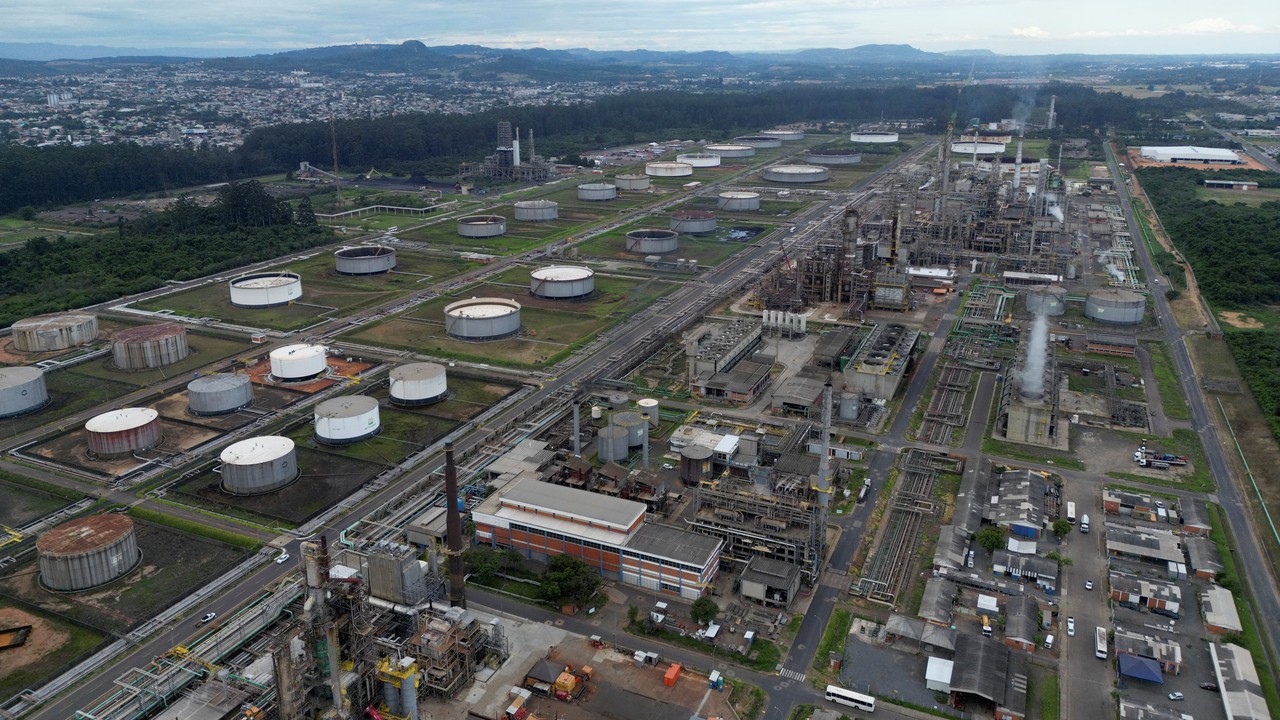


About Transpetro and Itaqui Port
Transpetro is not in this by mere luck. Up until August of this year, the company had already conducted 432 fuel transfers in the country, all with the seal of environmental safety guarantees. It’s no wonder that it positions itself as the largest multimodal logistics operator of oil and derivatives in Latin America.
Now, the Itaqui Port is not just any port; it is one of the main points for receiving and distributing derivatives in Brazil. From diesel to gasoline, everything arrives there to be subsequently transported overland to gas stations in states like Maranhão, Piauí, Tocantins, Goiás, Mato Grosso, and Pará. With the addition of STS to the mix, this whole dynamic is only set to improve!