Portuguese
  Spanish


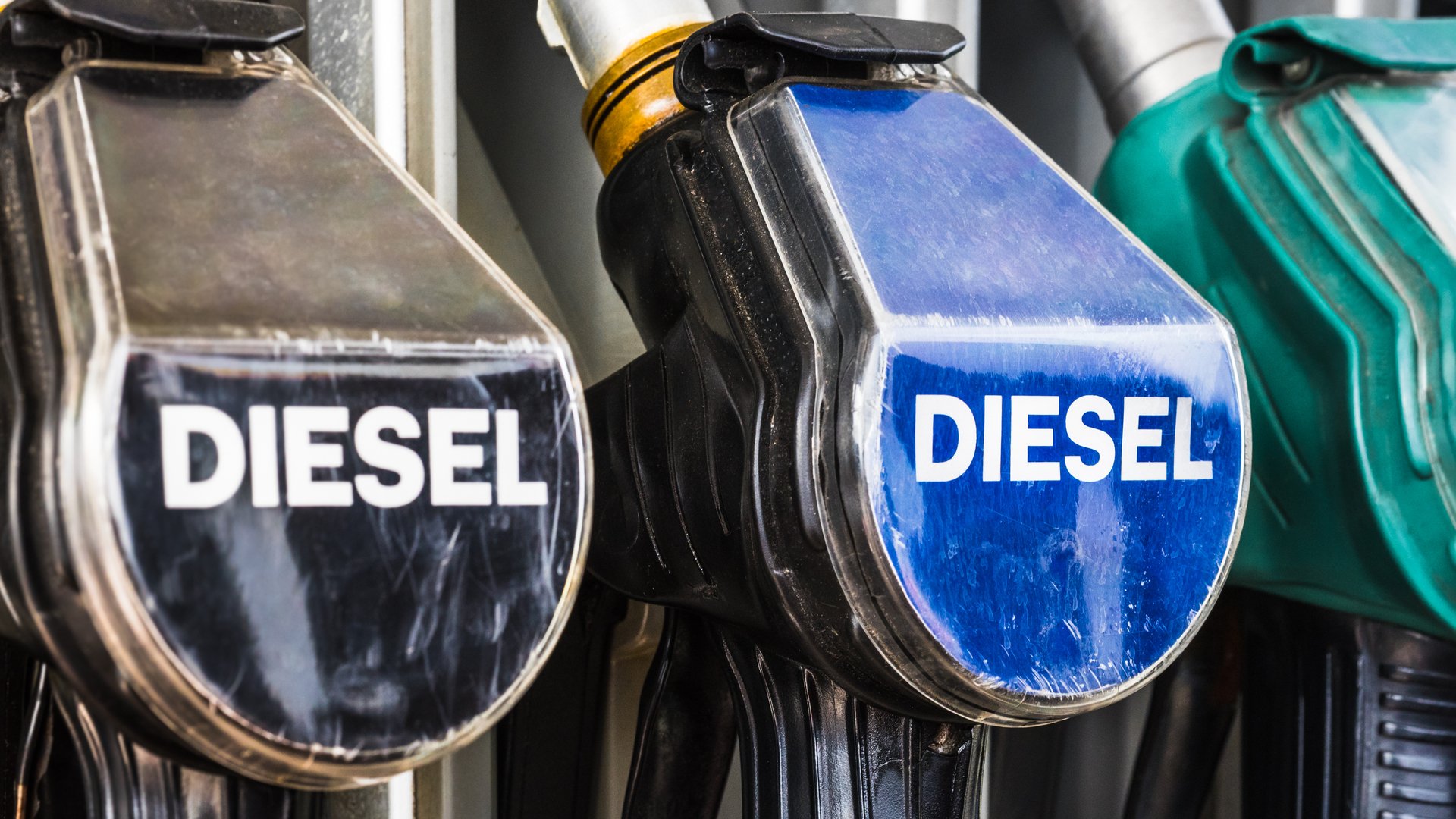

Antônio Lodi, CEO of Andrade Transport, States That the Moment Is One of Growth for Transport Companies and That We Must Think of Ways to Optimize Activities Carried Out by Companies to Save Diesel and Other Fuels.
Lodi, CEO of Andrade Transport, states in an interview that diesel has accumulated a rise of about 65% over the last 52 weeks. Fuels in general have a similar variation, especially regarding oil, which serves as the basis for most of them. In summary, BRENT has an accumulated increase of around 53%, slightly lower than the percentages found during 2021, when it reached 120%. In fact, the United States and China reported that they would be using reserves to control the spikes.
Also Read:
- New Thermoelectric Material Developed by Scientists Can Outperform Any Other in Converting Heat to Electricity and Promises to Revolutionize the Thermoelectric Plant Market
- Germany Welcomes Its First Hydrogen Tugboat Emission-Free
- Ports of Paraná Made Investments of R$ 27 Million in Information Technology in 2021
Reduction of Tax Burden Is Essential for Transport Companies
According to Andrade Transport, the reduction of taxation on the value of fuels for the trucking sector can make a huge difference when analyzed in the long term. The CEO also highlighted Bill No. 1,472/2021, which aimed to regulate fuel prices. Moreover, during 2021, the President of the Republic, Jair Bolsonaro, addressed the possibility of creating aid for workers in the sector so that they would not be harmed by fluctuations in the dollar and, consequently, in the price of diesel itself.
Antônio further argues that the transport sector can represent a way out of the Brazilian crisis we are experiencing, and thus, the sector needs to be even more professional about the strategies it employs to save time and even fuel. In this way, more savings are ensured while improving the quality of the services that must be provided.
-
2027 Toyota Corolla Cross Unveiled: New Design, Enhanced Fuel Efficiency, Reduced Maintenance Costs, Advanced Technology, Connected Services, and Up to 10-Year Warranty

-
Fiat Cronos Precision 2018: Affordable Sedan with Spacious Trunk and Reliable Maintenance
-
Volkswagen to Cut Production by 1 Million Cars by 2030, Reducing Jobs and Platforms, Focusing on More Profitable Models

-
Toyota Launches First 100% Electric Car in Brazil: bZ4X with 343 HP, All-Wheel Drive, 361 km Range, Priced at $419,990 BRL, Limited to 99 Units




Antonio Lodi is the CEO of Andrade Transport, which was founded in the 1970s with the goal of working with transport throughout the country by offering the possibility of faster, strategic deliveries at a better cost-benefit for its clients. The brand is one of the most influential in the transport sector and provides services nationally for large companies.
What Are the Expectations for the Transport Sector During the Year 2022? And Diesel?
Online shopping is becoming increasingly popular during 2022 and promises to be a trend for commerce in the post-pandemic era. The Covid-19 pandemic completely changed the way people interact with each other and even how purchases are made. Therefore, with this growing demand, optimizing processes is more than essential to ensure a more satisfactory return on profits, which can later be used as a form of investment for new demands that are yet to come.
Meanwhile, concerns arise about fuels. According to ANP, at least 20 Brazilian states have already recorded gasoline prices above R$ 7 per liter. The same may happen with diesel if fluctuations continue to intensify. Fortunately, the Chamber of Deputies and the Senate are planning ways to stabilize prices through legislative projects that have been discussed since last year to protect the sector.