






 Portuguese
  Spanish
 3 min of reading
  2 comments


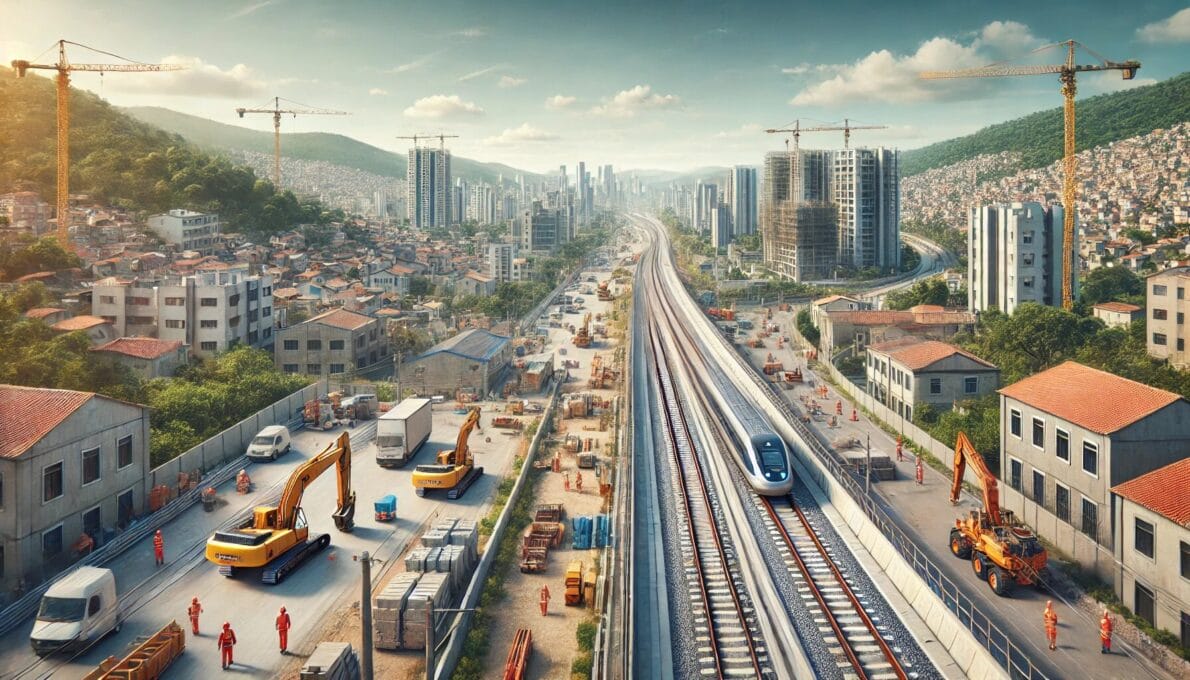

High-Speed Train Connecting Rio de Janeiro and São Paulo Promises to Revolutionize Transportation in Brazil. With a Cost of R$ 50 Billion and Forecasts of 10 Thousand Jobs, the Project Advances Towards Execution.
The much-anticipated high-speed train between Rio de Janeiro and São Paulo, promising a revolution in transportation between the two largest cities in Brazil, is back at the center of discussions.
The project, announced with the promise of reducing travel time to less than two hours, sparks curiosity among thousands of Brazilians, both for the benefits and the challenges and enormous cost of its execution.
But, at what stage is this billion-dollar project? And will the plans finally be put into action?
-
Brazilian Joins Homeownership Consortium, Faces Decade of Dual Payments Totaling $141,000, Surpassing Traditional Mortgage

-
Land Rover to Halt Production in July, Putting 371 Jobs at Risk, as Chinese Automaker Negotiates to Convert Factory to 100,000 Vehicles Annually by 2027

-
Mexican Pest Threatens U.S. Cattle Herds at Historic Lows, Potentially Boosting Brazilian Beef Exports as Burger Prices Soar

-
Brazilian Freight Bill Progresses in Congress with $5,000 Minimum Wage, 70% Advance Payment, and Fines Up to $1 Million, as Agriculture and Industry Warn of Rising Costs and Legal Uncertainty


Since February 2023, the company TAV Brasil has federal authorization to start the high-speed train (TAV) project linking São Paulo to Rio de Janeiro.
Thus, the next step is obtaining the necessary licenses, a phase in which the project currently stands.
The forecast is that construction will begin in 2027, with completion in 2032, requiring an investment of around R$ 50 billion.
Planned Route and Intermediate Stations
The original route, extending 417 kilometers, promises to cut travel time between the capitals to approximately 1h45.
However, some changes have been made compared to the initial planning from 2010, such as adding stops at four strategic points along the route:
São José dos Campos, Volta Redonda, one in the North Zone of São Paulo, and the final stop in downtown Rio de Janeiro.
According to information shared on social media and at mobility events, the route will primarily be at surface level.
However, in densely urbanized areas, such as Greater São Paulo, three major tunnels will be constructed: 3.5 km in Arujá, 8.5 km in Guarulhos, and 20 km in the capital city.
The expectation is that this measure will reduce the impact on residential areas.
Connection with the North Road Ring and Urban Impact
During the LIDE Seminar on Transportation and Mobility, Bernardo Figueiredo, CEO of TAV Brasil, highlighted the possibility of part of the railway using the northern section of the Road Ring in São Paulo.
This measure, however, will depend on an agreement with the State Government, aiming to optimize the route and minimize urban impacts.
In São Paulo, the exact definition of the stations is still under discussion.
In Rio de Janeiro, one of the options studied for the train’s arrival is the traditional Barão de Mauá (Leopoldina) station, which could become the entry point for high-speed passengers in the capital city.
Bets and Doubts about Viability
Even with expectations for generating 10 thousand jobs directly and indirectly during construction, the project faces skepticism from parts of the population and transportation specialists.
The high execution cost and the technical complexity of a high-speed train raise questions about the project’s viability and the social and economic impacts it may bring.
However, for many, the benefits outweigh the uncertainties.
With the completion of the TAV, the distance between Rio de Janeiro and São Paulo, currently covered in approximately six hours by car, could be significantly shortened, facilitating rapid travel for tourism, business, and other essential sectors of the economy.
Future of the High-Speed Train in Brazil
If completed as planned, the high-speed train between São Paulo and Rio de Janeiro will be a landmark in Brazilian rail transport, highlighting the country on the global stage with one of the largest high-speed rail lines in the Southern Hemisphere.
The expectation is that the high-speed train model could serve as an example and inspire other urban mobility projects in Brazilian regions.
Will the Billion-Dollar Project Come to Life?
While awaiting licenses and the start of construction, the public remains attentive and curious about the future of the project that could transform transportation in Brazil.
After all, will the high-speed train between Rio and São Paulo, which has had ups and downs in its trajectory, really become a reality?





Tem que ser o trajeto, São Paulo (Itaim), Santos,Angra,Rio(Aterro do Flamengo)
Sou a favor.