






 Portuguese
  Spanish
 5 min of reading
  1 comment


Tourist Train Between Historic Cities in Minas Gerais Has Been Stopped for Five Years, While Municipalities and Association Demand a Plan from Vale to Reactivate the 18 km Route Through Landscapes, Tunnels, and Restored Heritage.
The tourist train that connected Ouro Preto and Mariana has been out of operation for five years. The last trip occurred in August 2020, at the start of the Covid-19 pandemic, and since then, service has remained suspended.
The municipalities of the two historic cities and the Brazilian Association for Railway Preservation (ABPF), owner of the carriages, are demanding the resumption of service from Vale.
What Keeps the Train Off the Tracks
According to the mayor of Ouro Preto, Angelo Oswaldo, Vale indicated in recent communications that resumption would only be considered in 2027.
-
Railway returns to prominence in Brazil after STF approval: a R$ 25.2 billion project promises to save R$ 9 billion in freight, transport 50 million tons per year, and transform Sinop into a logistics powerhouse for agribusiness.

-
Retired trains leave European tracks and become tons of steel, aluminum, and copper in dismantling yards where recycling exceeds 90%, but batteries, composites, and electronics create a new frontier of railway waste.

-
The strategic railway of Santa Catarina will receive R$ 608 million, will undergo historic modernization, and could transform logistics between Mafra and the Port of São Francisco do Sul.
-
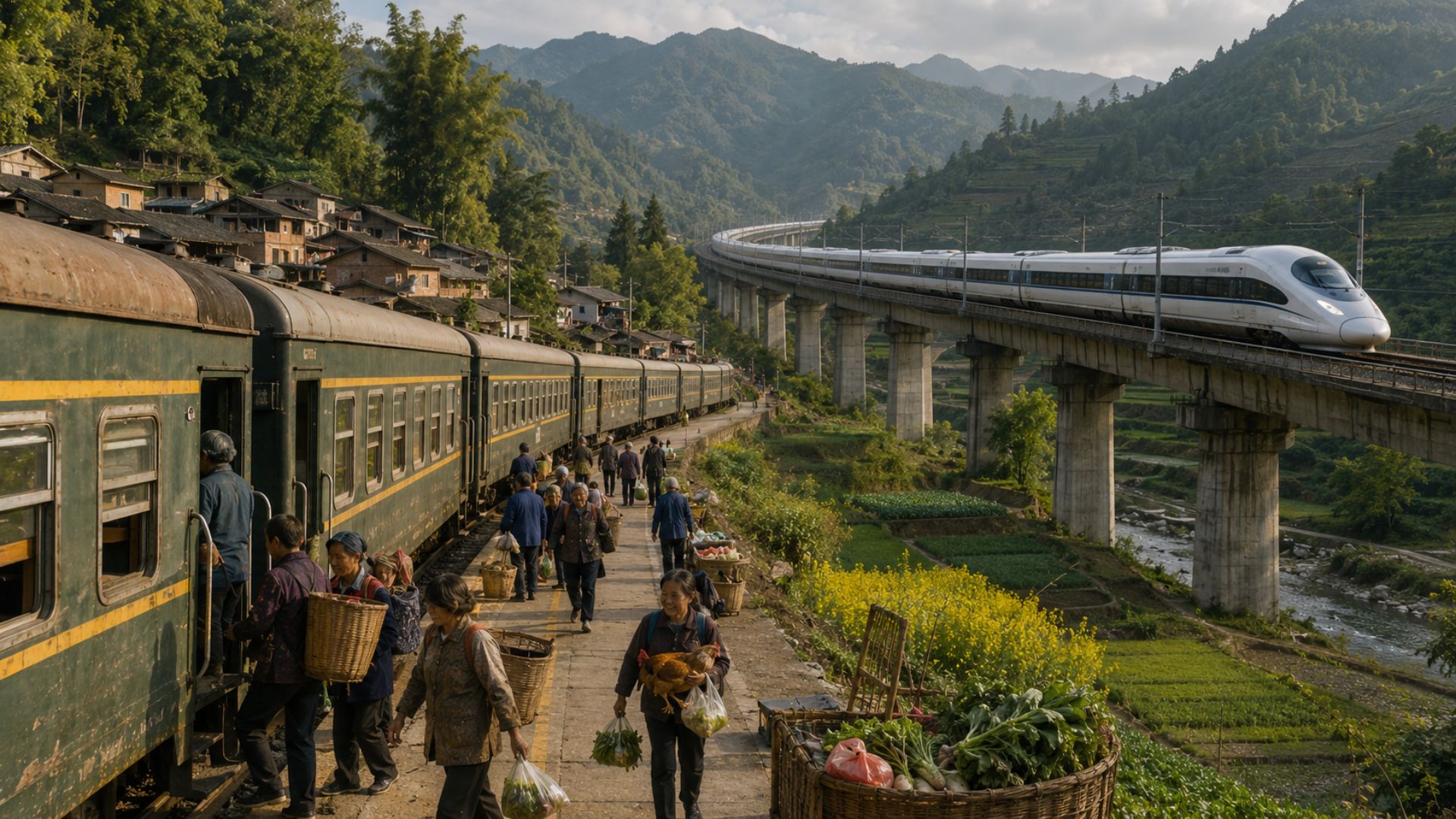
While showcasing bullet trains traveling at over 300 km/h, China maintains about 81 slow train lines that travel at 40 km/h, charge less than R$ 2 for a ticket, and cross remote villages carrying residents, students, and even chickens and vegetables to the market.


The manager states that the company has been postponing the start of necessary works to recover the 18 km stretch between the two cities.
The municipality of Mariana shares the demand for deadlines and concrete actions.
Meanwhile, the ABPF expresses concern about the preservation of the rolling stock that has been inactive since 2020.
The organization, which maintains 10 railway projects in the country, states it has participated in several meetings with the company without receiving a schedule.
“We have held several meetings with Vale, and no forecast for the train’s return has been shared, ” said director Bruno Crivelari Sanches.
He further pointed out the need for care with the locomotive and railcars during the long period of inactivity.
Pressure from Municipalities and Request for a Schedule
In the political sphere, the movement is for the return of the train as a lever for local tourism.
Angelo Oswaldo reported that the president of Vale, Gustavo Pimentel, is expected to meet with the mayors of the region on a date yet to be defined.
In a tone of commitment, the mayor declared: “The municipalities of Mariana and Ouro Preto are ready to contribute to the resumption of the train.”
On the technical side, the municipalities are demanding that the operator present a recovery plan for the line, with phases, deadlines, and safety indicators.
The definition of this roadmap is cited by managers and preservationists as a basic condition to transform the political demand into practical execution.
Operational Reinforcement Necessary for Resumption
The reactivation of the tourist train depends on a package of operational measures. First, a full inspection of the permanent way is required.
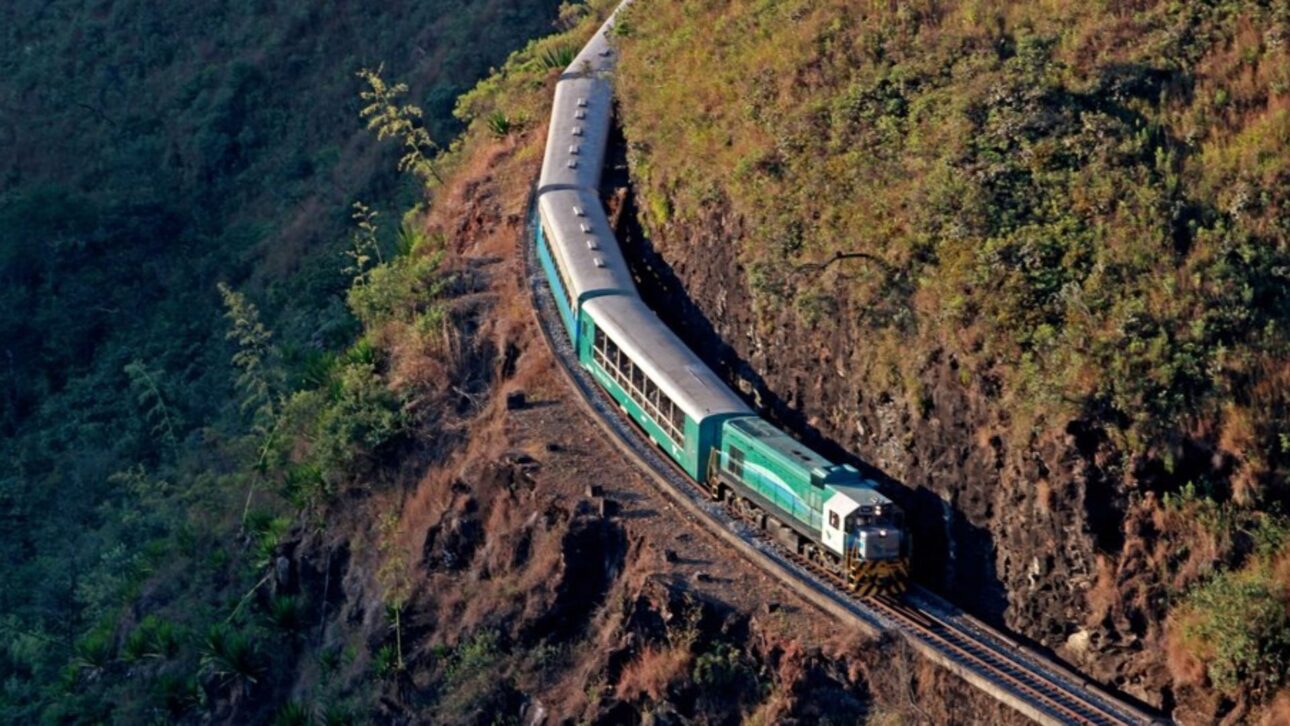
The stretch has tunnels, viaducts, slopes, and tight curves typical of the Minas Gerais mountains, which require geotechnical evaluation, drainage control, and verification of slope stability.
Without certification of these structures, there is no safe release for traffic, even at reduced speed.
In addition to the infrastructure of tracks, sleepers, and ballast, the signaling and communication systems need to be intact and tested.
Tourist trains, although operating with controlled schedules and operations, require minimum redundancies for managing maneuvers, crossings, and emergencies.
With the line stopped for an extended period, it is common practice to check cables, electrical panels, radios, and alarms. Another focus is the maintenance of the rolling stock.
Locomotives and passenger cars, including the panoramic car with 52 seats, must undergo mechanical and comfort inspections.
Brake systems, bogies, bearings, and couplings are critical points after long months without use.
Inside, chairs, flooring, and wooden components need treatment against moisture, pests, and wear.
The ABPF has expressed concern about this preservation and is awaiting conservation measures and functional testing.
Railway Line, Material, and Required Certifications
Once the physical interventions are completed, there is the documentary and regulatory phase.
The company responsible for operations must demonstrate that the line and equipment meet safety standards, with engineering reports, commissioning, and testing records.
In tourist services, updating emergency plans, evacuation simulations, and basic medical protocols in partnership with the municipalities and Civil Defense is also required.
Meanwhile, the operational team needs to be trained and certified.
Locomotive engineers, onboard agents, maintenance staff, and customer service perform specific functions: driving on slopes and in tunnels, passenger orientation, and loading and unloading procedures at historic platforms.
The prolonged interruption requires recycling and realignment of routines.
How Service Was Before Suspension
In the phase prior to the pandemic, the tourist train covered the route of 18 km in about one hour, crossing valleys, tunnels, waterfalls, and rocky cliffs characteristic of Minas Gerais.
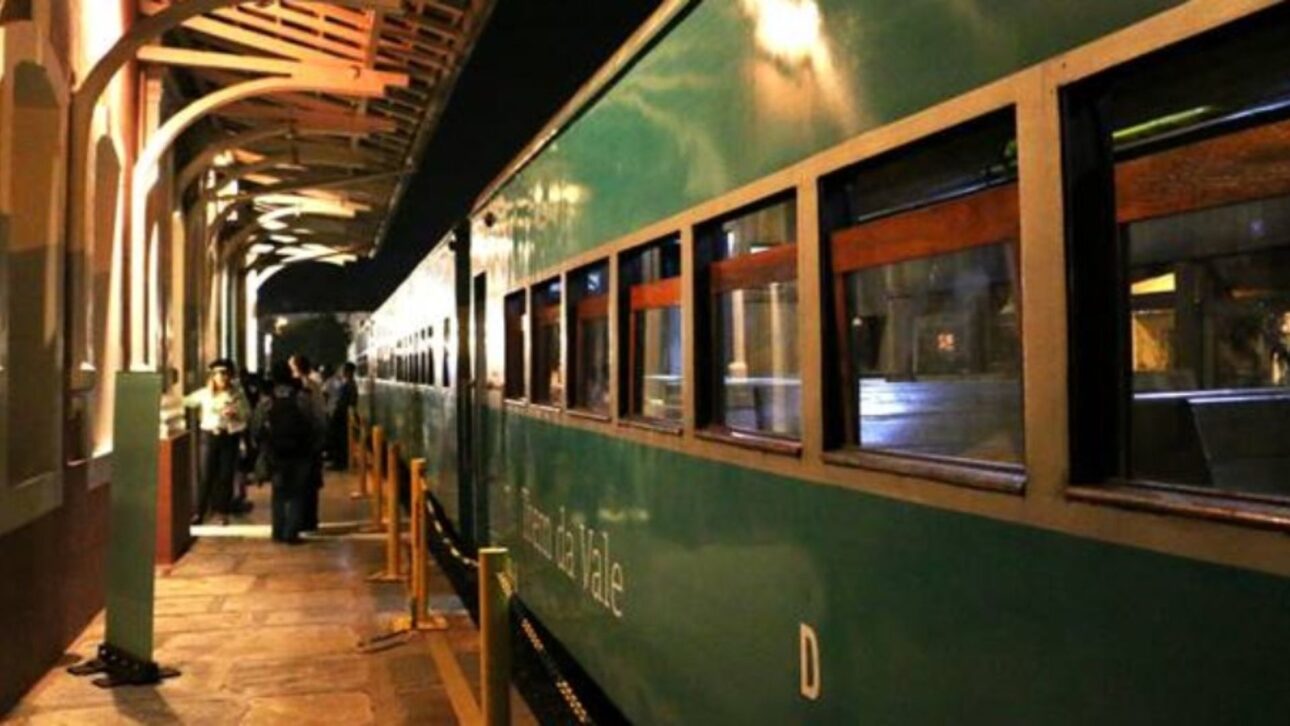
The stations of Ouro Preto and Mariana had been revitalized, enhancing the railway ensemble and the urban surroundings.
The train accommodated up to nearly 300 passengers, comprising 5 conventional cars with 240 seats and one panoramic car with 52 seats and a transparent top to enjoy the scenery.
This ensemble helped tell the railway history of the region and integrated the tourist calendar of the two cities, recognized for their architectural heritage and strong cultural vocation.
According to municipal managers, the loss of the train created a gap in the offering of short-duration and visually appealing rides, typically sought by families and weekend visitors.
What Is Being Negotiated with Vale
According to the mayors’ accounts, Vale has been conducting discussions about resumption but without presenting a defined timeline.
The municipalities want to participate in the planning, including support for urban interventions at the stations and in the surrounding areas.
The potential meeting with the company’s presidency is viewed as a moment to agree on responsibilities, construction timelines, and safety goals.
From the ABPF’s perspective, clarity on who executes what is essential. The association owns the carriages, but depends on the operator to run, maintain the line, and allow for circulation.
While there is no schedule, concern grows that time will work against the preservation of the assets and increase future maintenance costs, both for the line and the rolling stock.

Impacts on Tourism and Local Economy
Without the train, Ouro Preto and Mariana lose an attraction that combined historical experience, contact with nature, and transportation between two tourist hotspots.
Industry agents report that the ride played a complementary role to museums, churches, and mining circuits, distributing visitor flow throughout the day.
In economic terms, the service used to generate consumption in bars, shops, and services close to the stations.
Although no recent data has been disclosed in the analyzed material, municipal managers maintain that the resumption could help increase the average length of stay for tourists and improve sector revenue.
However, for that to happen, operations need to return with predictability, stability, and service standards compatible with the image of the historic cities.






Seria muito bom, fazer um manifesto para estimular mais o turismo ferroviário mineiro, para Sete Lagoas MG e Região metropolitana de Belo Horizonte – RMBH.
Este argumento é realista, não ideológico, e funciona em audiência pública, redes sociais ou conversa com vereador/deputado.
As cidades envolvidas conforme projeto de estudos preliminares do anos de 2013 a 2019, para o planejamento de um novo ramal ferroviário, sem data de construção definida. Todavia, esse projeto aínda não se concretizou. Pela ordem de rota ferroviária, conforme a ordem numérica, essas são as cidades de trajeto, a partir de Sete Lagoas-MG, no vetor norte:
1- Sete Lagoas-MG; 2- Prudente de Moraes MG; 3- Matozinhos MG; 4- Pedro Leopoldo MG; 5- Vespasiano MG; 6- Lagoa Santa MG; 7- Confins MG (Aeroporto); 8- Belo Horizonte MG; 9- Contagem MG (ramal metropolitano); 10- Betim MG (ramal metropolitano). Ou 9- Itaúna MG (ramal turístico); 10- Divinópolis MG (ramal turístico).
Sete Lagoas está:
-Fora da “sombra” imediata de BH
-Próxima de cavernas, lagoas, Serra de Santa Helena.
-Conectada historicamente à ferrovia.
-É ponto natural de início de viagem, não só de passagem.
-Trem turístico faz sentido começar em Sete Lagoas, não em BH.
*Trem turístico:
-Gera empregos diretos e indiretos.
-Movimenta hotelaria, bares, guias, comércio local.
*Diferente do trem metropolitano, que:
-Só “leva gente embora” de manhã
e “traz de volta” à noite
Sete Lagoas ganha mais sendo origem do turismo, não apenas ponto de embarque pendular. Nada impede dois serviços no mesmo trilho:
* Trem Metropolitano:
-Horário de pico.
-Muitas paradas.
-Alta capacidade.
-Sem restaurante.
-Só transporta trabalhadores.
-Depende permanentemente de subsídio público.
*Trem Turístico / Regional:
-Fins de semana.
-Poucas paradas.
-Assentos marcados.
-Carro-restaurante.
-Viagem como experiência.
-Gera empregos locais.
-Fortalece hotéis,bares, comércio e guias.
-Cria receita recorrente.
*Isso já ocorre no Brasil (Vitória–Minas).
* E em vários países.
Um projeto somente urbano:
-Depende sempre de subsídio.
*Um projeto com turismo:
-Gera receita.
-Atrai parceiros privados.
-Reduz custo político.
O turismo ferroviário é o “adoçante” que viabiliza o trem urbano.
“Não somos contra o trem metropolitano.
Mas, Sete Lagoas não pode ser apenas um ponto de passagem de um trem metropolitano.
Ela deve ser ponto de origem de um trem regional e turístico em Minas Gerais.
Defendemos, também, um trem regional e turístico, com conforto, identidade mineira e geração de renda.”
O turismo ferroviário reduz o custo político e financeiro do sistema.
Sete Lagoas está fora do núcleo imediato de BH.
Possui identidade própria, atrativos naturais e posição estratégica no vetor norte.
Historicamente é uma cidade ferroviária.
Cidade de origem faz sentido para turismo; cidade-dormitório, não.
*CARACTERÍSTICAS DAS CIDADES ENVOLVIDAS EM ORDEM DE TRAJETO FERROVIÁRIO:
ITEM 1 — MAPA MENTAL DO TRAJETO
(Trem turístico de Passageiros – cenário técnico plausível).
* EIXO NORTE / VETOR NORTE (origem)
1- Sete Lagoas – MG:
-Ponto inicial natural do sistema.
-Cidade ferroviária histórica.
2- Pedro Leopoldo – MG:
-Ligação ferroviária tradicional.
-Cidade estratégica do vetor norte.
3- Matozinhos – MG:
-Corredor ferroviário contínuo.
4- Prudente de Morais – MG:
-Município intermediário técnico.
5- Vespasiano – MG:
-Alta densidade populacional.
-Forte demanda pendular.
6- Lagoa Santa – MG:
-Polo urbano e turístico.
-Conexão direta com o aeroporto.
7- Confins – MG (Aeroporto Internacional):
-Âncora logística e política do projeto.
*EIXO METROPOLITANO CENTRAL
8- Ribeirão das Neves – MG:
-Grande população.
-Forte demanda por transporte de massa.
9- Belo Horizonte – MG:
-Nó central do sistema.
-Integração com metrô e ônibus.
-Ponto de bifurcação do traçado.
*EIXO SUL / OESTE (após BH)
Opção A – Trem Metropolitano:
10- Contagem – MG:
– Cidade metropolitana intermediária.
11- Betim – MG:
(perfil urbano, deslocamento diário).
Opção B – Trem Regional / Turístico:
10- Itaúna – MG:
11- Divinópolis – MG:
(perfil intermunicipal, menos paradas, mais conforto).
É importante, que exista vontade política pública e privada, com a MENTALIDADE de que o trem é o transporte mais SEGURO, mais barato, sem existência de Pedágios, mais confortável, e econômico, em termos de manutenção, e por apresentar maior volume de cargas, por viagem, ou passageiros, em vista do transporte aéreo e rodoviário. E a existência de parcerias público-privadas, não dependendo tão somente, de um só Governo, com geração de SUBSÍDIOS GOVERNAMENTAIS, para estimular a construção de novas ferrovias; estações de embarques; padronização de bitolas; infraestrutura para acabar com cruzamentos ferroviários e rodoviários; duplicação integral de ferrovias para evitar disputa e atraso nas viagens, entre trens de carga com trens de passageiros; e investimento em trens de luxo, com média velocidade (até 150Km/h), para longas viagens, com restaurantes, toilettes, leito, etc. Outro empecilho é que custo de fabricação de um vagão de passageiro fica muito mais caro, do que o vagão de carga. Sem falar que, o transporte ferroviário impulsiona maior desenvolvimento econômico e social.