






 Portuguese
  Spanish


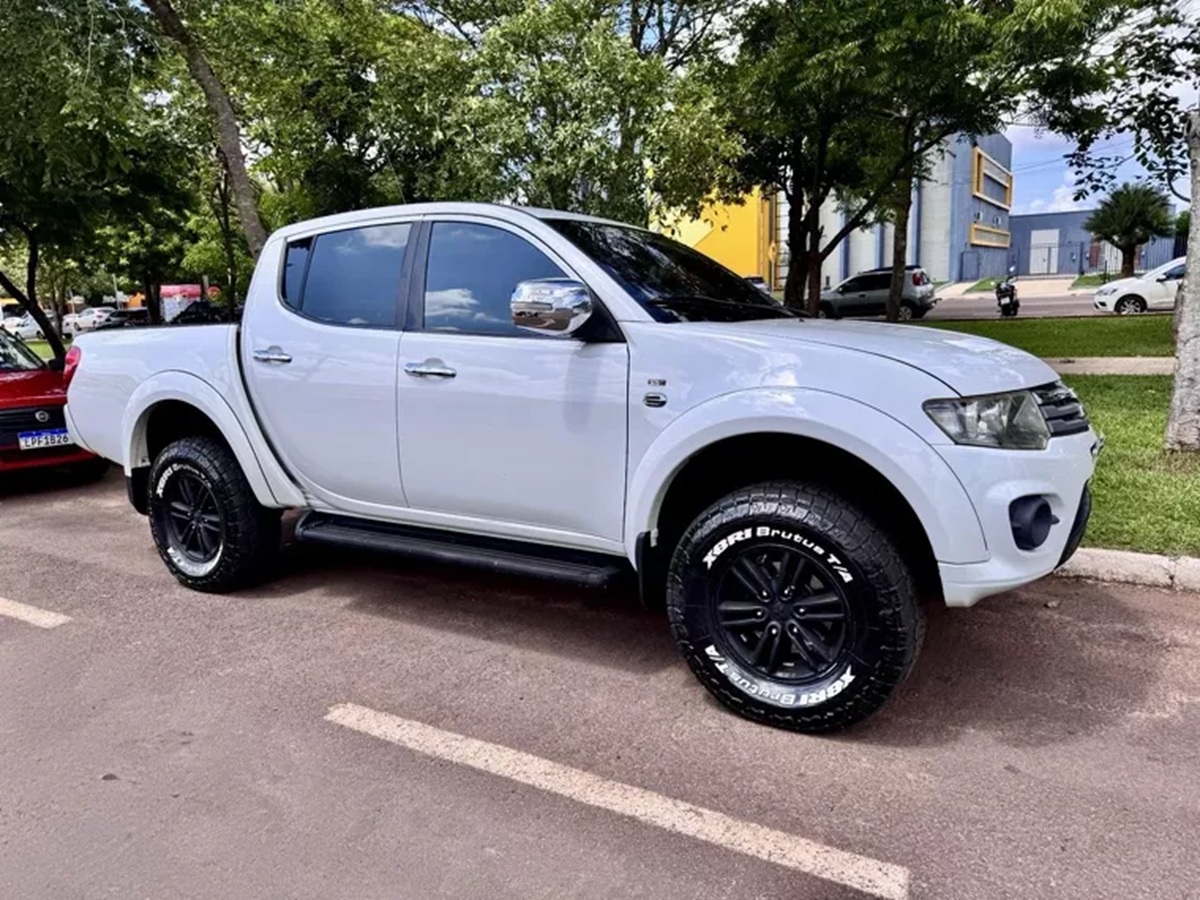


Triton 3.2 Diesel 2015 Maintains Reputation for Robustness and Fuel Efficiency, Winning Owners Who Prefer to Keep the Pickup Instead of Replacing It.
A Mitsubishi L200 Triton is one of the best-known pickups in the market. With a reputation for robustness, competitive pricing, and affordable maintenance, it has carved out a space among consumers seeking strength and practicality.
Additionally, owners highlight the good handling and the feeling of safety when driving on different terrains.
Next, we have gathered the main aspects mentioned by experts and owners of the model, which help explain why the L200 Triton remains a valued choice.
-
New Law Proposal in Brazil Could Heavily Penalize Drivers: Dangerous Overtaking May Become a Serious Offense with Fines Increased Tenfold and a 12-Month License Suspension; Update on 2026 Progress

-
Electric Revolution: Watts W125 Motorcycle Offers 160 km Range, 90 km/h Speed, and Affordable Price Starting at $3,000

-
General Motors Replaces Over a Thousand Workers with 50 Cobots at Electric Vehicle Plant, UAW Union Criticizes Move Amid Industry’s Automation Push
-
Bosch and Nikon 3D Print Entire Aluminum V8 Engine Block, Sparking New Competition in the Automotive Industry


Purchase and Resale Price
The initial value of the Triton is one of its differentiators. It often appears with prices below rivals like Toyota Hilux and Chevrolet S10.
At times, it has even been the cheapest in its category, but it has always maintained a balance between cost and delivery.
The resale price is also noteworthy. The pickup loses little value and finds buyers easily.
Special models, such as the Savana version, are even more sought after. This ensures liquidity and security for those considering a future trade.
Robustness at Work
Another praised point is its resistance. The Triton is considered one of the toughest in the segment. It handles heavy work in rural areas, industrial use, and highways without difficulties.
The load capacity is high, and the traction provides extra strength in demanding situations.
Owners claim that other pickups can deliver, but require more effort, while the Triton handles tough conditions effortlessly.
Fuel Consumption and Maintenance
In terms of fuel consumption, the model surprises. The diesel versions offer a rate considered fair for the engine size and transmission. Although it could be better, it still compensates for the overall balance.
Preventive maintenance is cheap. Many items have costs similar to those of popular cars.
Moreover, since the Triton has maintained the same body style for several years, there is an abundance of parts in the parallel market. This makes replacement simple and prevents the car from being out of commission due to lack of components.
Customization and Accessories
The range of available accessories is vast. There are options for suspension, brakes, lighting, racks, roof tents, and even small finishing details. This offering helps owners customize the pickup without needing to change vehicles.
With the arrival of the version launched in 2008 in Brazil, the design stood out by breaking away from the boxy look of its competitors.
In the following years, Mitsubishi made subtle updates to the grille, headlights, and bumpers, leading up to the more recent generations.
Despite differing tastes, the ease of customization has made the model popular among the public.
Driving Impressions
Owners report that driving a Triton is a different experience. Those migrating from sedans to the pickup quickly feel the change in driving position and the sensation of being above traffic.
The 3.2 turbo diesel engine is described as strong and agile.
The vehicle responds well on highways and tackles bumps and curbs without significant impact. This robustness boosts confidence, especially on dirt roads.
Another point emphasized is its adaptation to national diesel. Owners state that newer pickups experience injection and fuel pump problems.
In contrast, the Triton tolerates lower-quality fuel better, which is common in some regions of Brazil.
Versions and Purchase Considerations
Those seeking a used Triton need to pay attention to its condition. Fully equipped versions, like the HPE, tend to have a lighter usage history, as they were rarely used for heavy work.
Simpler configurations usually faced demanding tasks on farms or in companies. This doesn’t necessarily mean they are bad, but heightened caution is needed before making a purchase.
Corrective maintenance, as with any diesel pickup, is expensive. Therefore, adhering to preventative measures is essential. The public itself emphasizes that taking care of the basics prevents high costs in the future.
The Role of Customization
Many owners choose modifications to make the pickup more imposing. Common adjustments include larger tires, suspension lifts, and the installation of sporty exhausts.
These changes reinforce the robust style of the Triton and please those looking for a vehicle ready for trails. The accessory market, including imports, offers a variety of parts at competitive prices.
The Mitsubishi Triton has established itself as a pickup with solid cost-effectiveness. It combines affordable pricing, low maintenance, a wide supply of parts, and proven robustness.
Additionally, it provides comfort behind the wheel and the capability to handle everything from urban use to work in the fields.
The sum of these factors explains why the model remains a guaranteed presence in the pickup market and continues to be a reliable choice among drivers seeking strength, versatility, and durability.






Design é um diferencial … também.desde 2013