






 Portuguese
  Spanish


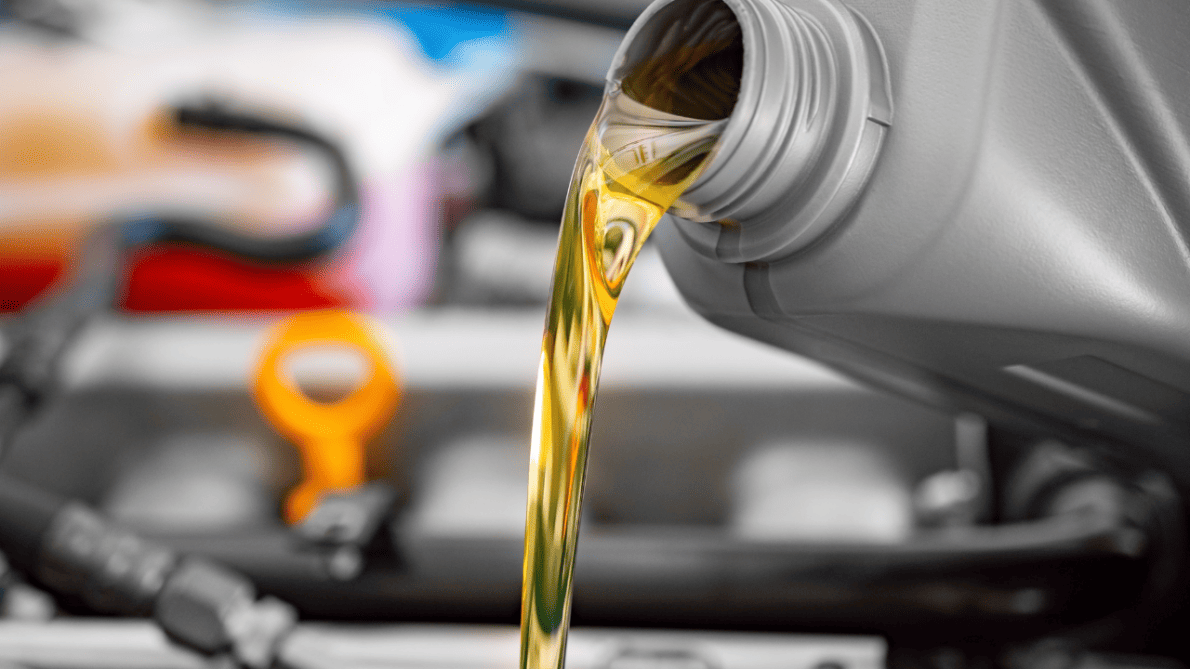

Motorcycle Engine Oil Needs to Be Changed More Frequently Than Car Oil. Know Why and How Oil Changes Ensure the Performance and Safety of Your Vehicle.
Changing the oil is one of the most important steps to ensure the engine’s lifespan, both in motorcycles and cars. However, what many drivers don’t know is that motorcycles require more frequent maintenance.
According to experts from Motul, a French multinational known for automotive lubricants, there are at least three technical reasons that explain this difference, which every motorcyclist should know to avoid engine damage and maintain optimal performance on the streets and highways.
A Single Function, Multiple Responsibilities
Unlike cars, which have separate systems for the engine, transmission, and clutch, most motorcycles use a single oil to lubricate all these components.
-
2027 Toyota Corolla Cross Unveiled: New Design, Enhanced Fuel Efficiency, Reduced Maintenance Costs, Advanced Technology, Connected Services, and Up to 10-Year Warranty

-
Fiat Cronos Precision 2018: Affordable Sedan with Spacious Trunk and Reliable Maintenance
-
Volkswagen to Cut Production by 1 Million Cars by 2030, Reducing Jobs and Platforms, Focusing on More Profitable Models

-
Toyota Launches First 100% Electric Car in Brazil: bZ4X with 343 HP, All-Wheel Drive, 361 km Range, Priced at $419,990 BRL, Limited to 99 Units




This characteristic requires the lubricant to have a highly specific and versatile formulation.
The result? The oil wears out more quickly, as it accumulates multiple functions in a smaller volume.
Cooling: Air vs. Fluid
Another determining factor is the cooling system. In cars, engine cooling is done with fluid, helping to maintain a more stable temperature.
Motorcycles, especially urban and popular models, still use forced air cooling, creating greater thermal variation, particularly on hot days or in traffic jams.
This thermal instability forces the oil to work at higher temperatures, reducing its lifespan.
High RPMs and Smaller Engines
Motorcycles also have compact engines that operate at much higher RPMs than cars.
This intense operation increases mechanical stress and requires the oil to withstand greater shear loads, which accelerates its degradation.
In addition, the total oil volume in a motorcycle is usually significantly smaller, making the need for changes even more urgent.
Oil Change: How to Take Better Care of Your Engine
To keep your motorcycle in good condition, always follow the manufacturer’s manual recommendations. The interval between oil changes can vary depending on the model and usage conditions.
In extreme situations, such as heavy traffic and high temperatures, the change may need to be advanced.
Choosing the right lubricant is also crucial.
“Lubricants for cars and motorcycles perform vital functions, from reducing friction to sealing critical spaces,” explains Rafael Recio, product manager at Motul.
“When it’s time for an oil change, it’s essential to observe quality standards, such as base oil technology, viscosity grade, and certifications like API and JASO.”
Safety and Performance on the Road
Changing the oil at the right time is not just a matter of performance—it’s also a safety measure.
A well-lubricated engine prevents mechanical failures and ensures smoother, more reliable riding.
Whether on a motorcycle or in a car, paying attention to lubricant is a simple step that makes all the difference in a driver’s daily life.
Myths and Truths About Oil Change







