Portuguese
  Spanish


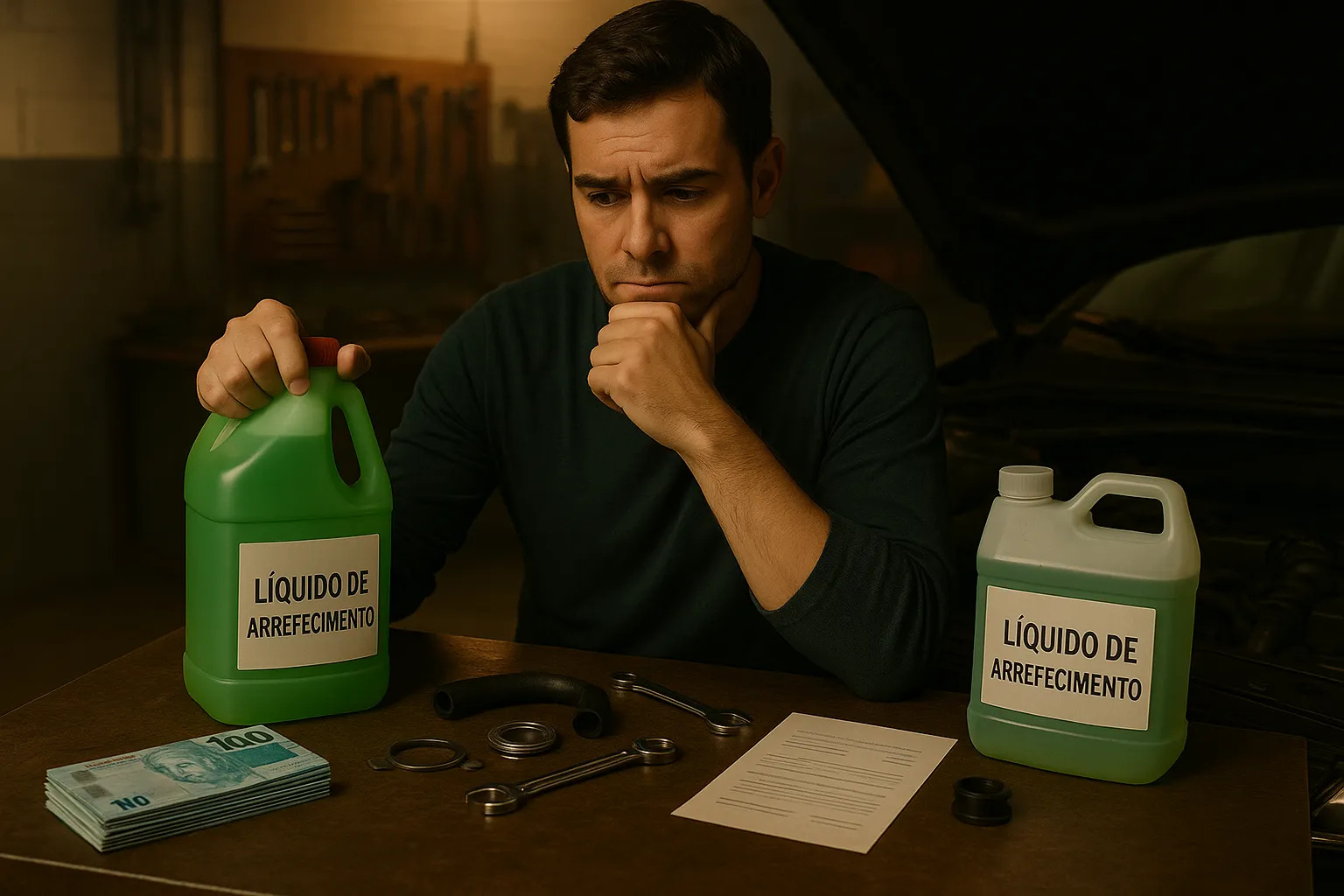

Have you ever imagined losing almost R$ 10,000 on a engine repair simply for not spending R$ 120 on a preventive coolant change? It sounds exaggerated, but this is the reality for many drivers who neglect one of the most basic maintenance tasks. Coolant, which many still confuse with “water in the radiator,” is the true silent hero that ensures the heart of the car — the engine — runs at the right temperature.
Coolant: The Maintenance That Saves Engines
Coolant functions to absorb heat from the engine and transfer it to the radiator, preventing internal components from reaching critical temperatures. Unlike water, it contains anti-corrosive and anti-boil additives that prevent both overheating and premature wear of components.
According to DENATRAN, overheating issues are among the leading causes of breakdowns on Brazilian roads. Meanwhile, the Brazilian Automotive Engineering Association (AEA) emphasizes that the lack of preventive maintenance on the cooling system is one of the factors that drive up repair costs, which can exceed R$ 8,000 for popular car engines.
-
2027 Toyota Corolla Cross Unveiled: New Design, Enhanced Fuel Efficiency, Reduced Maintenance Costs, Advanced Technology, Connected Services, and Up to 10-Year Warranty

-
Fiat Cronos Precision 2018: Affordable Sedan with Spacious Trunk and Reliable Maintenance
-
Volkswagen to Cut Production by 1 Million Cars by 2030, Reducing Jobs and Platforms, Focusing on More Profitable Models

-
Toyota Launches First 100% Electric Car in Brazil: bZ4X with 343 HP, All-Wheel Drive, 361 km Range, Priced at $419,990 BRL, Limited to 99 Units




The point is simple: a preventive coolant change costs, on average, R$ 120 at specialized shops. In contrast, a complete overhaul of an overheated engine can easily exceed R$ 10,000, especially for mid-size sedans and SUVs.
Why Isn’t It Enough to Just Add Water?
Many drivers still believe that simply topping off the reservoir with tap water is sufficient. This habit is one of the greatest enemies of the engine. Water contains minerals that cause corrosion and deposits within the system, compromising the operation of the water pump, hoses, and even the radiator.
A survey by Fiat showed that nearly 60% of water pump failures in compact models were linked to the improper use of water in the cooling system. In contrast, vehicles that follow the maintenance plan correctly show up to 40% greater system durability.
In practice, this means a simple “shortcut” can shorten the engine’s lifespan and lead to significant financial losses.
Ideal Change Interval
Each manufacturer recommends specific intervals for replacing the coolant, but on average, the change should be made every 2 years or 30,000 kilometers. Additionally, it’s important to observe the color: if the fluid is cloudy, dark, or has residue, this indicates a loss of chemical properties and a risk of system failures.
Chevrolet, for example, recommends a visual inspection at every scheduled service, while Volkswagen warns that using coolant outside of specifications can even void the vehicle’s warranty. In other countries, such as the United States, the National Highway Traffic Safety Administration (NHTSA) emphasizes that neglecting the cooling system is one of the most common causes of serious failures on high-speed roads.
Financial Impact of Prevention
Putting it on paper makes everything even clearer. Preventive coolant change costs around R$ 120, including labor and quality products. On the other hand, repairs in case of overheating involve replacing gaskets, cylinder head reconditioning, water pump replacement, hoses, and, in extreme cases, even a complete engine replacement. This raises costs to amounts ranging from R$ 6,000 to R$ 10,000, depending on the model.
And it’s not just the wallet that suffers. The car can be out of commission for weeks, disrupting the driver’s routine and even generating extra costs for alternative transportation.
Warnings That Should Not Be Ignored
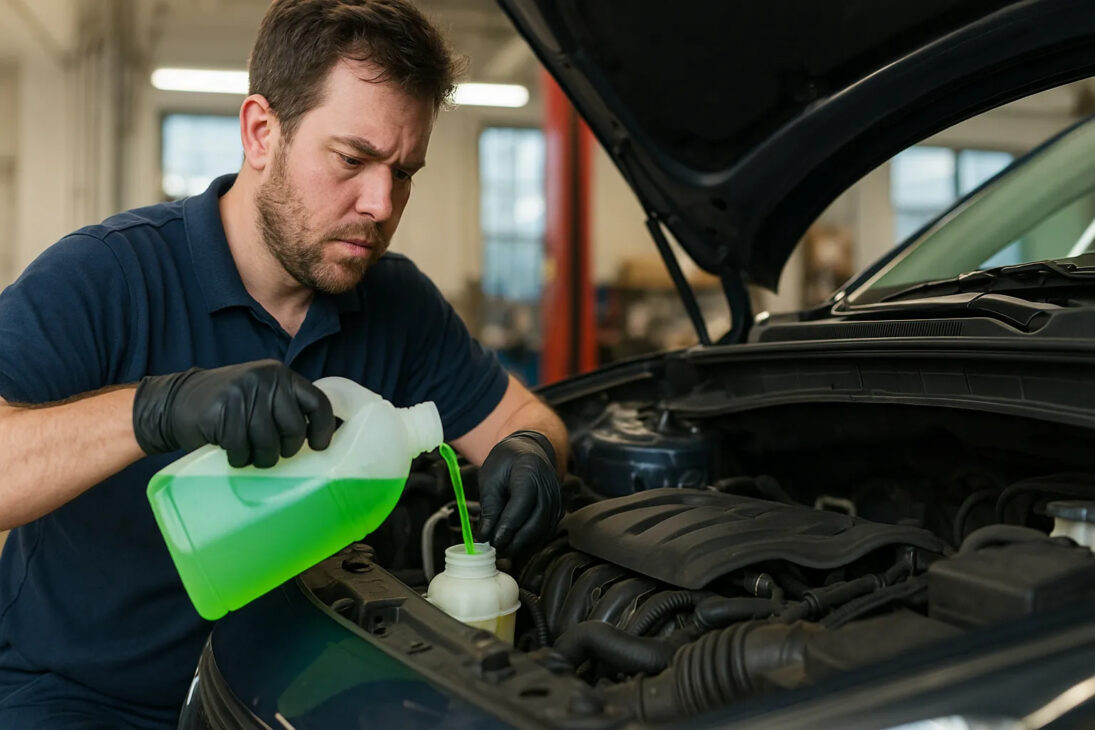
In addition to respecting the replacement deadline, it is essential to pay attention to signs that the system may already be compromised:
- Engine temperature rising faster than normal;
- Presence of colored fluid stains on the garage floor;
- Reservoir frequently below the minimum level;
- Metallic noises coming from the engine after short trips.
Ignoring these signs opens the door to overheating. In many cases, damage can occur in a matter of minutes — just getting stuck in traffic with the system failing can compromise the entire engine.
The Weight of the Right Habit
Taking care of the coolant does not require advanced technical knowledge but rather discipline and responsibility. A driver who understands the importance of this maintenance sees the car not as an expense, but as a long-term investment. It’s the difference between having a reliable machine on the road or carrying the anxiety that, at any moment, a breakdown could cost thousands of reais.
In the end, spending R$ 120 today buys peace of mind for many kilometers of travel.