Portuguese
  Spanish


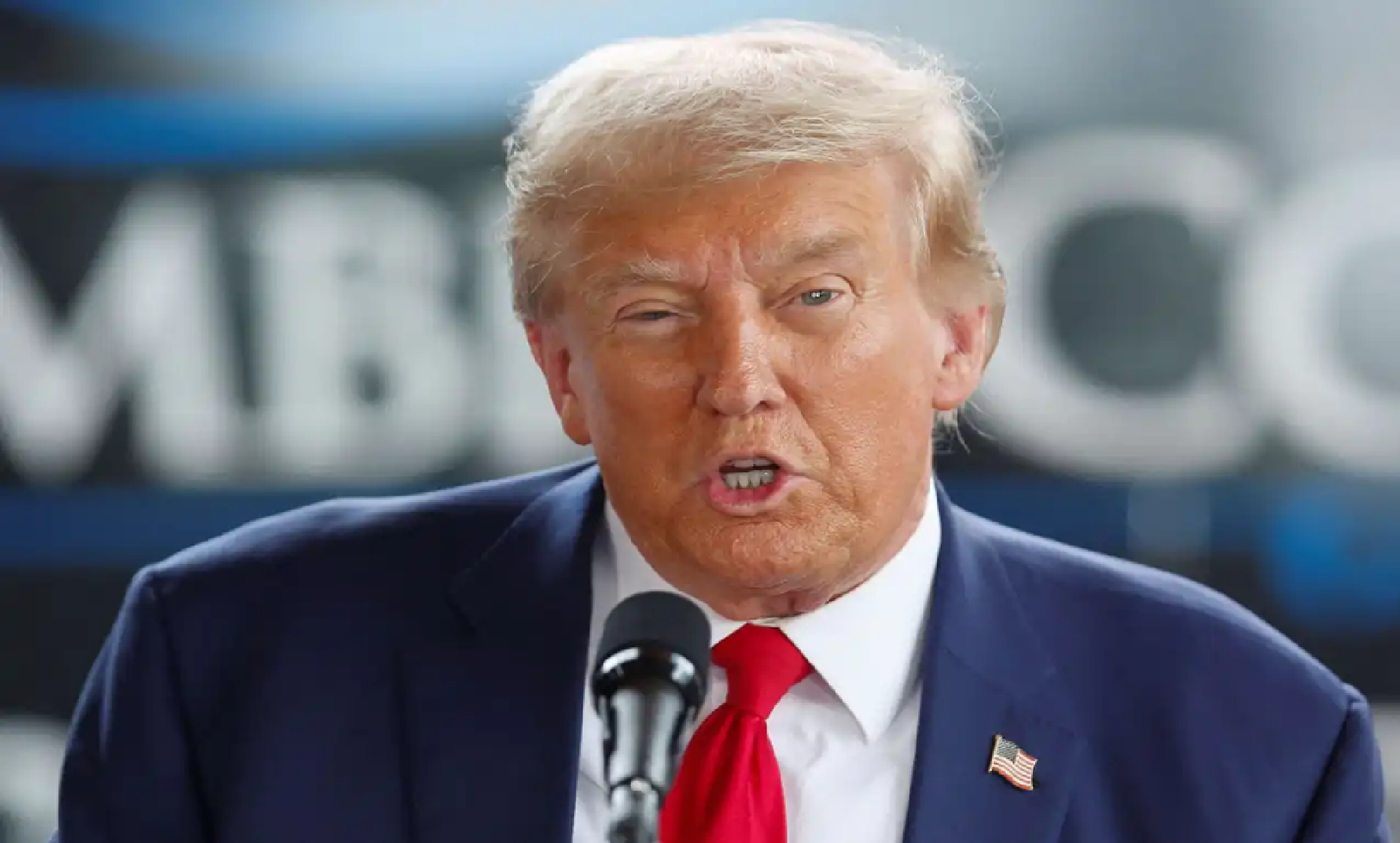

To Reduce Dependence on China, the US Government Looks to Pentagon Bases to Accelerate the Production of Metals Essential to National Security
President Donald Trump outlined a new plan to strengthen the supply chain of the United States: installing critical minerals refineries within Pentagon military bases.
The goal is clear — reduce Chinese dependence and ensure autonomy in essential materials for fighters, submarines, high-tech weapons, and ammunition, according to MSN.
Most of these metals, such as rare earths and other strategic minerals, are currently processed in China, which represents a significant geopolitical vulnerability for the US.
-
Entrepreneur Sells Car to Launch Healthy Meal Business, Now Runs Mr. Fit with 880 Stores in 3 Countries and $40 Million Annual Revenue

-
End of an Era: Renault Plans Major Overhaul, Cutting Jobs to Compete with Chinese Rivals and Transform Engineering by 2027
-
Brazil’s Largest Grain Port Faces Delays in the Hinterlands, Missing Rail Link Costs Agribusiness Billions

-
Egg Prices Drop Due to Weak Demand as Poultry Producers Increase Purchasing Power


What Is at Stake?
Mineral refineries will be installed in already existing military bases, eliminating the need for controversial land purchases. Additionally, the project prioritizes the streamlining of environmental regulations, making the process more agile and efficient.


Another strategy is the utilization of waste from US mines, accelerating production without needing new resources. Trump’s mineral plan also avoids the creation of federal stockpiles and does not impose requirements such as the “Buy American” clause, ensuring greater flexibility in execution.
Challenges Ahead for the US
Despite Trump’s bold proposal, there are significant obstacles to be faced by the US, primarily related to strict environmental laws, industrial sector concerns, and the bureaucracies surrounding the use of US military land. So far, it is still unclear how the Trump administration intends to navigate these hurdles and make the project feasible.