






 Portuguese
  Spanish
  5 min of reading
  0 comments


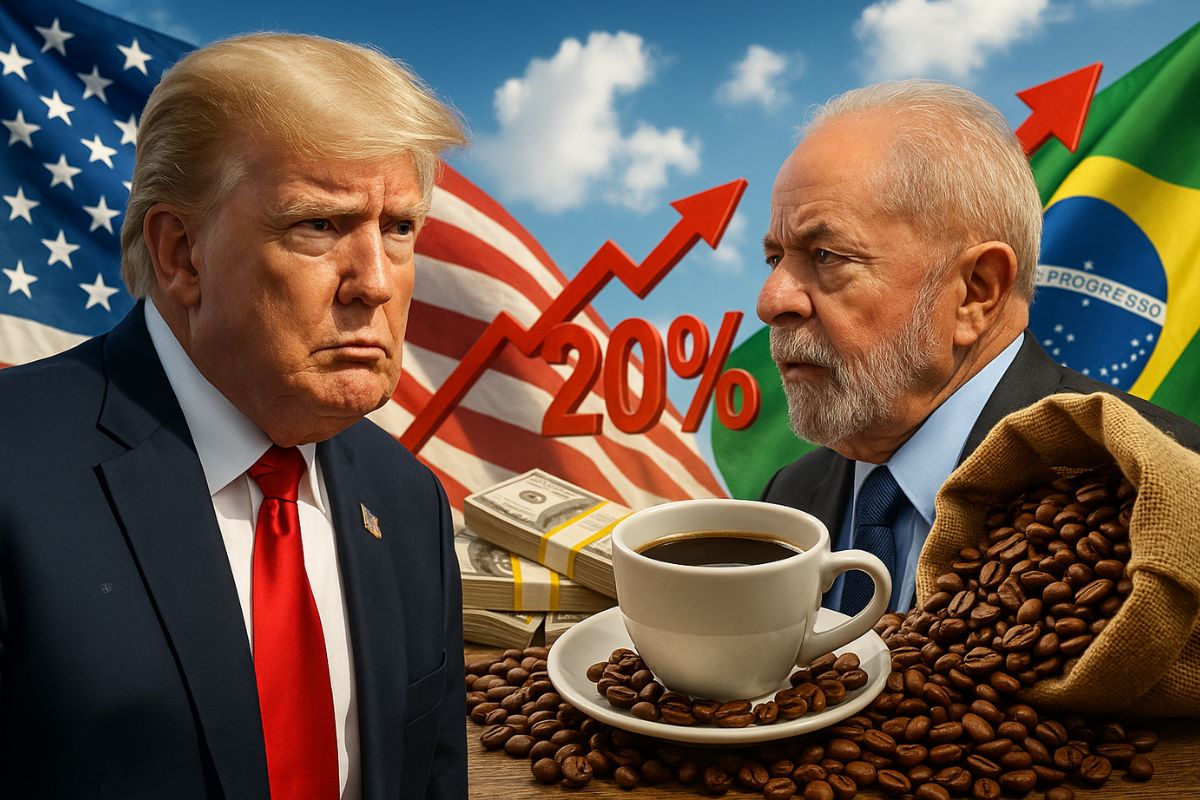
During Conversation With Lula, Donald Trump Admitted That The U.S. Is “Missing” Brazilian Coffee, The Main Product Affected By The 50% Tariff On Brazilian Exports; The Measure Made The Price Of The Drink Soar By Up To 20% And Threatens Bilateral Trade Between The Two Countries
The Brazilian coffee took center stage in the first direct conversation between Donald Trump and Luiz Inácio Lula da Silva since the Republican returned to the White House. Trump acknowledged that Americans “miss” the national product, the main victim of the 50% tariff imposed by his administration on Brazilian exports.
The increase in tariffs is already weighing on consumers in the United States: the price of coffee rose nearly 21% in a year, according to data from the U.S. government, the largest jump since 1997. The measure reinforces the global impact of Trump’s trade policy and places coffee, a symbol of Brazilian culture, as a key piece in a billion-dollar economic dispute.
Brazilian Coffee And The Impact Of The 50% Tariff
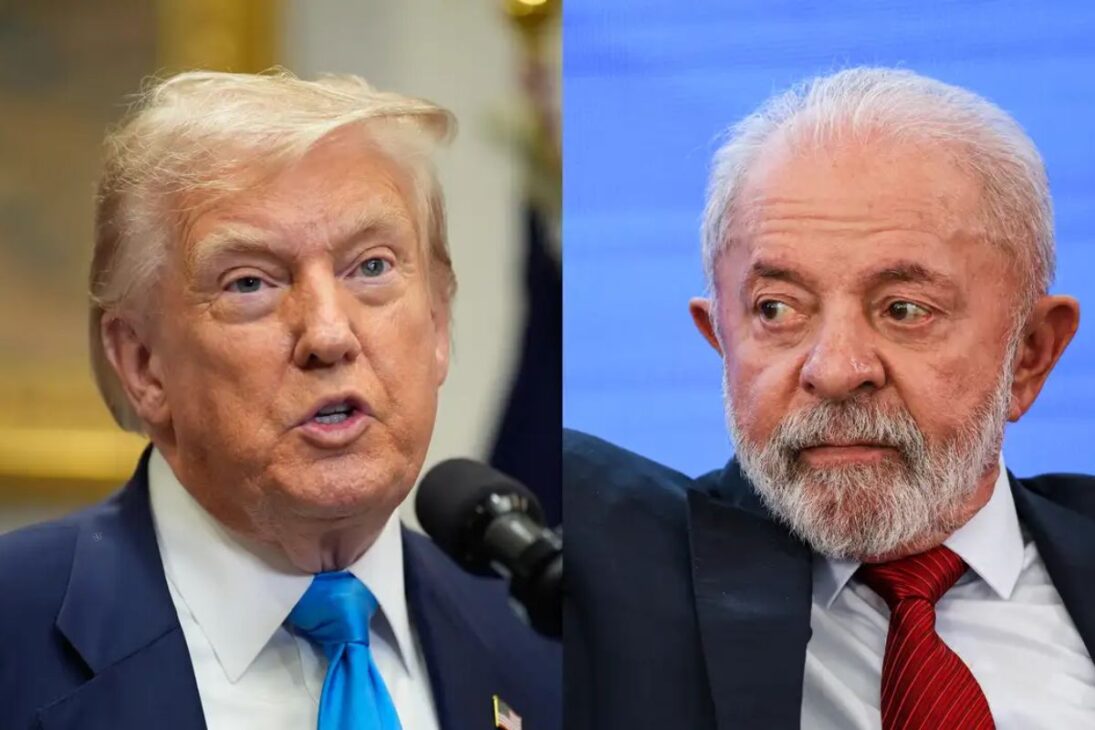
The 50% tariff on Brazilian products hit coffee hard, responsible for one-third of American consumption.
-
Brazilian Joins Homeownership Consortium, Faces Decade of Dual Payments Totaling $141,000, Surpassing Traditional Mortgage

-
Land Rover to Halt Production in July, Putting 371 Jobs at Risk, as Chinese Automaker Negotiates to Convert Factory to 100,000 Vehicles Annually by 2027

-
Mexican Pest Threatens U.S. Cattle Herds at Historic Lows, Potentially Boosting Brazilian Beef Exports as Burger Prices Soar

-
Brazilian Freight Bill Progresses in Congress with $5,000 Minimum Wage, 70% Advance Payment, and Fines Up to $1 Million, as Agriculture and Industry Warn of Rising Costs and Legal Uncertainty


According to official data, Brazilian coffee exports to the U.S. fell 47% in volume and 31.5% in value last month.
Total revenue amounted to US$ 113.8 million, one of the lowest in recent years.
Meanwhile, Americans have started paying more for their daily coffee. In August, the first month of the tariff, prices rose 3.6%, nine times more than the country’s overall inflation.
On a year-over-year basis, the increase reaches 20.9%, according to the U.S. Bureau of Labor Statistics.
Trump And Lula Reopen Economic Dialogue
In a 30-minute phone conversation, Trump and Lula discussed measures to rebalance bilateral trade and negotiate the end of U.S. sanctions against Brazilian products and authorities.
The meeting marks a new moment in the relationship between the two countries, which have been trading barbs since the imposition of tariffs.
According to Brazilian government sources, Trump stated that he “liked the conversation” and appointed Secretary of State Marco Rubio to lead negotiations with Vice President Geraldo Alckmin and Ministers Mauro Vieira (Foreign Relations) and Fernando Haddad (Finance).
Lula, for his part, reinforced the invitation for Trump to attend the COP30 in Belém and proposed an in-person meeting at the ASEAN Summit in Malaysia.
The Impact Of Coffee On Trade Relations
Brazil is the largest coffee exporter in the world, and the United States is its main buyer. The beverage is not grown on a large scale in American territory due to the climate and depends on imports from tropical countries.
Only small areas in Hawaii, Puerto Rico, and Southern California produce the bean, which is insufficient to meet the internal demand of 450 million cups per day.
The scarcity caused by the tariffs has created political and economic pressure in the U.S., as coffee is an essential item in the daily routine of two-thirds of the American adult population.
The consumption of the beverage grew 7% since 2020, and gourmet coffee consumption increased by 18%, according to the National Coffee Association of the U.S.
Exports Plummet And Trade Balance Worsens
With the tariff blockade, bilateral trade between Brazil and the U.S. has turned into a deficit for the Brazilian side.
In September, total exports to the U.S. fell 20.3%, while imports rose 14.3%. The result was a deficit of US$ 1.77 billion, the largest in years.
The drop in sales of coffee, ethanol, and automobiles was decisive for the decline.
At the same time, Washington increased its purchase of industrial and technological goods, escalating Brazil’s dependence on high-value-added products.
The overall trade surplus of Brazil fell 41% in the month, to just US$ 3 billion.
The Political Strategy Behind The Tariff
Analysts believe that the 50% tariff is part of Trump’s strategy to protect American producers and pressure emerging countries in strategic sectors.
In the case of Brazil, the Republican aims to open access to critical minerals such as lithium and rare earths, essential for the U.S. technological and military industries.
Diplomatic sources claim that Trump could use the reduction of the tariff on Brazilian coffee as leverage in future negotiations about natural resources and intellectual property.
The act of publicly admitting that the U.S. “misses” Brazilian coffee is seen as a sign of openness to a broader trade agreement.
The Symbolism Of Coffee In Brazil–U.S. Relations
The Brazilian coffee has always had political weight in relations with Washington. Since the post-war period, the product has helped consolidate commercial and cultural ties between the two countries.
The current crisis, caused by the tariff increase, reignites a historic debate about dependency, sovereignty, and agricultural competitiveness.
Experts highlight that the episode may strengthen Brazil’s position in upcoming rounds of negotiations, especially if Lula can align the defense of national industry with the need for commercial stability for agribusiness.
The New Diplomacy Of Coffee
In a good-humored comment about the phone call, Trump said that “at least the UN served some purpose“, referring to the brief meeting between the two during the United Nations General Assembly.
Lula responded that the dialogue was an “opportunity to restore 201 years of friendly relations between the largest democracies in the West.”
The “diplomatic coffee” may become a symbol of a more pragmatic resumption between the governments.
According to interlocutors from both sides, discussions are progressing towards the creation of a sectoral free trade agreement that includes beverages, biofuels, and agricultural products.
The Brazilian coffee has become more than a commodity: it has become a barometer of foreign policy and the direct impact of the 50% tariff on the American pocket.
What do you think, do you believe that Trump should reduce tariffs to alleviate coffee prices or that Brazil needs to respond with equivalent measures? Share your opinion in the comments, we want to know how you see the future of this dispute that started with a simple cup of coffee.





Be the first to react!