Portuguese
  Spanish


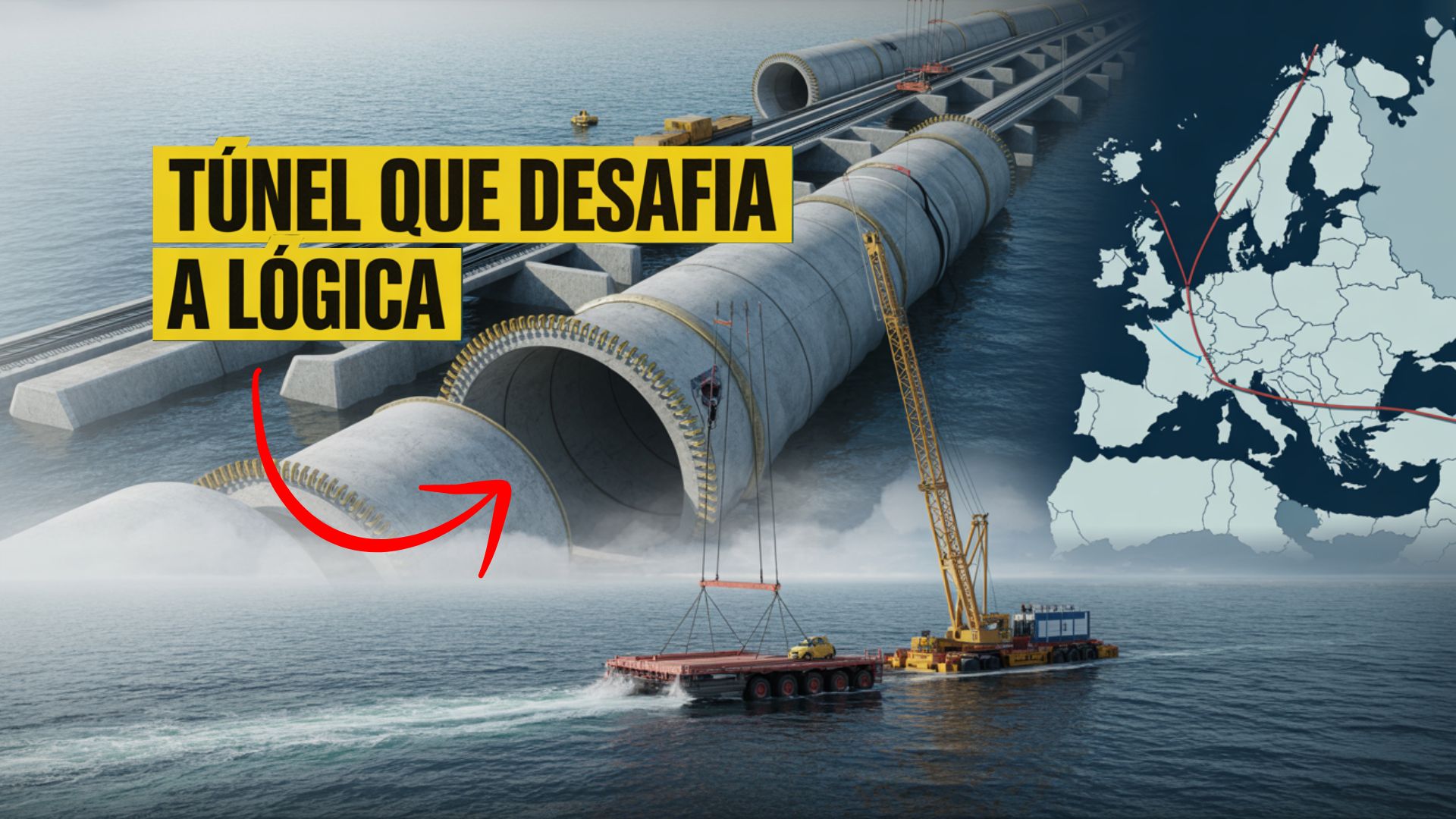


Mega Project Between Denmark and Germany Uses Prefabricated Modular Technology to Create the World’s Largest Underwater Tunnel and Promises to Drastically Reduce Travel Time Between the Two Countries.
One of the largest infrastructure projects in Europe is underway in the Baltic Sea and promises to change transportation between Denmark and Germany.
The Fehmarnbelt Fixed Link, approximately 18 kilometers long with completion expected in 2029, uses the immersed tunnel technique formed by prefabricated modules.
The construction, budgeted at € 7.4 billion (about R$ 41 billion), will be the largest underwater tunnel in the world of this type, according to the companies responsible.
-
At 17, she hand-painted her first watercolor design for school uniforms; her brand grew without investors, sold 135,000 pieces, and aims for $3 million in revenue by 2026.

-
Shell Discovers Intact Early 19th-Century Wooden Shipwreck in the Gulf of Mexico at Over 1,300 Meters Deep
-
Brazilian Entrepreneur Turns Door-to-Door Jewelry Sales into a Family Business Empire with Over 70 Stores

-
$75 Million Bridge in Brazil Opens to Connect Cities, Create Jobs, and Cut Travel Time from 30 to 2 Minutes; Spanning 1.24 km, It’s Among the Country’s Largest and Ends Decades of Ferry Queues.




What Will Be Delivered Upon Completion
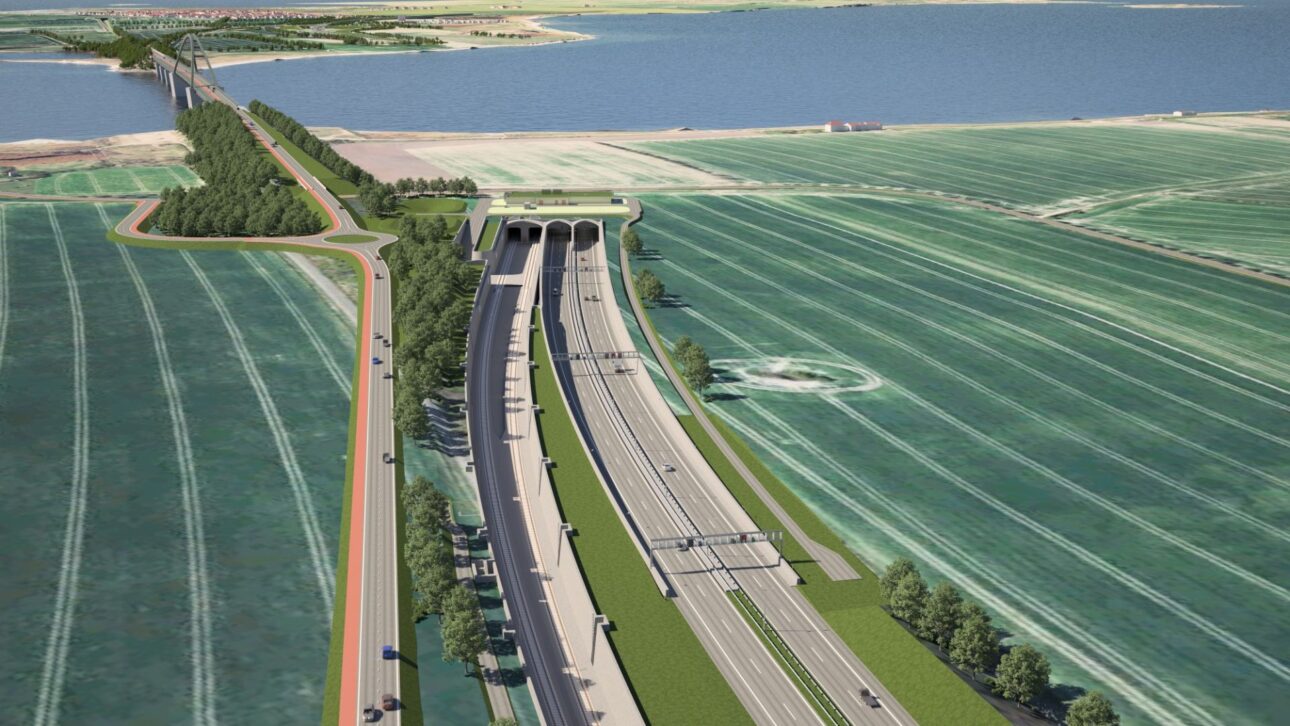
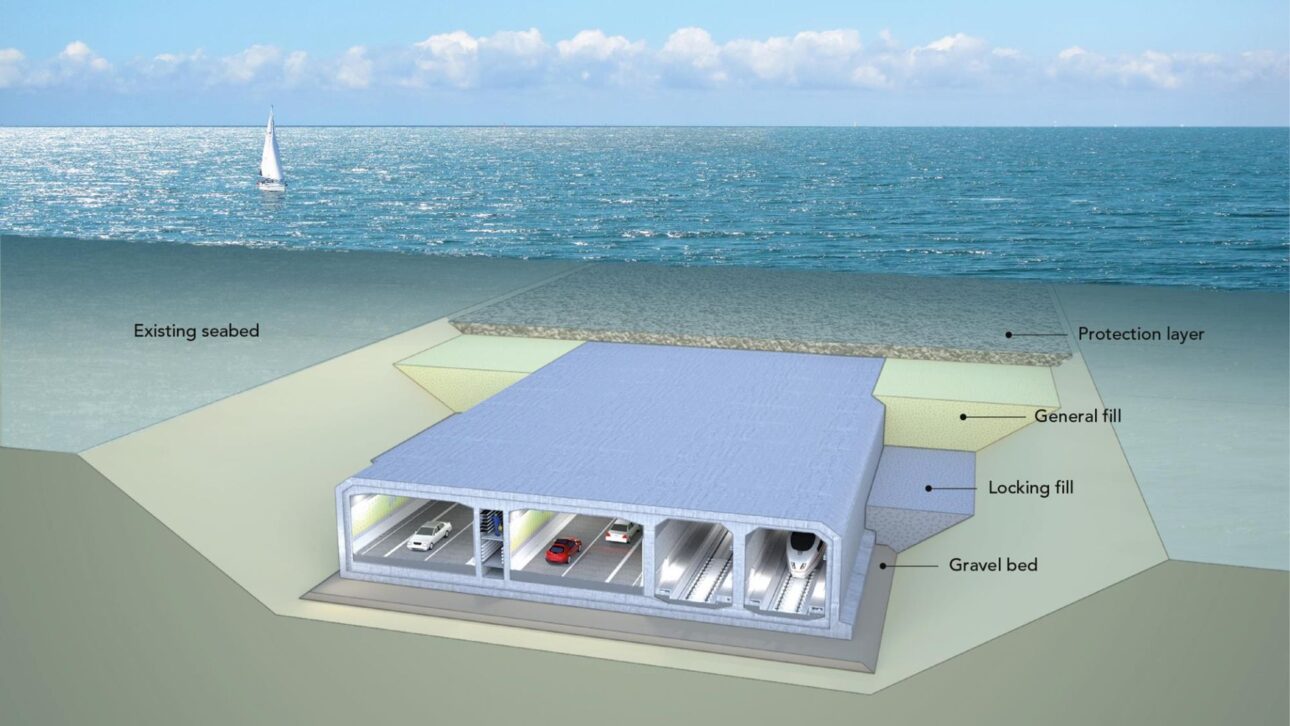
The tunnel will feature two dual carriageways and two electrified railway lines.
When operational, the crossing between Rødby, Denmark, and Puttgarden, Germany — currently done by ferry — will take about seven minutes by train and ten minutes by car, according to the operator Femern A/S.
The structure has also been designed for freight transport, integrating the Scandinavian-Mediterranean corridor of the trans-European network.
Immersion Technique and Section Assembly
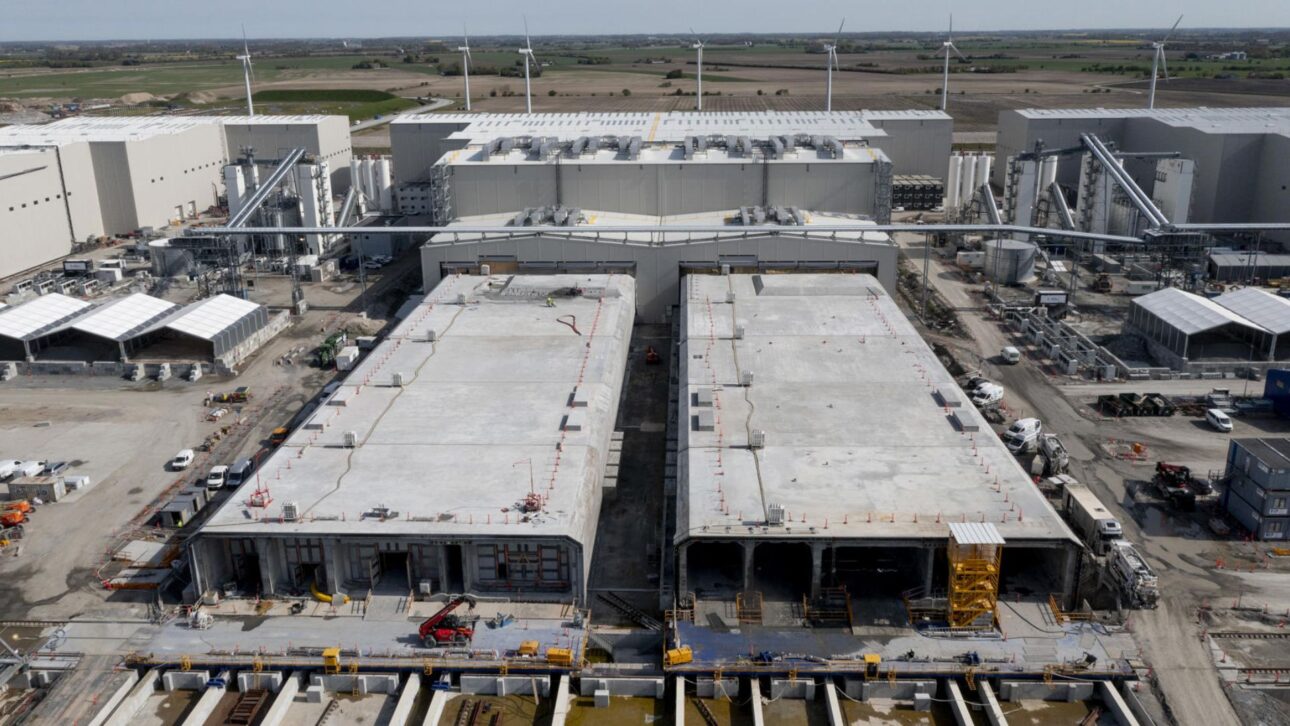
Unlike excavated tunnels, the Fehmarnbelt will be formed by precast concrete elements, constructed on land and submerged on the seabed.
Each module is towed to the work area, positioned, and connected through watertight joints.
The process occurs inside a trench dredged on the seabed and is subsequently covered with layers of protection.
According to project engineers, this technique was chosen to reduce geological risks and accelerate the timeline, as the Baltic Strait has moderate depth.
The Pieces of the Underwater “Puzzle”
The standard modules are 217 meters long, 42 meters wide, and 9 meters high, weighing approximately 73.5 thousand tons.
There will be 79 standard sections and 10 special ones, which will house technical areas and maintenance systems.
After the blocks are joined, the tunnel will form a continuous structure for trains and vehicles.
Production and Installation in the Baltic Sea
Manufacturing takes place at a shipyard specifically built in Denmark, capable of producing multiple elements simultaneously.
Each module is sealed, towed, and positioned on site by barges and precision cranes.
The fitting requires millimeter adjustments before the compartment is emptied, creating the vacuum that unites the sections.
The entire installation process is expected to take about three years, according to the official schedule.
Faster Travel and Safety Systems
Upon completion, trains will be able to travel at up to 200 km/h, significantly reducing travel time between the two countries.
The two traffic lanes in each direction are also expected to alleviate reliance on ferries, which face interruptions due to weather conditions, according to Danish authorities.
The tunnel will have redundant ventilation systems, evacuation routes, fire sensors, and continuous monitoring, in addition to a dedicated service tube for emergencies.
Logistical and Economic Impact
Logistical impact studies indicate that the Fehmarnbelt will reduce transport routes between Hamburg and Copenhagen by approximately 160 kilometers, representing time gains and fuel savings.
Mobility experts believe that the new link could improve integration between Scandinavia and Central Europe, facilitating the flow of goods and passengers.
Environmental Measures and Compensation
According to Femern A/S, the project was licensed with specific environmental conditions approved by authorities in Denmark and Germany.
Compensatory measures include the creation of about 300 hectares of new recreational and conservation areas near Rødbyhavn and the reconstruction of stone reefs in the Baltic Sea, particularly in the Sagas Bank area, with approximately 42.5 hectares.
These actions aim to restore marine habitats affected by previous works and promote the recovery of local ecosystems.
Environmental monitoring will be maintained throughout the construction phase and after the project becomes operational.
Deadlines, Financing, and Management
The project is being executed by the Danish state company Femern A/S, under the supervision of the Danish Ministry of Transport.
Financing occurs through state-guaranteed loans, which will be paid back in the future with tolls and railway fees.
Construction began in 2021, and the expected completion date remains in mid-2029, according to the latest official report.
The estimated cost of € 7.4 billion does not include additional access works in German territory, which are locally funded.
A Milestone in Engineering, According to Experts
Engineers and transport authorities classify the Fehmarnbelt as a milestone in the application of immersed tunnel technique.
The structure, laid about 40 meters below the surface, will be the longest in the world built using this method.
According to infrastructure experts, the combination of serial production, quality control in the factory, and high-precision maritime logistics allows for reduced timelines and operational risks.
The model was also considered a safer and less vulnerable alternative to weather conditions than large-span bridges over the Baltic.
What Changes for Passengers and Transporters
Currently, the ferry trip between Rødby and Puttgarden takes about 45 minutes, not including waiting and boarding time.
With the new tunnel, the total travel time is expected to drop to less than a quarter of that time, increasing predictability for drivers and logistics operators.
Industry authorities state that the Fehmarnbelt could become an essential link between the industrial hubs of Northern Europe and the main centers of the European Union.
Which other points on the European map could benefit from similar projects to integrate economies and reduce distances?