Portuguese
  Spanish



20-Million-Year-Old Whale Fossil Weighing About 1 Ton Excavated in Ocean Grove, Australia, After Accidental Discovery by Tourist and Mobilization of 20 Specialists for Removal Operation
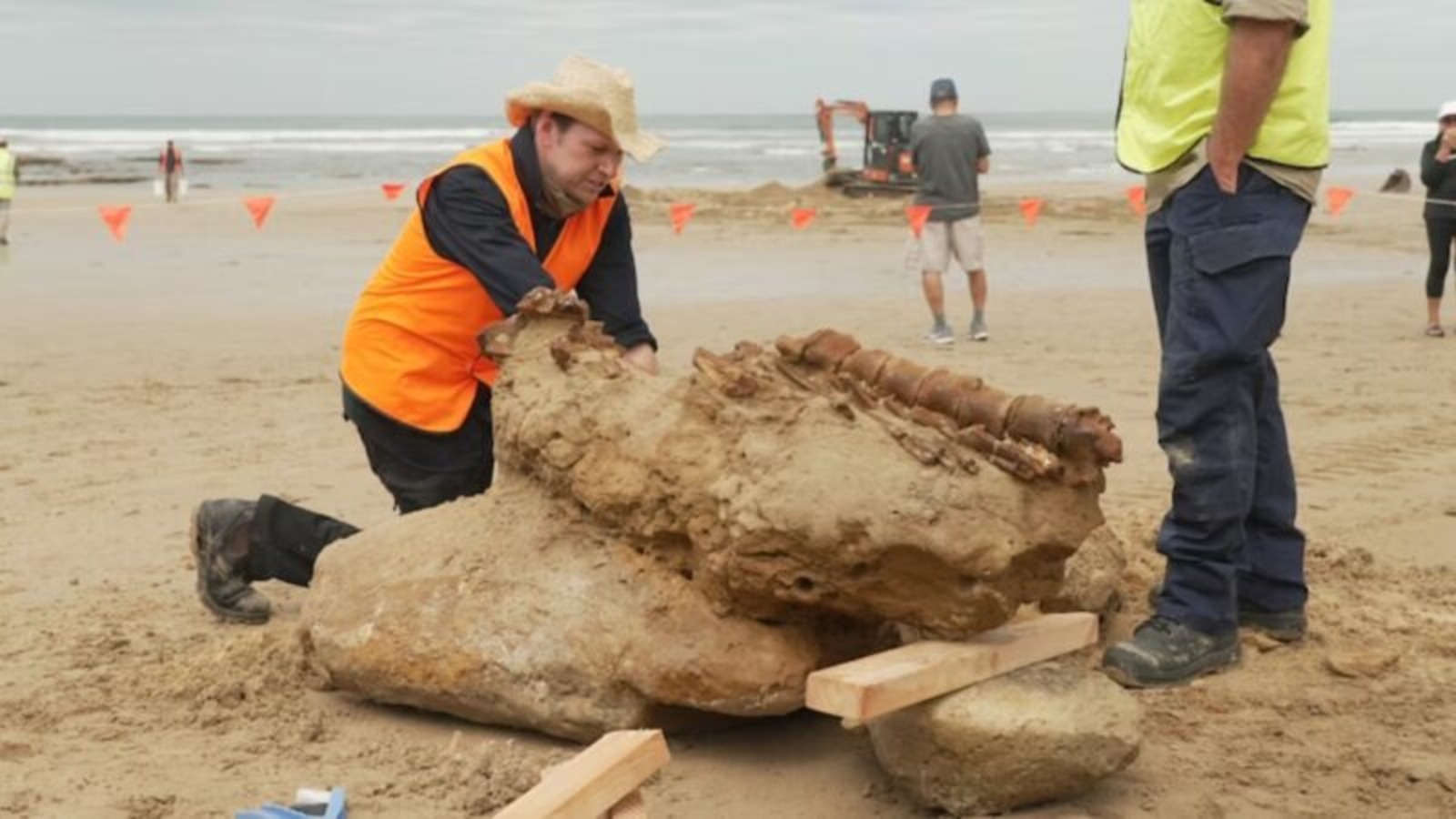
An ancient whale fossil estimated to be around 20 million years old and weighing about one ton was retrieved from Ocean Grove beach in Victoria, Australia, after an accidental discovery by a tourist in December. The excavation mobilized specialists and heavy machinery due to the scientific significance of the find.
Accidental Discovery of the Whale Fossil on the Australian Beach
The whale fossil was stumbled upon by tourist Kristina Davidson, a resident of Queensland, while she was walking along the sandy stretch of Ocean Grove beach last December.
During her walk, she noticed an unusual bone structure emerging from the sand’s surface. Realizing that the material did not resemble common marine debris, she decided to report her find to Museums Victoria.
-
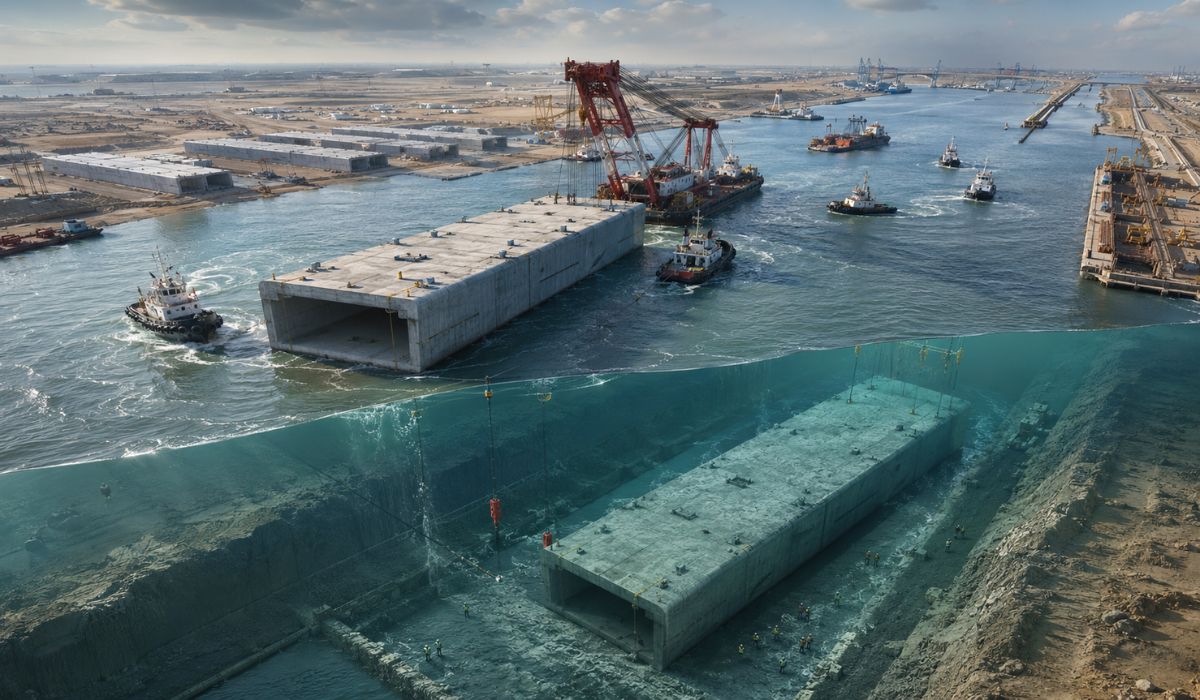
Iraq floats and sinks under an arm of the Euphrates 10 giant concrete boxes of 46,000 tons and 125 meters each to assemble a 2.4 km submerged tunnel and open a new land route between Asia and Europe.

-
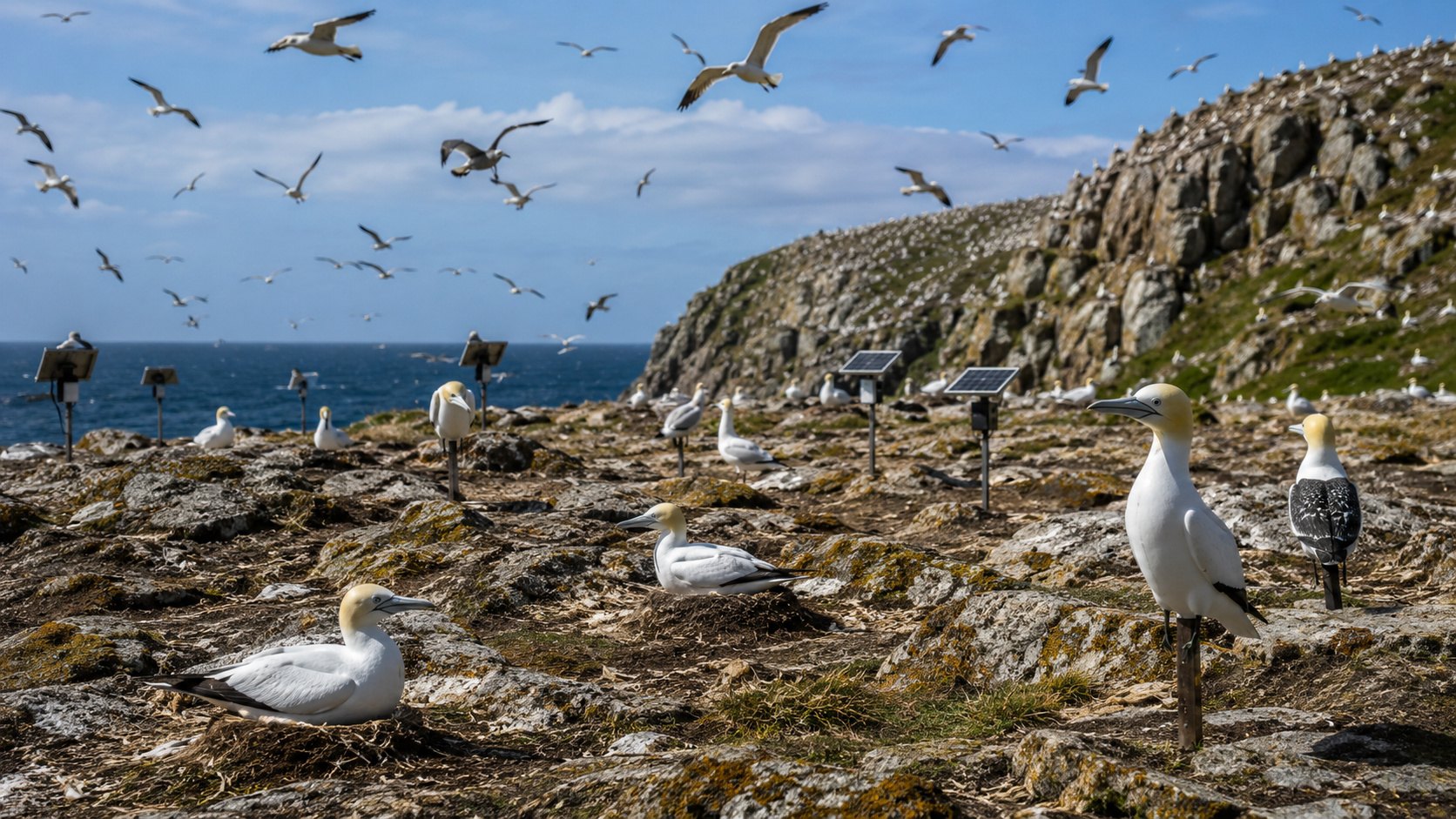
Scientists use more than 20,000 artificial birds and solar speakers to “trick” seabirds, reactivate nesting routes, and revive a colony on an island that seemed abandoned.

-
She spent 73 years breathing inside an iron lung, survived the aftereffects of polio, and became the last woman in the United States dependent on the equipment before dying at 78 years old.
-
Brazilian students created a $1 filter using pine bark, cotton, and 3D-printed parts to clean cassava wastewater, reduce the toxicity of a hazardous waste, and transform contaminated water into biofertilizer.


According to a report made to the local press, Davidson stated that she practically tripped over the structure. She clearly identified parts of the vertebrae and ribs visible on the surface, which immediately caught her attention.
Operation Mobilized About 20 Specialists
The removal of the whale fossil required a complex logistical operation. Approximately 20 specialists from Museums Victoria and the Barwon Coast environmental agency were directly involved in the excavation and retrieval work.
The operation also utilized heavy machinery to ensure that the remains were removed without compromising the structural integrity of the fossilized material.
After the removal was completed, the whale remains were transported to the Melbourne Museum. There, the material will undergo cleaning and detailed scientific analysis.
Condition of Preservation Impresses Researchers
According to senior paleontologist Dr. Erich Fitzgerald, responsible for the initial assessment, the whale fossil represents one of the most significant discoveries recorded in his career.
The most unusual aspect of the skeleton is the level of preservation. Several bones remain articulated, maintaining their original anatomical position, something considered rare in fossils dated from such ancient periods.
This level of preservation allowed researchers to quickly identify important characteristics of the species.
Evidence Points to Primitive Toothed Whale
A small tooth visible in the main structure provided critical clues to researchers. This feature indicates that the animal belonged to a primitive group of toothed whales.
These whales were already using echolocation to navigate and hunt in the ancient oceans.
Studies indicate that the whale fossil dates back to a period between 21 and 23 million years ago. This timeframe corresponds to a phase marked by significant climate and oceanic changes on the planet.
For researchers, the material can help fill important gaps in the evolutionary timeline of whales, often referred to by scientists as the “lost years” of marine biology history.
Thus, the whale fossil found in Ocean Grove has the potential to enhance the understanding of the evolution of these marine mammals and the environmental transformations that occurred in the oceans millions of years ago.
With information from Aventuras na História.