






 Portuguese
  Spanish


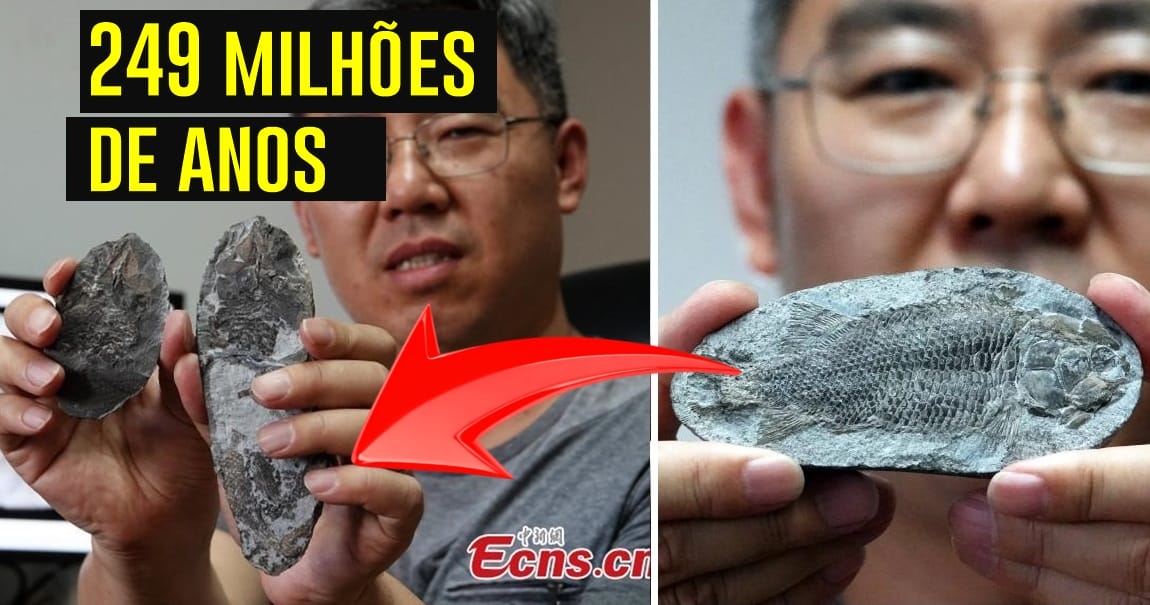

A Fossil Fish With Notched Teeth, Around 249 Million Years Old, Was Found by Chinese Scientists. Understand the Importance of This Discovery for the Understanding of Prehistoric Fauna and Its Evolution!
A recent paleontological study in China revealed a fascinating discovery: a new species of fossil fish with notched teeth, named Triassus Wu.
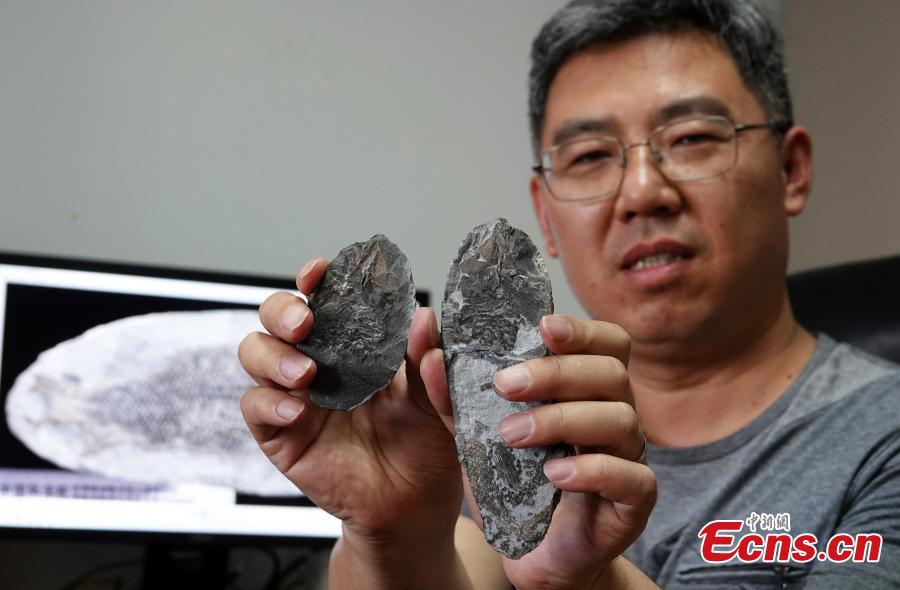
This discovery was led by researcher Xu Guanghui from the Institute of Paleontology and Paleoanthropology of Vertebrates of the Chinese Academy of Sciences, and marks an important milestone in the study of fish evolution.
Xu Guanghui’s team conducted an expedition on the border between Jiangsu and Anhui provinces, in an area housing rock formations approximately 249 million years old.
-
China Develops Custom 140-Ton Electric Mining Truck with 770 kWh Swappable Battery, Deploys 290 Units in Xinjiang’s Largest Zinc Mine

-
Meta to Launch Arena, a New Prediction App Targeting 3.56 Billion Users, Competing with Polymarket and Kalshi

-
Scientist Challenges Famous Human Evolution Theory, Argues Homo Sapiens Evolved Gradually Over Thousands of Years
-
15-Year-Old American Builds Ocean Generator with PVC Pipe and 3D-Printed Propeller for $12, Wins National Prize, Presents at White House, and Makes Forbes 30 Under 30 List




During this exploration, six fossils were found preserved in limestone nodules, a common phenomenon in oceanic formations from the Mesozoic period. These fossils belong to a small marine carnivorous fish, measuring about 11 centimeters long, that lived in the oceans of the Early Triassic.
Characteristics of the Fish Fossil Triassus Wu
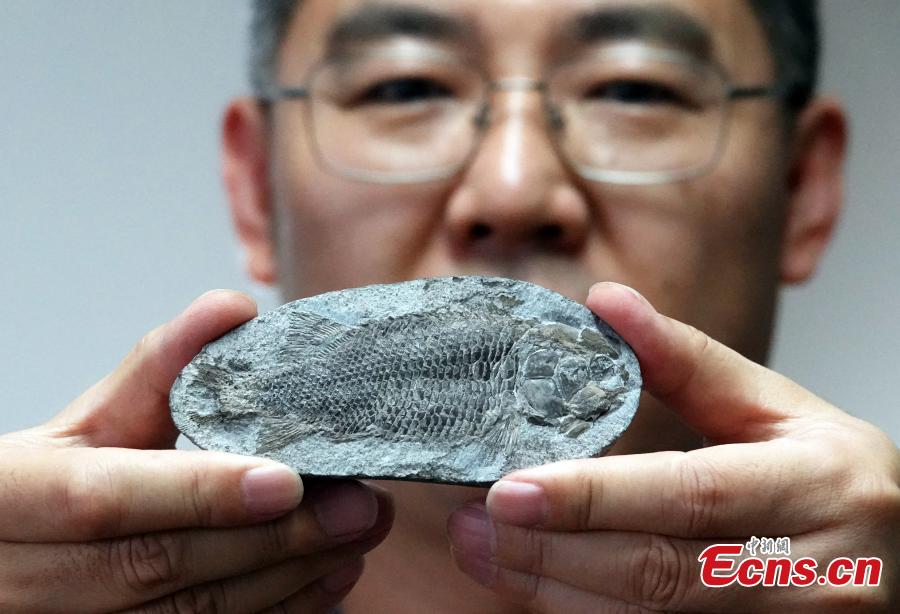
The Triassus Wu is classified as a member of the Schistodontidae family, a group of fish that inhabited the Paleo-Tethys ocean during the Triassic period. The study revealed that this new species shares several characteristics with other species of the genus Triassus, such as the presence of a beak-like bone and smooth scales.
However, the Triassus Wu is distinguished from other members of its family by the unique arrangement of its bones and the number of rows of scales present on its body.
Additionally, the Triassus Wu differs from species found in locations such as Guizhou and Madagascar, with these other species previously identified as Triassus eleganti and Triassus from Madagascar.
The discovery of the Triassus Wu represents a new piece in the puzzle of fish evolution, providing a more detailed insight into how these marine organisms evolved over millions of years.
Scientific Importance of the Discovery
The fossils found and studied by Xu Guanghui’s team shed new light on the classification of fish from the Schistodontidae family.
The paleontological study revised some previous classifications, suggesting that species previously identified in Jiangsu actually belong to the same group of fish already discovered in the Yangtze.
This revision of classifications demonstrates the ongoing importance of paleontology in correcting and refining the understanding of species evolution.
One of the most significant conclusions of the research was the redefinition of the phylogenetic relationship between Schistodontidae and other groups of finned fish. This new analysis abandoned the idea that the Verrucodontidae group, previously classified within the Schistodontidae order, belongs to that same branch, establishing a new order for the group.
International Collaboration
This research was conducted in collaboration with various academic institutions and museums in China, including the Chinese University of Geosciences and the Zhejiang Natural Museum. The study was recently published in the academic journal Acta Vertebrate Paleontology, significantly contributing to the field of vertebrate paleontology.
The scientists involved hope this discovery will lead to new research and a deeper understanding of the evolution of fish and other forms of marine life from the Triassic period.
Impact on the Study of Marine Evolution
The discovery of the Triassus Wu is especially relevant because the Early Triassic was a time of great transformation for life on Earth, particularly in the oceans.
After the mass extinction of the Permian, the largest extinction event ever recorded, marine ecosystems began to reorganize and give rise to new species.
The Schistodontidae, including the Triassus Wu, represent a lineage of fish that adapted to these new environments, providing valuable insights into how marine life evolved after this global catastrophe.
With this new information, researchers have more tools to understand the dynamics of ancient ecosystems and how they influenced the biological diversity we observe today in the oceans.
The study of fish fossils like the Triassus Wu not only teaches us about the past but also helps us understand the challenges that current species may face due to climate and environmental changes.







Boa e interessante a sua matéria. Realmente foi uma descoberta importante.
Adorei conhecer seu blog, tem muito artigos bem interessantes.anydesk
Por favor, aprenda a escrever nomes científicos. Mesmo se não entender, é só copiar como está no artigo original! Não entendo qual a dificuldade de fazer seu trabalho.