






 Portuguese
  Spanish
  4 min of reading
  0 comments


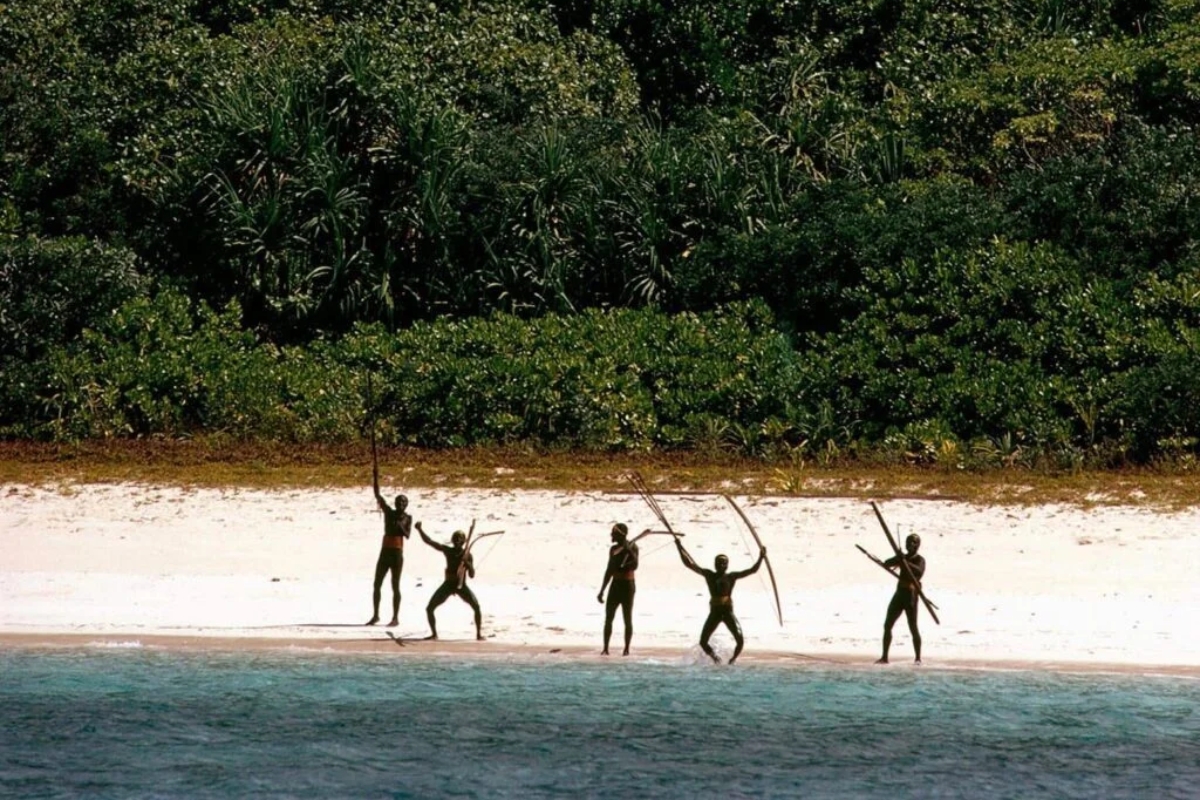
The 60 To 70 Sq Km Island In Andaman And Nicobar Protects The Sentineleses With Strict Surveillance And Official Non-Contact Policy
North Sentinel Island remains closed to visitors and surrounded by strict protection rules. The area is patrolled to prevent boats from getting too close.
The impact is direct: the ban reduces invasions and lowers the risk of diseases for an extremely vulnerable group. BBC, an international broadcaster, gathered information about the isolation and risks of contact.
North Sentinel is located in the Indian archipelago of Andaman and Nicobar in the Bay of Bengal. The practical rule is to keep a distance and not attempt interaction.
-
Federal Police involved in the case to identify the person responsible for hacking the Civil Defense system, which sent ten false alerts, frightened residents of different capitals, and turned messages about real risks into notifications with “misanthropy” and even alien attacks.

-
Extreme drought causes ghost village to reappear at the bottom of the reservoir that supplies Athens, revealing houses, a school, and ruins swallowed since the 1980s as the lake shrinks and exposes the water crisis threatening the capital of Greece.

-
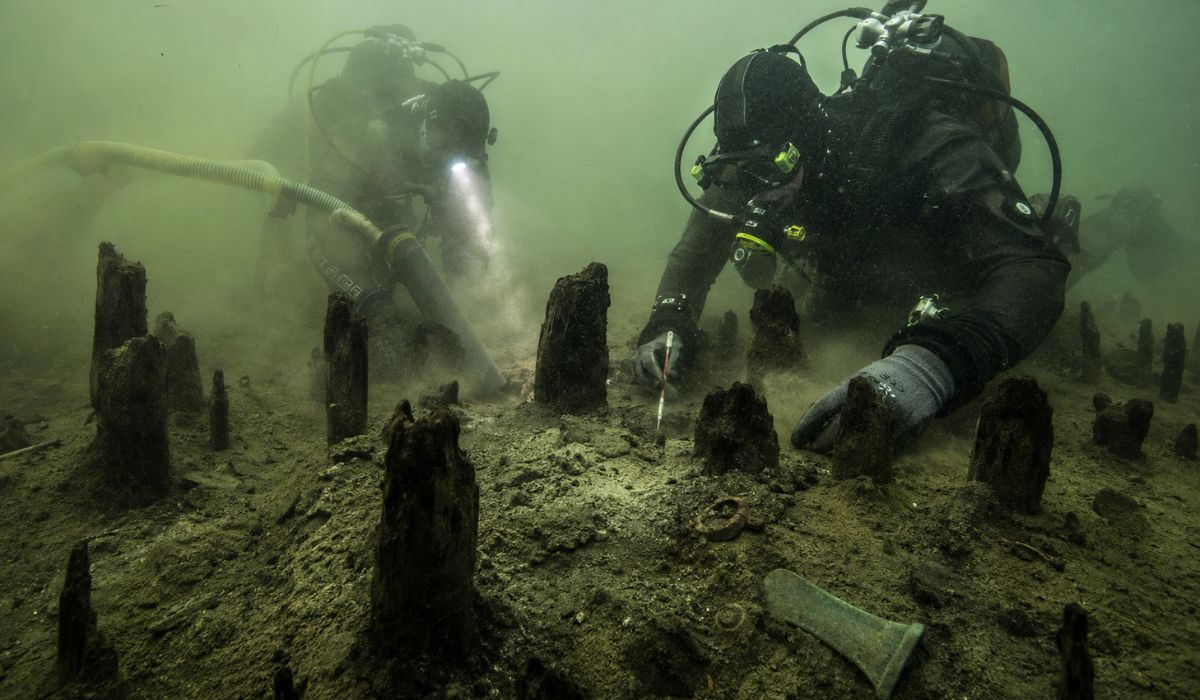
An entire village lay asleep at the bottom of a lake for 3,000 years: divers suction sediments in Italy and reveal more than 600 wooden stakes, bronze tools, and traces of a Bronze Age settlement hidden underwater.
-
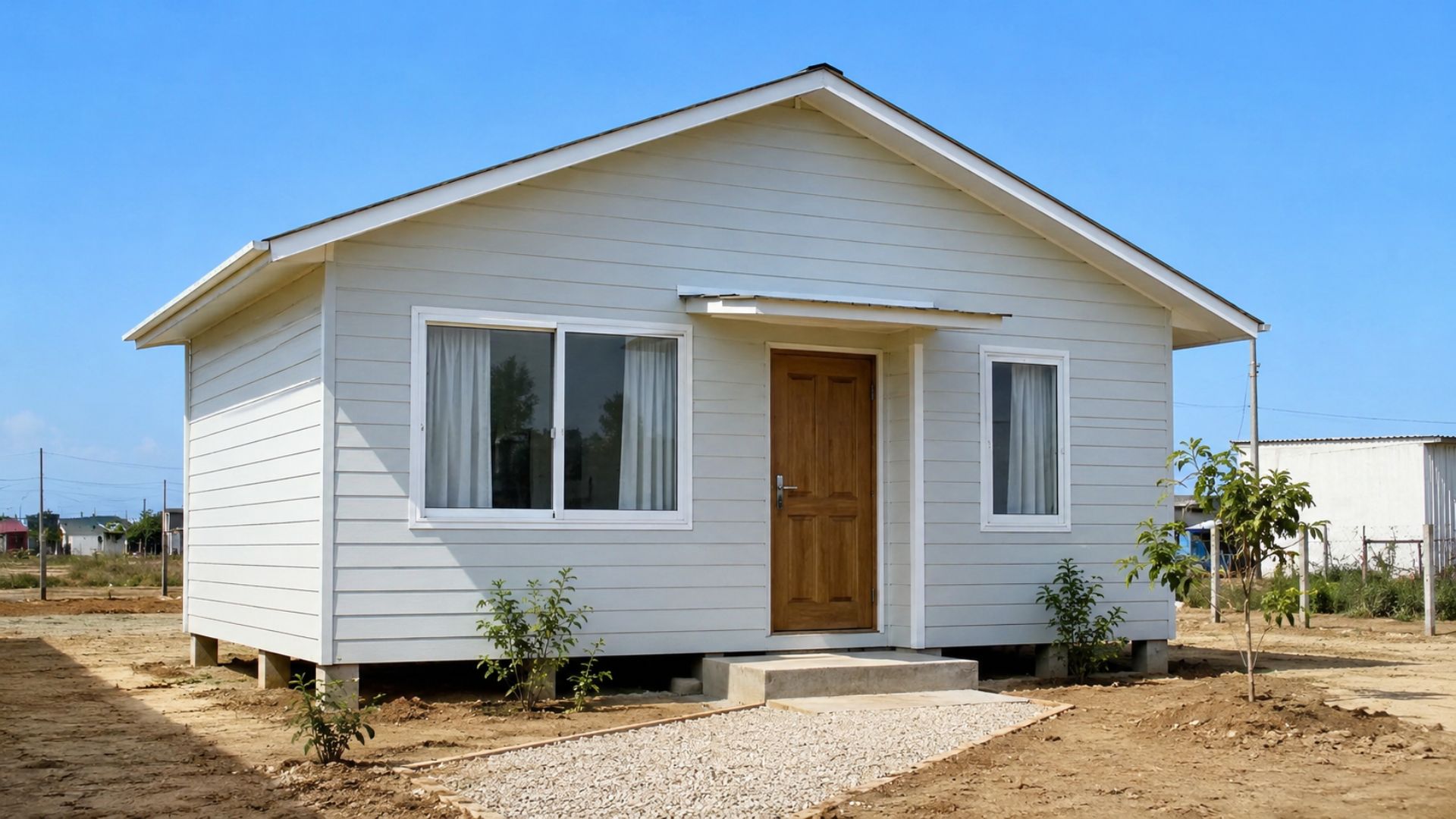
They call it the “Shopee house” and even cardboard, but the R$ 20,000 house is a certified Wood Frame from Alea, financed by Minha Casa Minha Vida: understand if it’s worth more than masonry.


The 60 To 70 Sq Km Island Has Dense Forest And Restriction of Approach To Less Than 5 Km
North Sentinel is described as a small forested island measuring 60 to 70 sq km. It is administered by India as part of the Andaman and Nicobar Islands.
Access is legally prohibited, and surveillance seeks to prevent approach within 5 km of the coast. This applies to boats, curious individuals, and tourists.
La Vanguardia, a Spanish newspaper, presented the details of the restriction and control efforts to keep the island isolated.

The Sentinelese People Have Lived Isolated For Tens Of Thousands Of Years And Maintain An Origin Estimated At Between 60,000 And 75,000 Years
The Sentinelese have lived on the island for tens of thousands of years. There are estimates of ancestry linked to ancient human migrations, with figures between 60,000 and 75,000 years.
This level of isolation helps explain why the group remains outside of any integration with the surrounding area. Their way of life is described as based on their own territory.
The prolonged absence of frequent contact with the outside world increases the risks when someone attempts to approach.
Estimated Population of 50 To 200 People Cannot Be Censused And Has No Linguistic Base With Neighbors
The population is estimated at between 50 and 200 people, with no exact number confirmed. There is no census because any attempt to approach puts the group at risk.
The language of the Sentinelese is not understood by residents of nearby islands. A minimum communication basis has also not been established.
The Conversation, an academic analysis platform, explained why this isolation complicates population counting and any attempts at dialogue.
Bows, Arrows, Spears And Shallow Canoes Show Hunting, Fishing And Territory Defense
What is known comes from distant observations and points to a way of life of hunter-gatherers and fishermen. The use of bows, arrows, and spears appears as a tool for subsistence and defense.
The dwellings are described as simple shelters among trees. The canoes are used in shallow waters and do not indicate navigation for open sea.
Survival, an international organization defending indigenous peoples, described these elements as part of a routine centered on the immediate environment.

Hostility In 2004 And Deaths In 2006 Reinforced The Risk Of Any Approach
The reaction against intruders is a pattern reported in various attempts at contact. Even after the 2004 tsunami, there were reports of hostility against helicopters that approached.
In 2006, two fishermen who got close to the island were killed, with reports of bodies displayed on bamboo stakes facing the sea. The episode reinforced the level of danger for any invasion.
The practical consequence is clear: the island remains an area where approach leads to conflict.
The Late 90s And Early 2000s Marked The Official Adoption Of The Non-Contact Policy
For decades, authorities sent expeditions with gifts, such as food and objects, sometimes accepted from a distance and under the threat of weapons. Contact never stabilized.
In the late 90s and the early 2000s, the decision was to halt these initiatives due to elevated health risks. The non-contact policy became the focus of protection.
The concern involves common diseases outside the island, which can be devastating for a group isolated for millennia.
ANPATR Provides Fines And Imprisonment, And The Case Of John Allen Chau In 2018 Exposed The Limit Of External Curiosity
The legal protection includes the Andaman and Nicobar Islands Protection of Aboriginal Tribes Regulation, ANPATR, which prohibits travel and interaction with the inhabitants. The mechanism provides for fines and imprisonment for those who violate the restriction.
The control also includes the Restricted Area Permit system, which limits tourist access to the archipelago, along with surveillance to prevent unauthorized visits.
In 2018, American missionary John Allen Chau died while attempting contact. The body was not recovered to avoid putting the group at risk and increasing the chance of contamination and conflict.
North Sentinel Island remains a protected territory by law and sanitary necessity. The isolation is not just cultural; it reduces the risk of epidemics and prevents confrontations.
For the public, the main practical consequence is clear: there is no authorized visit, and any attempt to approach may result in tragedy, both for invaders and for the Sentinelese themselves.




-

-

-

-

14 people reacted to this.