






 Portuguese
  Spanish




Archaeologists Discovered 960-Year-Old Indigenous Cache Pit in Alaska, Revealing Ancient Practices
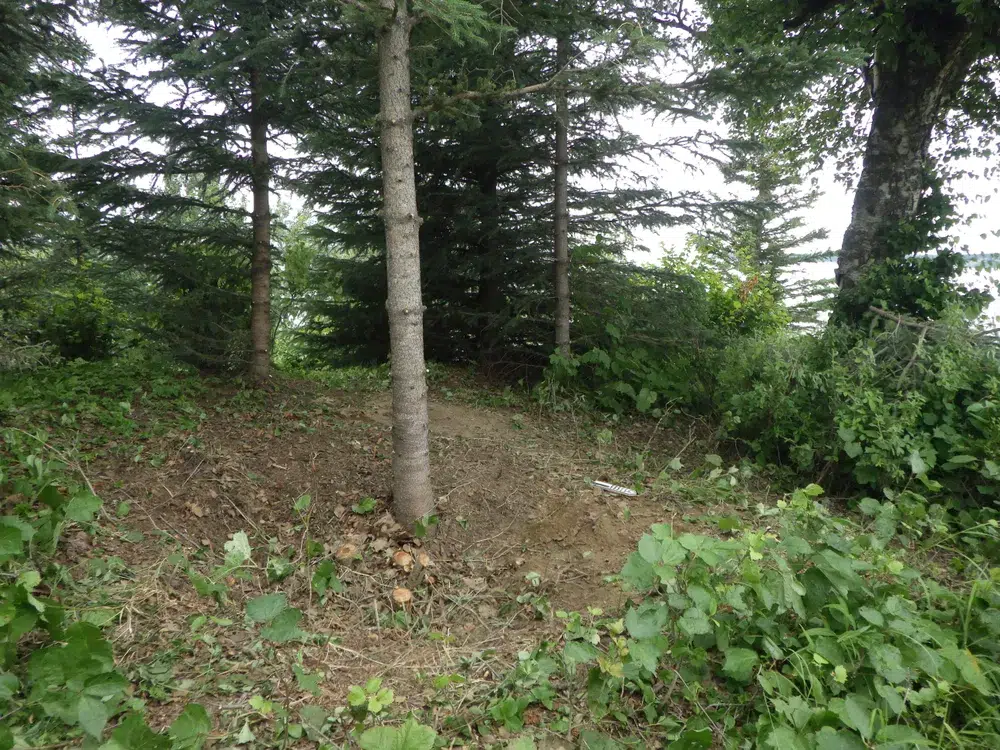
On a hill in the Gulf of Alaska, archaeologists uncovered an almost untouched cache pit used by the indigenous Dene peoples of the region.
The pit was found along an ancestral trail of the Dene, famous for connecting the modern area of Anchorage to the north.
Measuring about 1 meter deep, the pit was carefully excavated in well-drained soil and lined with birch bark and grass.
-
Award-Winning Japanese Restaurant Reveals It Has Preserved Part of the Same Frying Oil for 66 Years

-
American Youth Transforms from Severe Obesity to U.S. Air Force Enlistment, Losing 90 Kilograms in Two Years
-
11-Year-Old Entrepreneur Sells 60 Homemade Sweets Daily, Mastering Cost Calculation, Social Media Promotion, and Client Negotiation Since Age 7

-
Peruvian Mountain’s 5,200 Aligned Holes May Unveil Ancient Indigenous Market for Corn and Cotton


This care helped preserve food such as fish, meats, and berries, crucial for survival in the harsh seasonal conditions of southeastern Alaska.
The Dene People and Their Cultural Practices
The Dene, also known as Athabaskans, included the Dena’ina and Ahtna peoples. During the summers, they inhabited the region to catch and preserve salmon and land animal meat, such as moose and caribou, using storage techniques in places like this pit.
Archaeologists believed the cache could be a few hundred years old, but radiocarbon dating revealed a surprising fact: 960 years, give or take 30 years.
“When we received the results, we were shocked. It was exciting to see that the history was even older than we thought,” says Elizabeth Ortiz, an archaeologist at JBER, the military base where the discovery was made.
Analysis further confirmed the oral traditions of the Dena’ina and Ahtna peoples, which state that an area around Anchorage has been used by their ancestors for millennia.
Further tests are being conducted to identify the origin of the buried foods in the pit, such as moose or caribou.
The study of the surrounding soil has also helped understand whether these animals were stored at the site or merely passing through.
The discovered cache pit is a rarity in the region, as most of the surrounding area was destroyed in the 1940s during the construction of JBER.
The preservation of the site is a milestone for archaeologists and, especially, for the Indigenous groups in the region, who see it as an important link to the past.

Elmendorf-Richardson Joint Base
The Cultural Importance of the Discovery for Indigenous Peoples
“Although development is progressive, it is possible to leverage these discoveries to enhance our historical and cultural understanding,” says Aaron Leggett, president of the Native Village of Eklutna and curator of the Anchorage Museum.
He emphasizes the importance of utilizing these opportunities to collaborate with governments and promote a deeper understanding of local history.
Today, about half of Alaska’s population lives on the traditional lands of the Dene, making the preservation of sites like this even more relevant.
The work of archaeologists in collaboration with local tribes has been essential to contextualizing these discoveries and ensuring that future generations understand the historical richness of the region.
For Angela Wade, historical preservationist of the village of Chickaloon, each new abandoned site investigated is a chance to recover important parts of history that might have been lost.
“It’s like reclaiming a piece of our history from what we have separated from,” says Wade, reflecting on the value of keeping ancestral memory alive.
With information from smithsonianmag.




Se na superfície terrestre , ainda muito existe a descobrir acerca de nossos antepassados e nossas origens, imaginemos os oceanos r mares, tão ainda desconhecidos, não citando o gigantesco Cosmo.
Esse planeta tem… MISTÉRIOS, MUITOS MISTÉRIOS!
Impressionante!!!