






 Portuguese
  Spanish


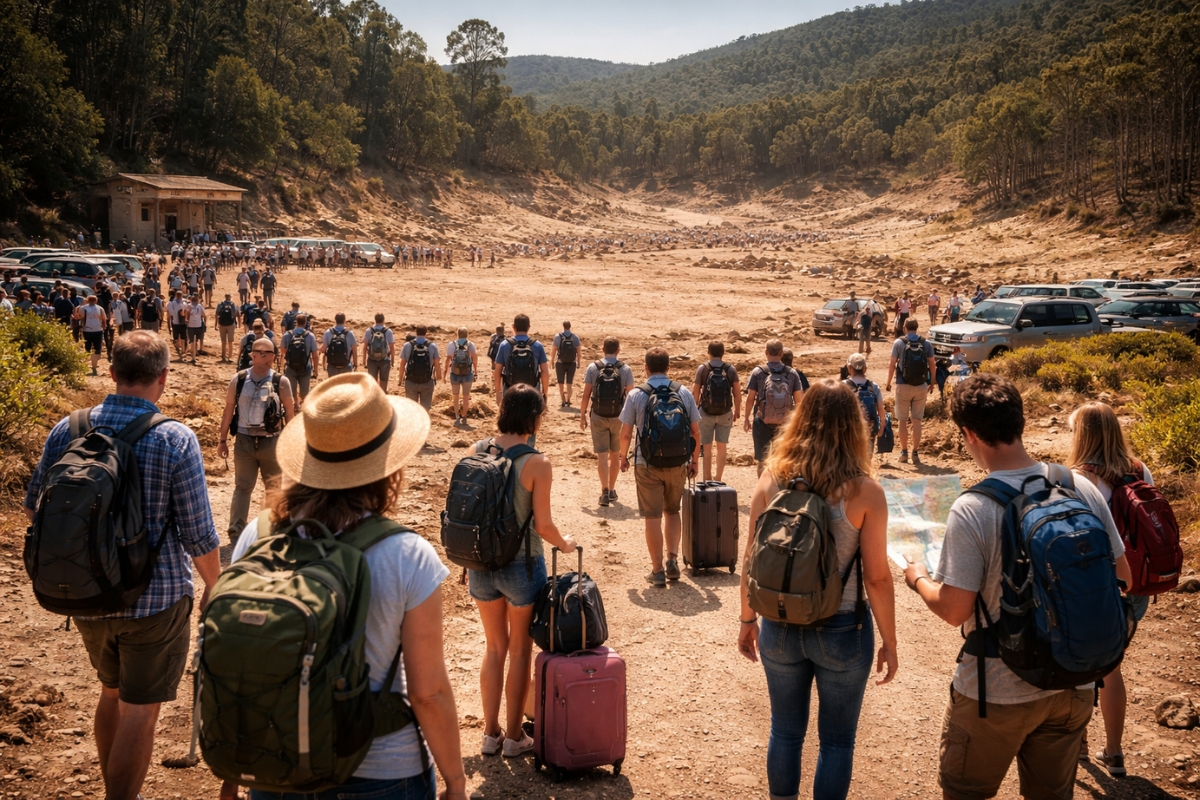

Tasmania Tours Published Fake Hot Springs in Weldborough, Attracted Tourists to Northeast Tasmania and Ended Up Pressured by Criticism and Image Damage
In a digital landscape driven by speed, an artificial intelligence error put a remote village on the radar of travelers. The destination seemed certain, but the promise was nonexistent.
The consequence came on the ground, with people driving to Weldborough in search of an attraction that was never there. The case exposed how the pursuit of scale can turn into reputational pressure.
Weldborough Becomes a Destination for an Invented Attraction
Weldborough, a rural settlement in northeast Tasmania, began receiving visitors after the publicity of supposed hot springs in the area. The location is about 110 kilometers from Launceston, making the trip a real commitment for those who believed the information.
-
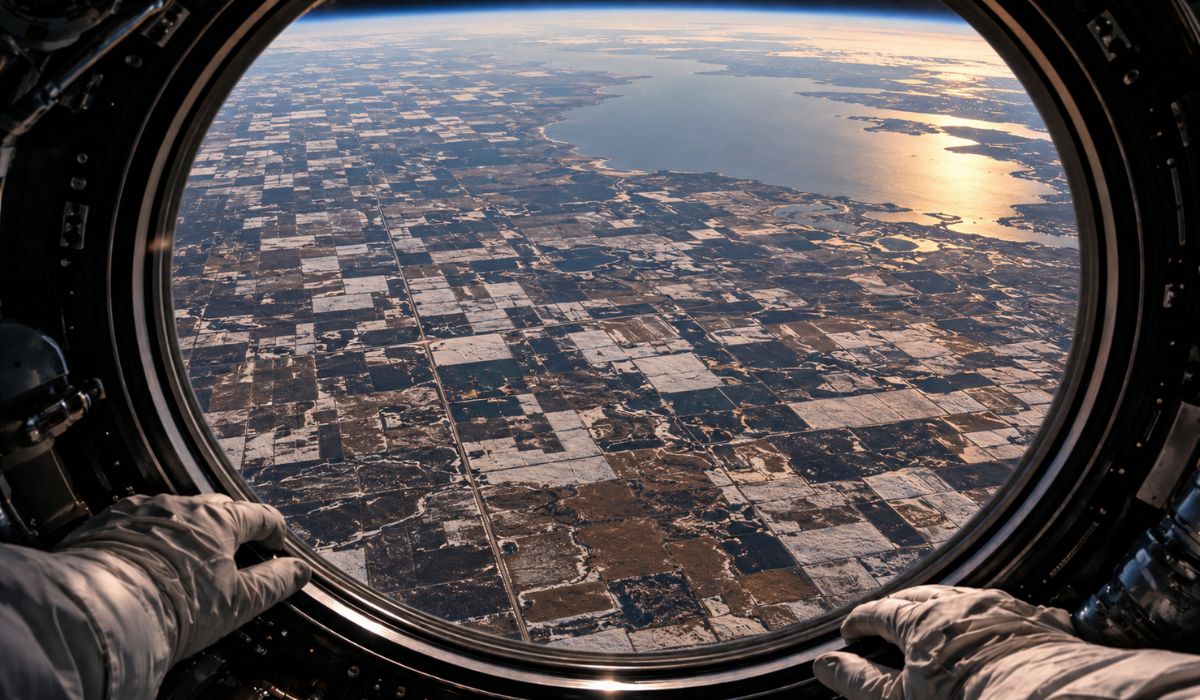
Seen from space, an astronaut captures in Canada a geometric carpet of crops drawn over the backdrop of a ghost lake that disappeared 12,000 years ago, was once larger than all the Great Lakes combined, and left a scar of fertile mud that still sustains agriculture.

-
Billionaire says the most valuable skill will help overcome job elimination caused by AI, following Bill Gates’ fears

-
A Dutchman created a ‘box’ that makes trees grow in the desert almost without water and without irrigation: the invention has already brought seedlings to dozens of countries and achieves up to 90% survival where common planting did not exceed 10%.

-
Abandoned warehouse hid a giant collection of rare computers, with over 2,000 artifacts from the 1930s to the 1980s.



The narrative sold a nature retreat, with a vibe of trails and rest. The mentioned attraction, however, did not exist, and the route ended in frustration.

The Race for Content Accelerates the Error
The Tasmania Tours website adopted artificial intelligence to publish texts more quickly and compete with larger companies in the sector. The flow included human review, but this time the flaw slipped through, and the content went live.
The publication was later removed, but the effect had already spread. When traffic increases, trust becomes currency, and any slip weighs heavily.
Complaints Explode and Reputation Is at Risk
According to ABC News, the journalistic arm of the Australian Broadcasting Corporation, Australia’s public network, owner Scott Hennessey stated that the online hate and reputation damage were devastating for the company.
The attempt to gain traction in the attention game ended up turning into public wear and tear. And in this type of environment, the cost does not remain solely digital.


Local Hotel Receives Daily Calls from Tourists
At the Weldborough Hotel, owner Kristy Probert reported that calls started slowly and then became routine. She began receiving about five calls per day, in addition to visitors arriving at the hotel looking for the hot springs.
The region is remote, and the unexpected influx drew attention. The demand came from people convinced that the attraction was real and well-known.
AI-Guided Trips Increase the Risk of Deceits
Experts point out that the reliance on AI to discover destinations, create itineraries, and even calculate expenses is expected to grow. When the tool invents a detail, misinformation ceases to be abstract and turns into displacement, wasted time, and direct cost.
The episode reinforces a simple point: in travel decisions, a wrong text can displace people and expectations with the same force as a well-crafted campaign.
The Case Changes the Strategic Reading of Digital Tourism
When scale becomes a priority, checking facts becomes a line of defense. What seemed merely content to attract clicks transformed into local impact and a weariness of trust.
In the end, the story shows how an AI failure repositions risk on the map and changes the strategic reading.




