Portuguese
  Spanish


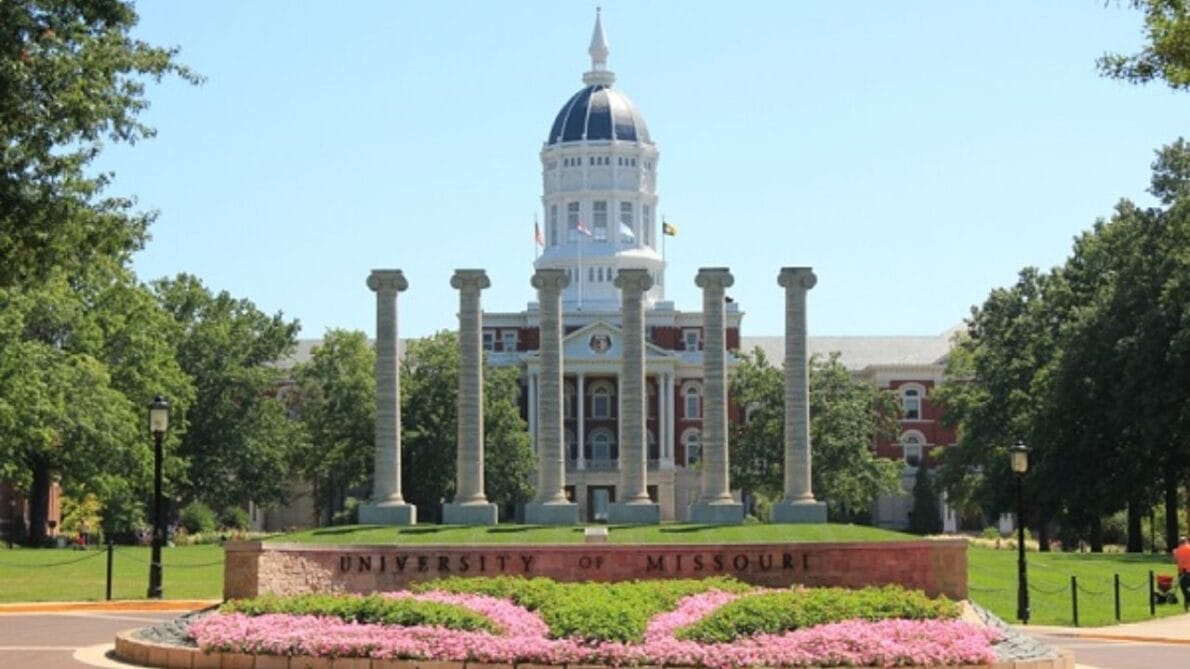

New University Reactor Will Be Used to Study Cancer and Produce Drugs Using Radioisotopes
The University of Missouri has announced the start of the preparatory phase for the construction of a new research reactor, the NextGen MURR. The facility will primarily focus on the production of radioisotopes used in cancer treatments and drug development, as well as strengthening scientific research in various fields.
University Reactor Should Expand Research Capacity
The current reactor at the University of Missouri (MURR) is the most powerful operational reactor at an academic institution in the United States, with a capacity of 10 megawatts. With the proposal of the new project, named NextGen MURR, this capacity will double to 20 megawatts. The new facility is expected to enable significant advancements in areas such as nuclear medicine, archaeometry, and materials engineering. According to the article published by the portal Interesting Engineering, the goal is to keep the university at the forefront of academic nuclear research.
International Partnership Strengthens Feasibility of Construction Project

The construction of the new reactor will be done in partnership with a South Korean consortium, reinforcing international collaboration on high-tech projects. Initial investments of US$ 10 million are expected over the next six months for feasibility studies, site selection, and planning. The choice of a cautious and technical approach demonstrates care for all stages of the construction process, from planning to execution, as highlighted by the university.
-
At 61, Former Homeless Wheelchair User Receives Key to Container Home in Brazil, Declares Independence

-
São Paulo Highway to Receive Over $260 Million in Upgrades, Including 90 Kilometers of Service Roads and New Infrastructure, by 2027
-
Couple Transforms Abandoned Seaside Public Restroom Bought for £33,000 into £295,000 Beach House After a Decade of Renovations

-
With 26 Million Brazilian Families in Substandard Housing, Churches to Launch 2026 Challenge: Each Parish to Build or Renovate a Home for a Local Family



Medical and Scientific Applications with Direct Impact
With the NextGen MURR, the University of Missouri will be able to increase the production of radioisotopes used in medical treatments and diagnostics, primarily in the fight against cancer. Additionally, the new reactor is expected to support research in various scientific fields, strengthening the role of infrastructure development in advancing knowledge. The project also addresses the growing demand for safe and efficient nuclear solutions for civilian use.
Future Steps of the Construction Project and Timeline
The initial phase of the work includes detailed studies of impact, location, and regulatory approval. The construction itself still depends on additional approvals and the raising of supplemental resources. However, the careful planning and initial funding mark the beginning of an important journey for research in construction and applied nuclear energy. According to the portal Interesting Engineering, the NextGen MURR is expected to set a new standard for university reactor infrastructure in the United States.