Portuguese
  Spanish


French brand bought 6 million PET bottles from cooperatives in Minas Gerais, created a traceable recycling chain, and took Brazilian plastic to the global sneaker market.
Long before sustainability became one of the most repeated words in the fashion industry, a French company had already decided to produce footwear using traceable Brazilian raw materials, organic cotton, Amazonian rubber, and recycled plastic. But a new project started in Minas Gerais took this proposal to another level. In just one year, the company acquired 6 million PET bottles from waste picker cooperatives in the state, creating a fully traceable chain to supply the manufacturing of its sneakers sold in dozens of countries. The initiative is led by the French brand VEJA, founded in 2004 by entrepreneurs Sébastien Kopp and François-Ghislain Morillion, known for producing footwear using Brazilian inputs and for building supply chains based on fair trade principles.
According to information released by TIME magazine, the operation developed in Minas Gerais began to connect recycling cooperatives, selective collection workers, textile transformation companies, and one of the most well-known sustainable brands in the international market.
Cooperatives in Minas Gerais began supplying millions of PET bottles to fuel a global sustainable fashion chain
VEJA has been using recycled polyester in its products since 2015, but for years the company could not precisely identify the origin of the bottles used in the material’s production. This limitation contradicted the transparency policy adopted by the company.
-
Abandoned Factory in Rio’s North Zone Becomes Urban Hazard with Standing Water and Debris

-
The U.S. Navy Conducts Submarine Tests in Idaho Lake to Detect Underwater Noises Hidden by the Ocean

-
British Factory Transitions from Mechanical Parts to Producing 420,000 Electric Power Units Annually, Supplying 70% of Ford’s Electric Cars Sold in Europe
-
France Launches Network to Recycle 20 Million Cookware Pieces by 2027, Accepting All Brands for Aluminum and Coating Separation


In recent years, the company decided to develop a new production chain based exclusively on post-consumer waste from organized cooperatives.
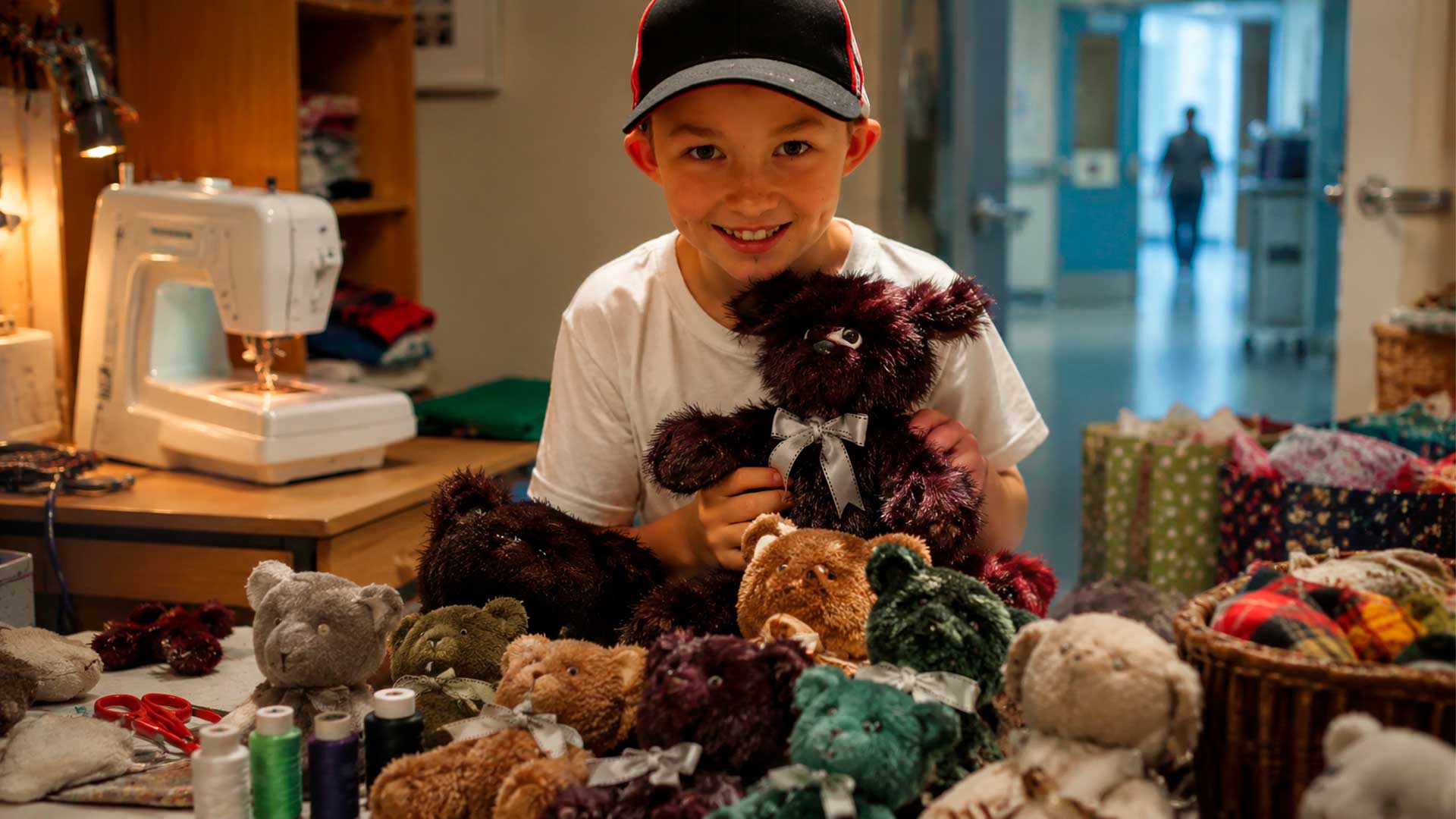
It was in Minas Gerais that the opportunity arose to structure this model. According to TIME, the supplier network comprises 13 cooperatives made up of approximately 200 workers, about 60% of whom are women.
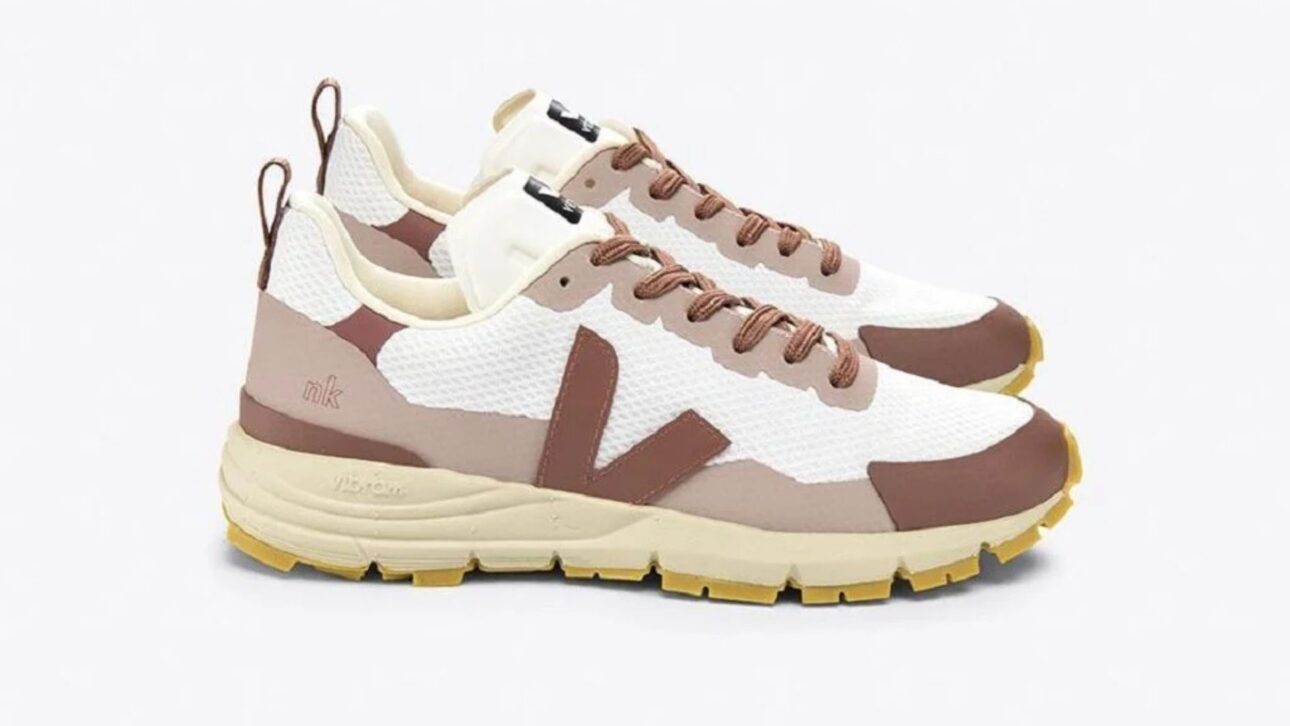
From this structure, the company managed to create a system that tracks the trajectory of plastic from street collection to its transformation into fabric used in the interior of shoes.
Six million PET bottles were purchased in just one year
The numbers are striking. In 2023, VEJA acquired 6 million PET bottles exclusively from this network of cooperatives in Minas Gerais.
The material is separated, pressed, processed, and converted into recycled polyester fibers used in different components of the brand’s sneakers. The company claims that the initiative allowed for a fully traceable production chain, something that was previously not possible.
Besides the environmental aspect, the project brought economic impacts for the workers involved. According to TIME, the company established contracts based on fair trade principles and began paying amounts higher than those practiced in the conventional recycling market.
Collectors receive bonuses above market price for selling bottles
The initiative’s differential is not just in the use of recycled plastic. The company decided to create financial incentives to value the work of collectors.
According to the TIME report, VEJA adds a bonus of approximately US$ 1.20 for each kilo of transparent bottles sold, in addition to the amount normally paid by the market.
This model has made cooperative workers receive between three and four times more than in traditional negotiations with intermediaries.
According to the publication, in 2023 alone the program generated a combined bonus estimated at US$ 160,000 for the participating network of cooperatives.
The initiative also represents a form of recognition for an activity considered essential to the Brazilian recycling system, but historically undervalued.
Brazil has one of the most important informal collection systems on the planet
The choice of Brazil to develop this chain was not by chance. TIME highlights that the country has one of the most advanced experiences in the world in integrating waste pickers into solid waste management systems.
Experts estimate that cooperatives and recycling workers are responsible for a large part of the materials effectively recovered in the country.


VEJA itself states that these organizations participate in approximately 90% of the recycling flow of certain recyclable materials in Brazil.
Without this work, millions of packages would remain in dumps, landfills, or improperly discarded in rivers and urban areas.
French brand uses Brazilian raw materials since its foundation
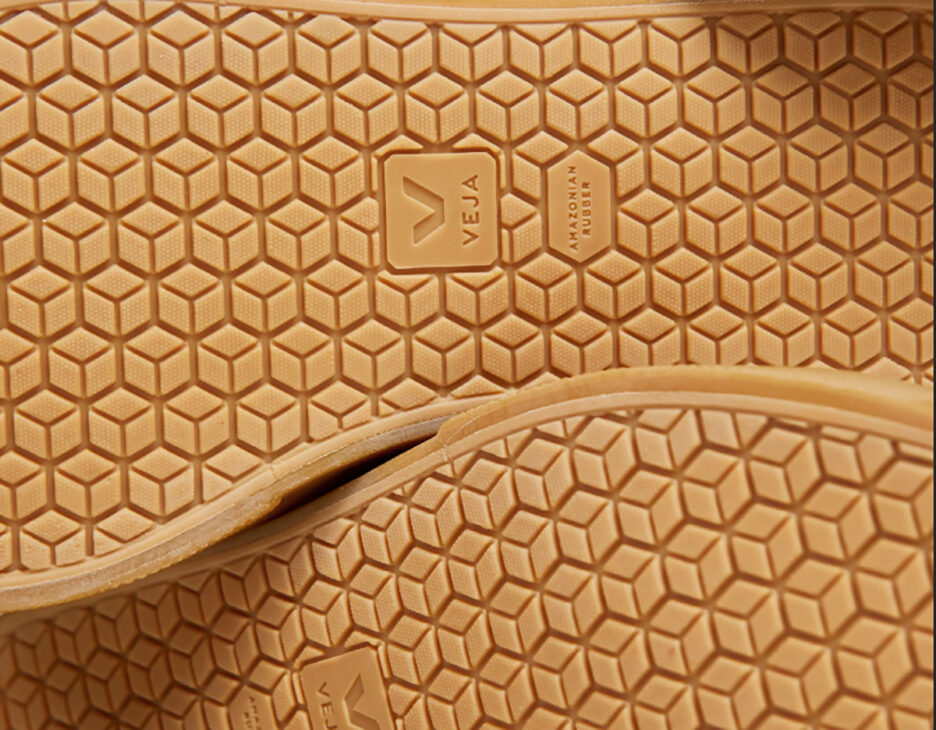
Although the project with PET bottles is recent, VEJA’s relationship with Brazilian production chains began more than two decades ago. The company uses organic cotton grown in Brazil, native rubber extracted from the Amazon, and recycled plastic collected by cooperatives.
According to data released by the company itself, millions of pairs of sneakers have already been sold in various countries using Brazilian raw materials.
The brand has a presence in important international markets, including France, the United States, Germany, and the United Kingdom.
As a result, waste collected in Brazilian cities ends up incorporated into products sold in some of the main global showcases of sustainable fashion.
The project shows how urban waste can enter international high-value-added chains
For decades, used PET bottles were seen only as materials of low economic value. The project developed in Minas Gerais shows a different scenario.
Instead of being sold only as scrap, these packages have become part of an international production chain with traceability, differentiated remuneration, and higher added value.
For VEJA, this means transparency. For the waste pickers, it represents financial stability and professional recognition.
And for the fashion industry, the model offers a concrete example of how urban waste can be incorporated into premium products sold in dozens of countries.
The result is an unusual journey: a bottle discarded in a city in Minas Gerais can travel hundreds of kilometers, be transformed into textile fiber, and end up inside a sneaker displayed in stores in Paris, New York, or Berlin.