Portuguese
  Spanish


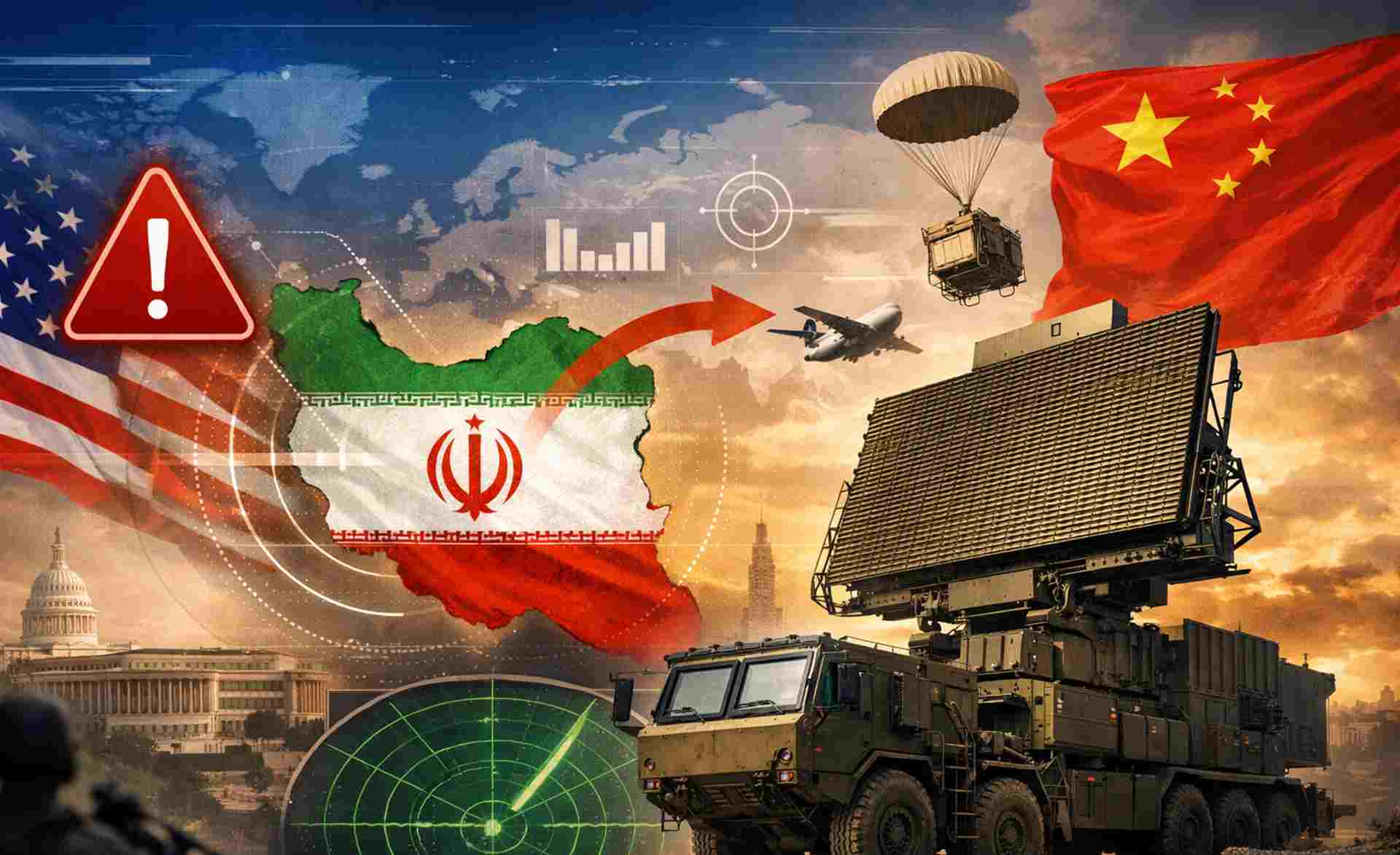


U.S. intelligence has identified signs that the Chinese government is evaluating the supply of advanced radar systems to Iran.
The potential technology transfer represents a new level of military cooperation between Beijing and Tehran, raising alarms in Washington about the balance of power in the Middle East. This movement occurs at a time of heightened tensions, where the enhancement of Iranian detection capabilities is seen as a direct threat to air operations in the region.
Impact on Iranian Defensive Capabilities
The delivery of advanced radar systems would allow Iran to significantly improve its ability to identify and track stealth aircraft and long-range missiles. Currently, Iranian air defense is seeking to modernize its infrastructure to protect strategic facilities against possible external incursions.
Chinese technology, known for its effectiveness in electronic warfare environments, would fill critical gaps in monitoring the country’s airspace.
-
New Brazilian Frigate Equipped with Advanced Missiles and Radars to Safeguard Strategic Maritime Areas

-
New Brazilian Frigate Equipped with Advanced Missiles and Radars to Protect Strategic Maritime Areas, Including the Blue Amazon and Pre-Salt Reserves
-
China Unveils Laser Weapon Capable of Instantly Neutralizing Military Drones, Marking a Significant Advancement in Air Defense Technology
-
U.S. Navy’s Ticonderoga-class Cruiser Becomes a 9,800-Ton Missile Fortress with Advanced Aegis System Capable of Tracking Hundreds of Targets


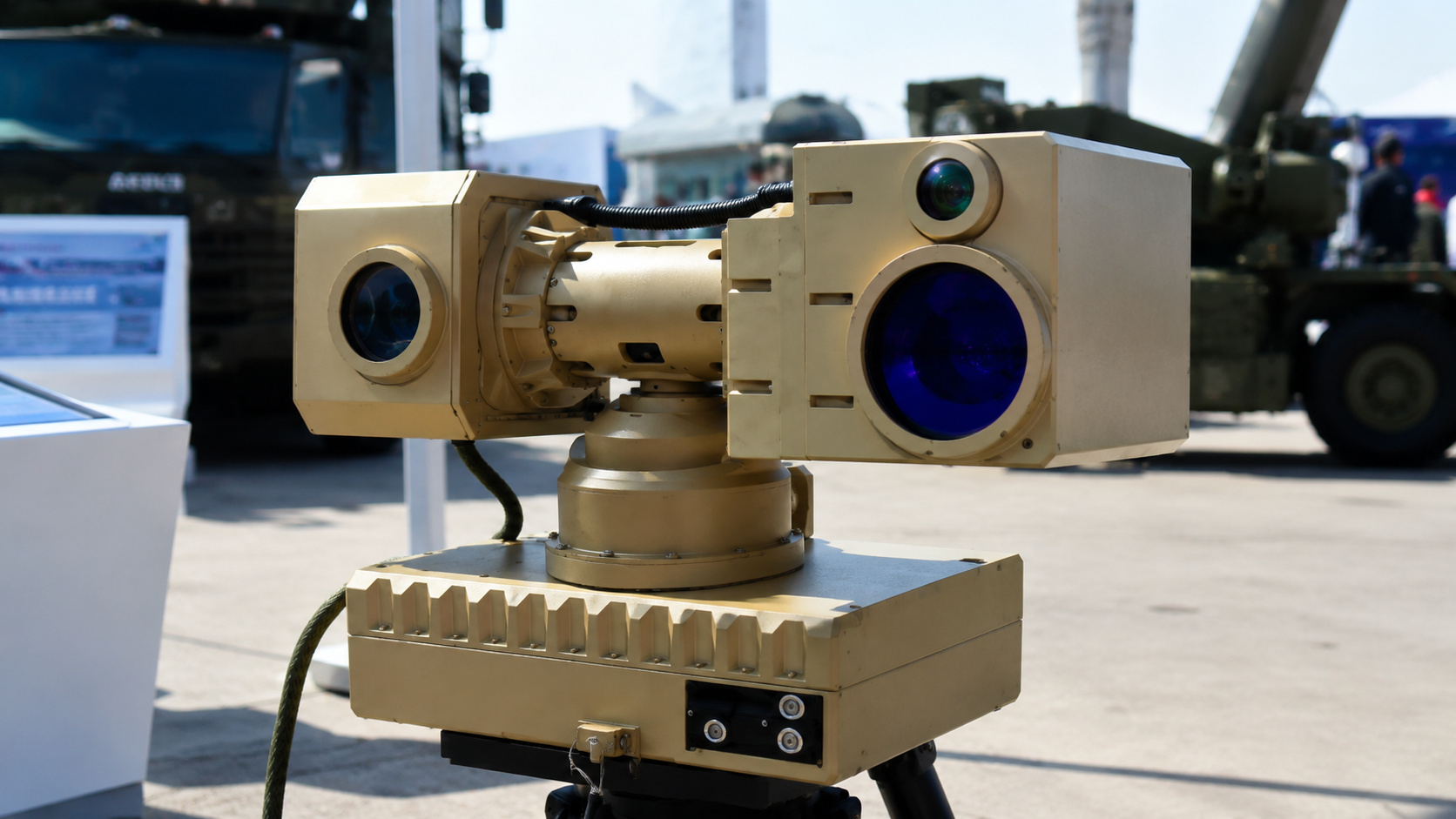

American officials are closely monitoring the negotiations, fearing that this technological integration could hinder the freedom of action of allied forces. The sophistication of this equipment could neutralize the tactical advantages that the United States and its regional partners currently hold. The introduction of these advanced radar systems is viewed as a complicating factor for diplomacy and military contingency plans in the area.
Geopolitical Dynamics and Strategic Alliances
The potential delivery of this equipment reinforces the strategic partnership between China and Iran, which has deepened in the economic and security sectors in recent years.
For Beijing, the supply of advanced radar systems serves as a tool of influence in a region vital to global energy supply. At the same time, Iran seeks alternatives to Western markets to circumvent sanctions and strengthen its national sovereignty.
This military collaboration is seen by observers as a challenge to U.S. hegemony, which has historically dictated security norms in the Persian Gulf. Chinese technical support would not be limited to physical delivery but would also involve specialized training for Iranian forces.
The use of advanced radar systems would consolidate a technological resistance axis against the political pressures exerted by Washington and its European allies.
Monitoring and International Repercussions
The international community watches cautiously how this transfer may affect non-proliferation treaties and existing resolutions. The U.S. government has used diplomatic channels and intelligence reports to discourage the finalization of the agreement between the two nations.
The central concern lies in the possibility that the advanced radar systems may be used to monitor not only military threats but also civilian commercial traffic in the region.
If the transaction is completed, a reassessment of defense strategies is expected from other Middle Eastern countries, such as Israel and Saudi Arabia. The race for technological superiority in air detection is likely to intensify, raising the costs of maintaining regional stability.
Continuous monitoring of these advanced radar systems remains an absolute priority for global security agencies in the coming months.
With information from CBS NEWS