






 Portuguese
  Spanish


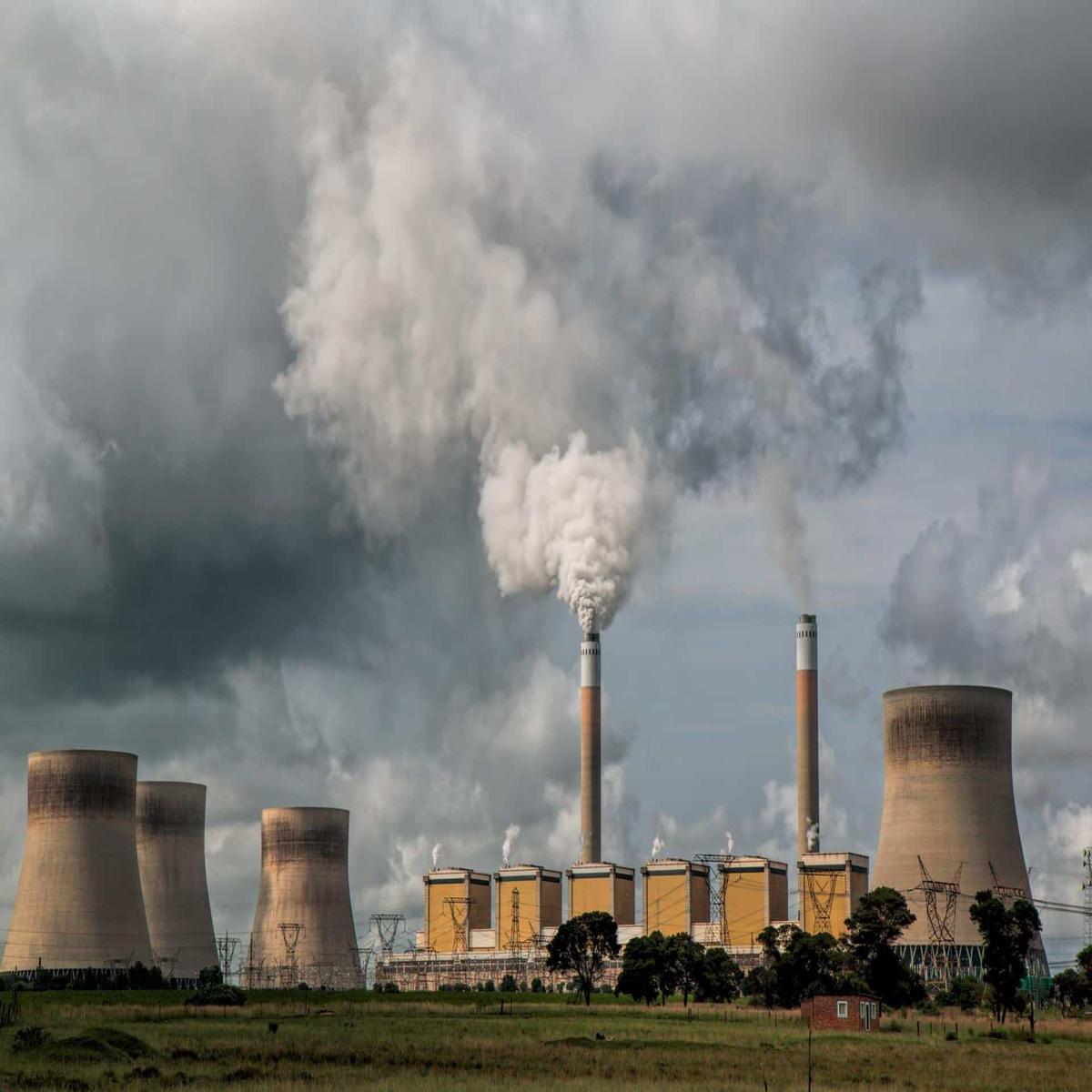

Initiative in Belém Converts Solid Waste into Electricity, Reduces Emission of Pollutant Gases and Generates Carbon Credits with Direct Impact on Economy and Environment
Since 2023, the landfill in Marituba, located in the Metropolitan Region of Belém, has been operating a thermoelectric plant that transforms urban solid waste into clean electric energy. The operator is the company Guamá Waste Treatment, which implemented a technology for capturing and utilizing the biogas generated by the decomposition of waste. With this solution, the unit generates approximately 740 megawatt-hours (MWh) per month, enough to supply an average of 10,000 people monthly. Additionally, the initiative considerably reduces the emission of greenhouse gases, such as methane, and allows for the generation of tradable carbon credits, contributing to a sustainable and environmentally responsible business model.
Process of Converting Waste into Electricity
Every month, around 40,000 tons of waste arrive at the Marituba landfill. During the decomposition of this material, gases such as methane are released. To reduce environmental impact, Guamá implemented a duct system that captures these gases and directs them to specific treatment and energy generation units. Technicians burn part of the methane in a controlled manner and transform it into carbon dioxide, a gas with 21 times lower climate impact. They also use another portion directly to power electric generators. Thus, the process ensures significant energy production with direct benefits to the local population and the environment.
Energy Self-Sufficiency and Circular Economy
The plant generates energy not only to supply external areas. A significant portion serves the internal needs of the landfill itself, such as the operation of effluent systems, aerators, and administrative facilities. This promotes energy self-sufficiency that reduces operational costs and dependence on external supply. The company sells the surplus energy production in the free market, creating a new source of revenue. Consequently, the operation of the landfill becomes not only environmentally sustainable but also financially viable. This approach directly contributes to the diversification and decentralization of the energy matrix in the region.
-
Brazilian scientists are simultaneously advancing two research projects on clean hydrogen and driving solutions that could transform the energy matrix, enhance industrial competitiveness, and accelerate large-scale emission reduction targets.

-
Advancement in renewable energy: A R$ 150 million project launched by Petrobras and Finep aims to create state-of-the-art electrolyzers for green hydrogen, strengthening national research and preparing Brazil to compete in a billion-dollar energy market.
-
Illiterate or semi-literate grandmothers were trained to repair solar systems, open rural workshops, and light up homes that still depended on kerosene.
-
The world has bet on green hydrogen as the fuel of the future, but now faces the side effect: producing 1 kilogram requires about 9 liters of ultrapure water, and the largest projects on the planet are precisely in the driest regions of the Earth, where water is already scarce for people.




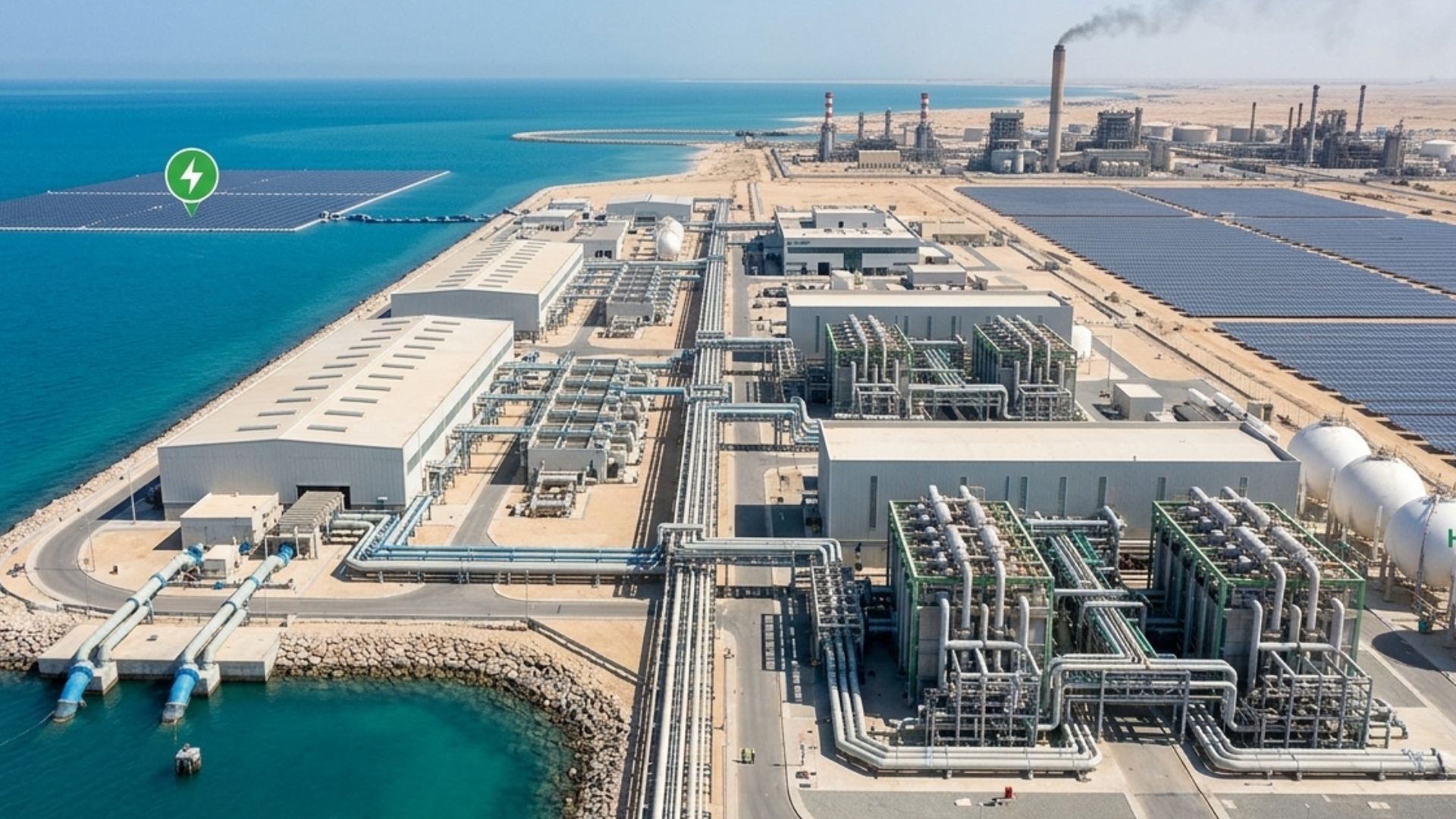
Marituba Landfill and Ideal Infrastructure for Biogas Generation
It is important to emphasize that the success of this type of project depends on adequate infrastructure, such as that found in the Marituba landfill. Dumps do not control the environment and put public health at risk. Landfills, on the other hand, use impermeabilization, drainage, and gas capture to treat waste properly. Thanks to these systems, it is possible to capture and treat the generated biogas. The system prevents companies from releasing gases directly into the atmosphere. Additionally, it allows them to generate carbon credits certified by the reduction of emissions. Companies can sell these credits in the market, ensuring financial incentives to maintain sustainable and environmentally sound practices.
Model of Marituba Thermoelectric Plant Serves as Sustainable Reference
The experience implemented by Guamá in Marituba represents a concrete advancement in the sustainable management of solid waste in Brazil. Combining technology, emission reduction, energy generation, and economic viability, the project serves as a reference for other regions in the country facing similar challenges. Transforming waste into energy, in addition to reducing environmental harm, promotes sustainable development, creates economic opportunities, and reinforces the commitment to responsible practices. Therefore, models like this gain prominence. After all, they function as efficient and practical alternatives to effectively address the environmental challenges of continuously expanding cities.









