






 Portuguese
  Spanish


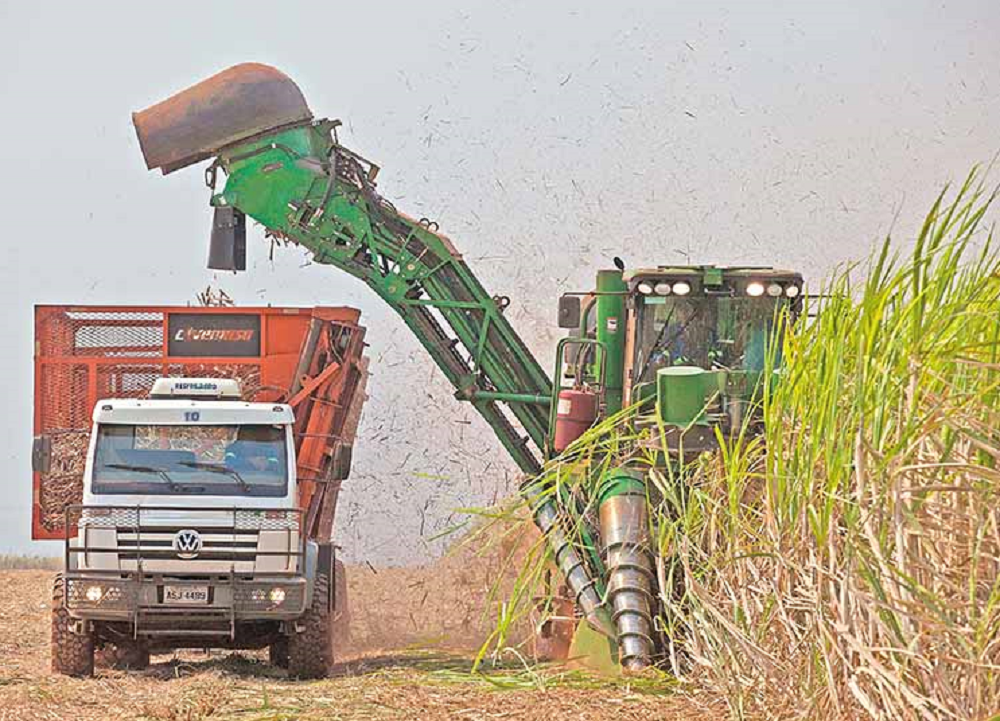

Sugarcane mills, the driving force behind ethanol production, have high expectations for the next harvest. 605 million tons are expected
Ethanol and sugar mills have high expectations this harvest. Sugarcane producers in Brazil’s Center-South will account for 80% of the country’s fuel and sweetener production. The harvest will begin on April 1 and extend until March 30, 2022. In general terms, it is expected that the mills will produce more sugar to meet global food needs.
Importance of Ethanol and Sugarcane Mills
Ethanol and sugarcane mills in Brazil have a great flexibility in production, unlike production units in the United States, where the main raw material is corn, which only produces ethanol.
In Brazil, the sugarcane production unit can alter its production structure; that is, sugarcane can be harvested and produce 60% sugar. However, after the necessary industrial adjustments, that percentage can be changed. The fact is that the Brazilian sugarcane industry is leading the increase in ethanol or sugar, as the task is to provide products that balance the internal market, whether fuel or sweetener.
-
Brazil’s 2026 Tax Refund: Record 9.58 Million Filers in Largest Payout Ever, But a Key Detail on Priority Recipients Draws Nationwide Attention

-
Itaú Alters Hybrid Work Model, Increasing Office Days from 2028, Prompting Employees to Adjust to New Routine
-
Facing Labor Shortage, Japan Plans to Invest $34 Million to Attract Foreign Workers in Construction, Healthcare, Industry, and Commerce

-
Brazilian City Makes Remarkable Leap, Becomes 4th Wealthiest in the Country with GDP of R$ 134.1 Billion




Production Projection for Sugar and Ethanol
All indications suggest that the mills will produce more sugar to meet global food needs. However, in order to make sugar more favorable in the “mix,” it is necessary to wait and see what will happen in India, which is an important productive player and has impacted export logistics. For example, if Indian transportation does not go well, international sugar prices will likely rise.
In any case, it is estimated that ethanol and sugar mills in the Center-South regions will have 46% sugar mixed, while ethanol will account for the remaining 34%. By March 1, the central and southern regions had processed 599 million tons. Unica – the Union of the Sugarcane Industry, predicts that this year’s harvest will reach 605 million tons.








