Portuguese
  Spanish


Vale and Sinobras Companies Sign Commitment Term for the Newest Project in the Mining Sector in Marabá, Which Consists of a Steel Production Plant from Pig Iron That Will Be Provided by Vale’s Subsidiary, Tecnored
During this past Monday, (05/09), Vale and Sinobras companies closed a partnership with the signing of a commitment term for a mining project in Marabá, a municipality in Pará. Thus, Vale’s subsidiary, Tecnored, will be responsible for supplying pig iron to the steel production plant, aimed at expanding the exploration of this resource in the state of Pará and bringing new perspectives for the companies in the sector.
Steel Production Plant from Pig Iron in Pará is Vale and Sinobras’ Newest Project for Expansion in the Mining Market in Brazil
Vale and Siderúrgica Norte Brasil S.A. (Sinobras), a company of the Aço Cearense Group, signed a commitment term this week for a steel production plant in the municipality of Marabá. Thus, the steel mill will have the supply of pig iron from Tecnored, a material that will be used for metal production and commercialization after the entire refining process of steel within the companies’ new project.
Tecnored is one of Vale’s subsidiaries and will supply pig iron for the initial production of steel billets, materials used as raw materials by steel mills in the hot rolling process, which can result in various types of products such as bars, profiles, wire rod, CA50 rebar, among others. Additionally, Vale itself will be responsible for part of the investment that will be allocated to the construction of the steel production plant in the state of Pará, although the companies have not disclosed the concrete values for the project.
-
Giant 142 kg Emerald from Brazil’s Bahia Region Auctioned with Starting Bid of Nearly $16 Million

-
Volvo’s New Loaders Feature Obstacle Detection, Automatic Braking, and 360-Degree Operator View

-
Study Reveals 97% of Pregnant Munduruku Women in the Brazilian Amazon Have Mercury Levels Above Safe Limits, 90% of Newborns Contaminated by Gold Mining
-
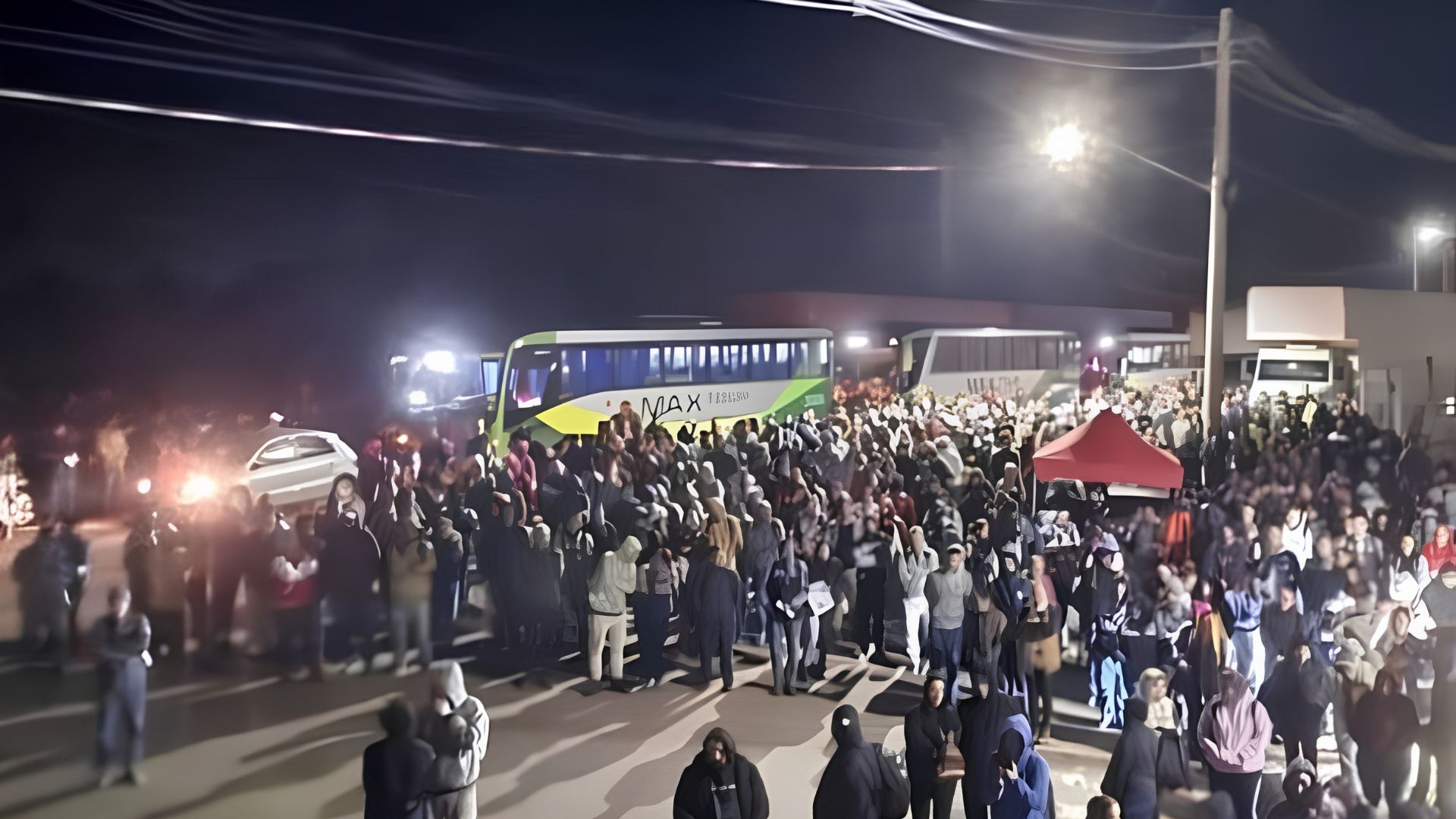
Chinese Manager Accused of Whipping Worker Sparks Protest by 1,200 Employees at Major Brazilian Factory


Furthermore, Sinobras will be responsible for all studies regarding the geomorphology of the site, aiming to ensure the best use of the acquired space for steel production from pig iron. Another announcement made is that the project is expected to be completed by the end of 2023, and the detailed construction schedule will be presented from the engineering studies phase. This is Sinobras’ new bet to expand steel production in Brazil, and Vale entered the project as a partner aiming for another high-productivity plant in mining.
Project for Steel Production by the Companies Will Be Essential for the Development of the Marabá Region and the Expansion of the Companies in Mining
The meeting for the signing of the commitment term between the companies included the participation of the governor of the State of Pará, Helder Barbalho; the mayor of Marabá, Tião Miranda; the president of the Aço Cearense Group, Vilmar Ferreira; the vice president of operations of the Aço Cearense Group, Ian Corrêa; and the CEO of Vale, Eduardo Bartolomeo. Thus, all scenarios that will be seen throughout 2021 in the project were discussed.
In this way, Tião Miranda emphasized the importance of the steel production project for the region and stated that “It will start with 250,000 tons of pig iron, using a new, more sustainable technology, which is Tecnored, and they will transform it into steel, reaching 500,000 tons, already with a buyer who will industrialize and has expertise in this, which is Sinobras. Mining without verticalization does not bring development to the region, so we need to verticalize our mineral to bring development and quality jobs.”
Finally, Vale and Sinobras highlighted the relevance of the initiative for expansion in mining, as Sinobras’ production, which is currently 350,000 tons/year, will more than double and will be expanded to 850,000 tons/year, a significant growth for the company.