Portuguese
  Spanish


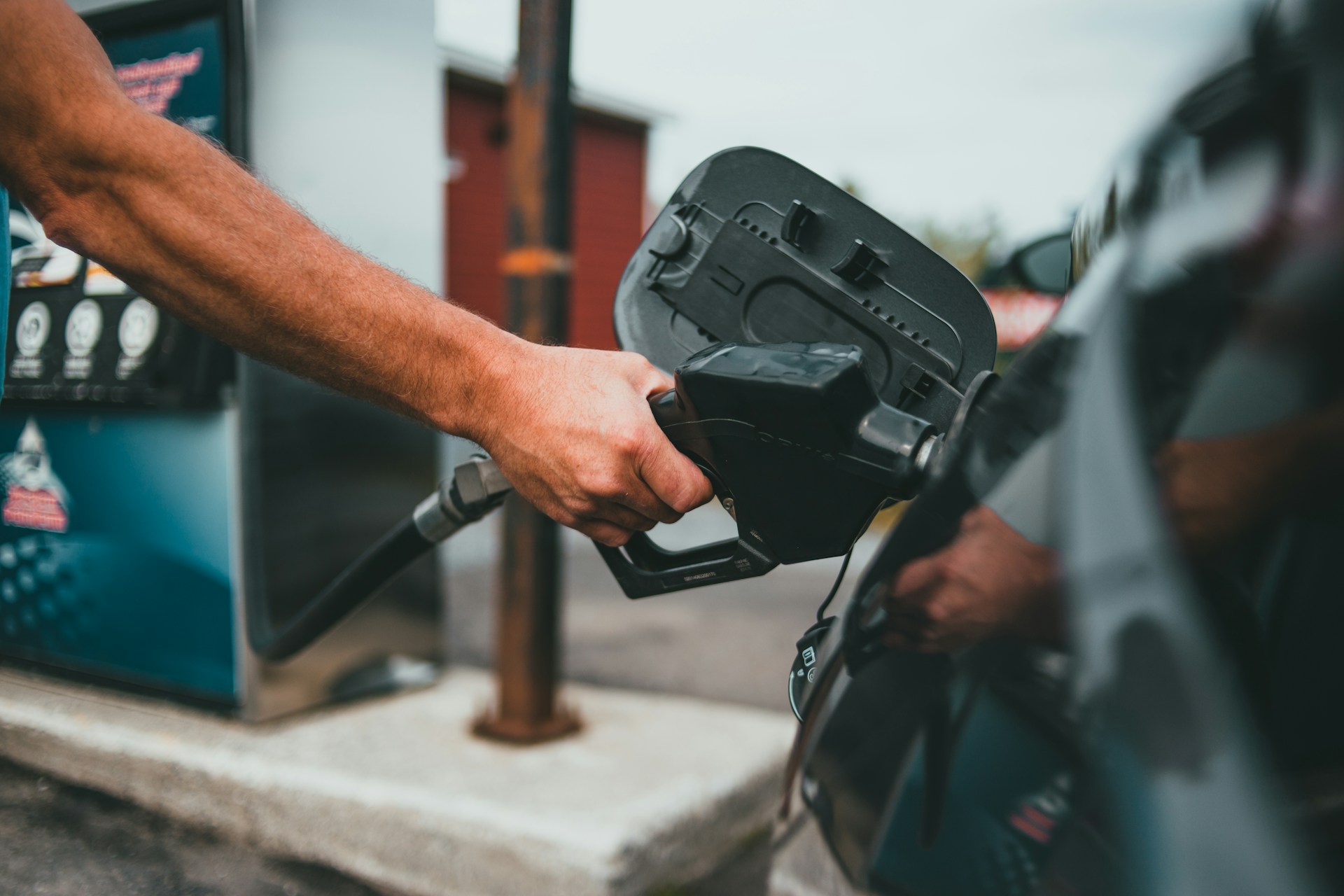

Many Believe That Refueling in Cold Weather Ensures More Fuel, But Tests Show That the Effect Is Null
For years, many people believed that refueling their car in the morning or at dusk could yield a few extra milliliters of fuel. The idea was to take advantage of the lower temperatures at these times. As a result, consumers thought they were saving when filling up their tank. But does this really happen?
Does Refueling in Cold Weather Save? How Did This Idea Originate?
The thought behind this myth is simple. The pumps at gas stations measure the volume of fuel going into the tank. In theory, when the temperature is lower, the fuel would be denser.
Thus, the consumer would receive more mass of fuel with the same volume indicated on the pump. This reasoning led many people to choose specific times to refuel.
-
How to Prevent Brown Recluse Spider Bites: Common Hiding Spots and Free Tips to Reduce Risks

-
Natto: The Unusual Japanese Superfood Gaining Popularity on Social Media and Driving Record Exports
-
Brazilian Mayor Goes Undercover as Homeless for 24 Hours to Assess Public Services

-
15-Year-Old Entrepreneur Malu Lira Publishes 20 Children’s Books on Financial Education, Earns $500,000, and Expands Her Project to the Amazon Rainforest




What Do the Tests Say?
To clarify the matter, the site “Auto Esporte” conducted a practical test. On the day of the experiment, at 8:04 AM, the ambient temperature was 20°C. The temperature of the fuel taken directly from the reservoir was 24°C. In other words, even with the cool morning, the fuel was warmer than the air.
This happens because the fuel stored at gas stations is kept in underground tanks. These tanks have protective layers and are several meters deep. Therefore, external temperature does not significantly affect the liquid inside.
The Safety of the Hoses
In addition to underground tanks, the hoses at gas stations are designed to prevent alterations in the fuel.
In an interview with “Auto Esporte,” engineer Gilberto Pose explained that the hoses have multiple layers of rubber reinforced with steel mesh. This prevents evaporation or deformation of the fuel during its journey to the car.
According to Pose, if there were evaporation in the hoses, it would be noticeable by swelling. Since this does not occur, it is clear that there is neither loss nor alteration in the amount of fuel during refueling.
Conclusion: Myth Confirmed
Therefore, refueling in the morning or at night does not bring any real advantage to the consumer. The external temperature does not interfere in the amount of fuel delivered. The myth, although popular, has no basis in practice.
With information from Excel.