






 Portuguese
  Spanish
  3 min of reading


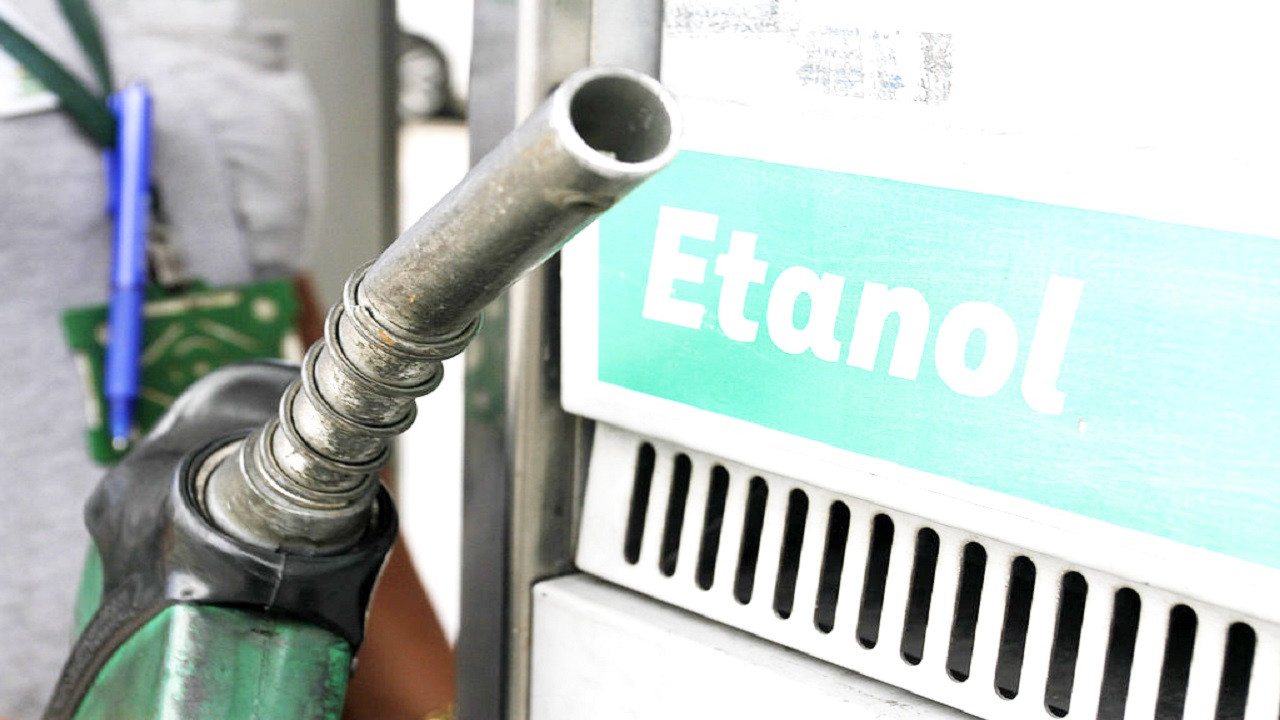
Volkswagen Vehicle Manufacturer Claims It Will Use Only Ethanol in Its Truck Fleet in Brazil
Focused on reducing CO2 emissions, the Volkswagen vehicle manufacturer claims that it will use only ethanol in its truck fleet, avoiding the emission of 1,700 tons of gases per year and committing to its Global Program.
Also Read
Announcement Made by the CEO of Volkswagen Highlights the Use of Ethanol
According to Pablo Di Si, President & CEO of Volkswagen in Latin America, ethanol is a biofuel with low carbon emissions and is also a renewable and clean source of energy. It has sustainability throughout its chain, considering the well-known concept of “well-to-wheel,” that is, from its acquisition, transport, and refining, to its use in the engines and exhausts of the trucks.
Ethanol is essential when it comes to reducing carbon emissions from the automotive industry. Volkswagen, recognizing the importance of ethanol, will supply its flex-fuel trucks in its internal fleet with the biofuel.
-
Uber Faces Shareholder Scrutiny as Board Accused of Ignoring Safety, Compliance, and Harassment Warnings Amid Over 3,500 U.S. Lawsuits

-
Ferrari’s First Electric Car Divides Fans, Priced at $630,000, Amid Concerns Over Limited Editions; Brand Clarifies It’s Not Just for Future Perks
-
BYD Dolphin Mini: The Electric Car That Defies Depreciation, Losing Only 3.58% in a Year and Becoming the Best-Selling Retail Model Under $22,000

-
Electric Car JAC E-JS4 Loses $19,000 in Value in One Year, Leading Record Depreciation of Used Cars in Brazil Due to Expensive Battery and New Models


This is an initiative that, like others to come, is part of the Volkswagen Group’s Global WaytoZero Program, which aims to achieve greater environmental efficiency and sustainability focused on carbon neutrality. It also states that using ethanol in the truck fleet ensures better air quality and an improved quality of life for the population.
The Second Wave of Ethanol in Brazil
Although beneficial and bringing various advantages to slow climate change, estimates for the biofuel suggest that, within a decade, it will be necessary to inject about 20 billion liters of ethanol per year.
According to Luís Carlos Júnior Jorge, president of the National Center for Sugar-Energy and Biofuels Industries (Ceise BR), Brazil has a great chance of being left out of this second wave due to the cost of doing business in Brazil.
According to Jorge, Brazilians are not competitive due to the burden of taxes. However, we have time to fix the situation and position the Brazilian base industry in the ethanol market that is about to arrive.
Volkswagen Promoting Sustainability
Always thinking about sustainability, Volkswagen created the e-Delivery, the first electric truck in mass production in Brazil, which is being manufactured in Resende (RJ).
The electric trucks in the line have been fully developed and tested in Brazil and are making history in the country. The e-Delivery trucks have a PBT of 11 tons, a 4×2 drive, and feature a 348 horsepower engine with 233 kgfm, which is mounted under the cabin, in the same place as diesel-powered trucks.





Be the first to react!