






 Portuguese
  Spanish


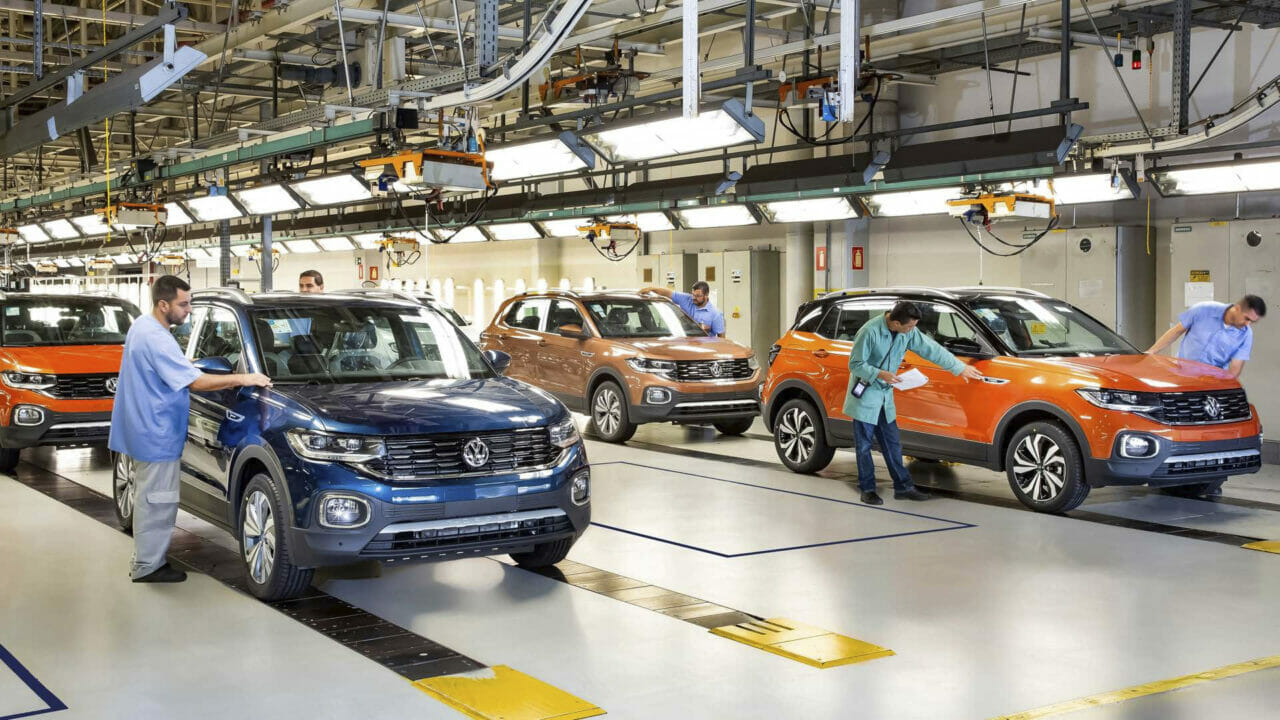

Multinational VW Plans to Invest Approximately R$ 5.33 Billion in Brazil in the Coming Years.
The automotive giant Volkswagen has big plans for Brazil on its investment horizon. According to information from the Sindicato dos Metalúrgicos do ABC, Volkswagen intends to allocate a substantial amount of 1 billion euros (approximately R$ 5.33 billion) to boost its operations in the country.
This additional investment amount is projected to extend the current cycle until 2028, providing a significant boost to Volkswagen’s four factories in Brazilian territory, according to Folha de São Paulo.
Volkswagen’s Investment Strategy in the Electric and Hybrid Vehicle Landscape
The expansion is not just in terms of capital; there is also a pronounced focus on electrification. “Brazil needs to position itself more aggressively in the electric and hybrid vehicle scene,” mentioned Wellington Messias Damasceno, a senior member of the union.
-
Brazil’s 2026 Tax Refund: Record 9.58 Million Filers in Largest Payout Ever, But a Key Detail on Priority Recipients Draws Nationwide Attention

-
Itaú Alters Hybrid Work Model, Increasing Office Days from 2028, Prompting Employees to Adjust to New Routine
-
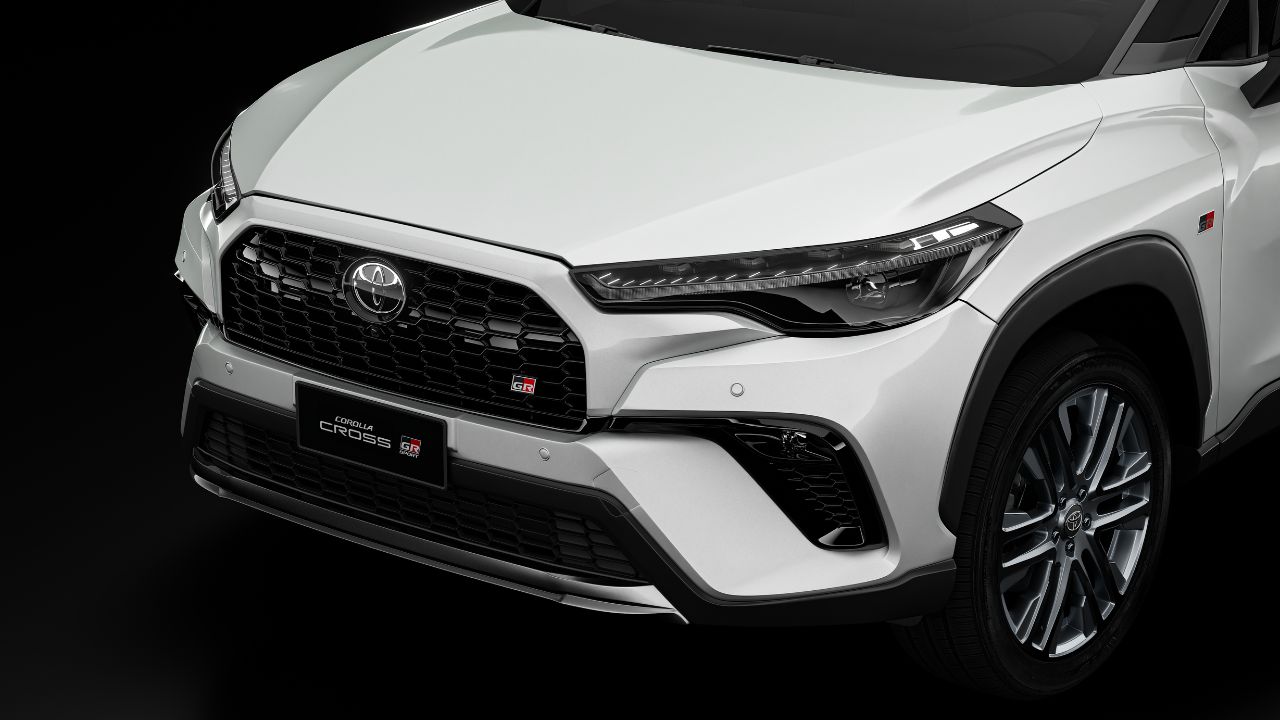
2027 Toyota Corolla Cross Unveiled: New Design, Enhanced Fuel Efficiency, Reduced Maintenance Costs, Advanced Technology, Connected Services, and Up to 10-Year Warranty

-
Facing Labor Shortage, Japan Plans to Invest $34 Million to Attract Foreign Workers in Construction, Healthcare, Industry, and Commerce



This strategic redirection is seen as a crucial step to consolidate Volkswagen’s presence in the growing sustainable vehicle market. Volkswagen’s commitment to producing versatile cars capable of operating with ethanol, gasoline, and electricity has already been confirmed by the company.
Although Volkswagen has not made an official statement regarding the new investment cycle, it has emphasized the importance of union negotiations, stating that “these are a key element for an effective partnership between the company and its employees.”
Volkswagen’s investment plan goes beyond Brazilian borders. The corporation announced in March of this year that it is investing a total of 180 billion euros (almost R$ 959 billion) globally between 2023 and 2027.
However, the main focus had previously been on China and the United States. The inclusion of Brazil in this new cycle of financial contributions demonstrates the strategic importance of the country for the future plans of the German automaker, especially concerning electrification and the expansion of its factory.
Investment Cycle from 2026 to 2028 and the Future of Volkswagen’s Factories in Brazil
The additional investment cycle is expected to last from 2026 to 2028, succeeding the current plan that began in 2022. About R$ 7 billion is already being allocated for the launch of new products both in Brazil and Argentina. These include the development of flex hybrid models, but it remains uncertain whether fully electric models will be incorporated in this new phase.
This new investment cycle has the potential to transform the Brazilian automotive market while emphasizing the need for innovation and sustainability. With its strong history and global presence, Volkswagen is certainly shaping the future of the industry in Brazil.
Volkswagen Unveils New Passat with Hybrid Version That Travels Up to 100 km in Electric Mode
Nothing better illustrates Volkswagen’s electrification efforts than the launch of its new Passat. The model, which marks half a century since its first generation, bids farewell to the sedan body style to emerge exclusively as a station wagon. The design choice is an intriguing mix of influences, featuring elements that recall both the automotive aesthetics of China and the brand’s electric line, ID.
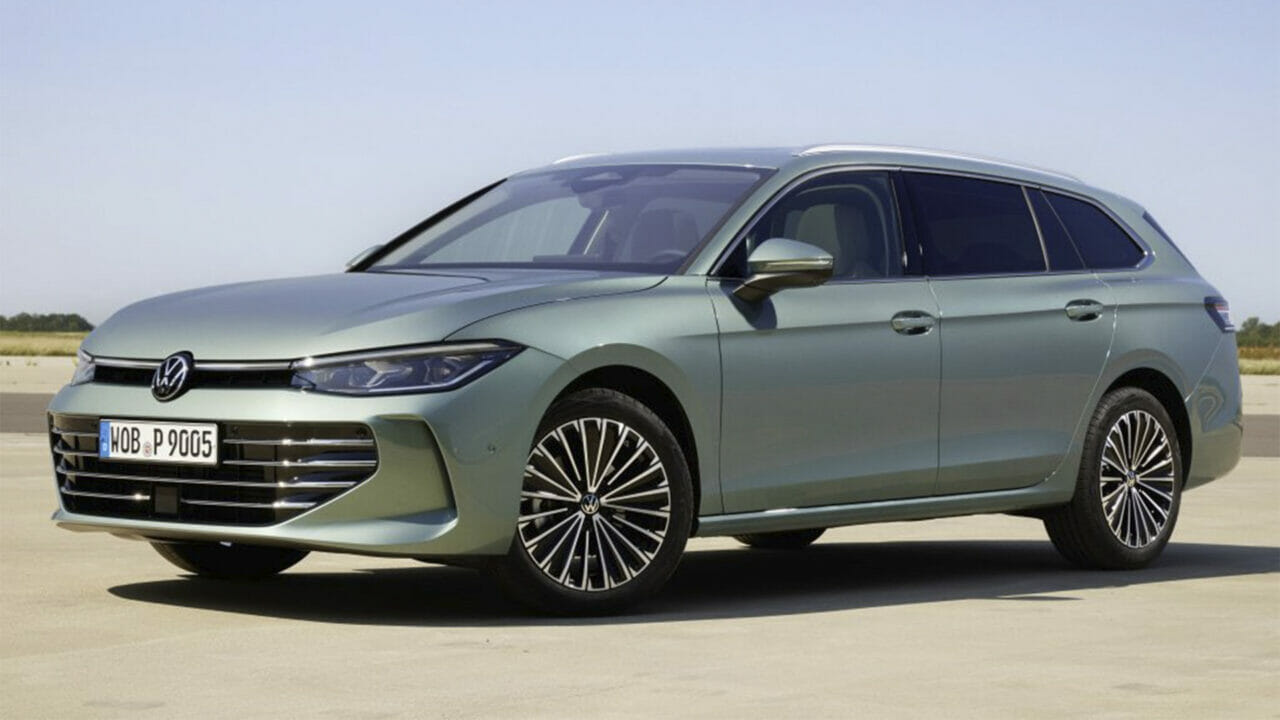
The aerodynamic focus is clear, achieving the best aerodynamic coefficient in Passat’s history, with a value of 0.25. The plug-in hybrid versions of this innovative model feature a charging connector on the left fender and offer up to 100 km of range in fully electric mode.
The change is not merely aesthetic. The Passat Variant, named so for its new version, is considerably larger than its predecessor, providing more interior space. It is based on the MQB evo platform, an evolution of the well-known MQB, which promises to incorporate advanced technological features while minimizing costs.
The cabin of the new Passat stands out for its functional minimalism, including highly customizable user interfaces and a 10.25-inch instrument cluster. These innovations align well with Volkswagen’s ambitious plans to expand its factories worldwide and strengthen its approach towards electrification. This further highlights Volkswagen’s commitment to sustainability and innovation, essential pillars in its new investment cycle until 2028.








