Portuguese
  Spanish




New Volkswagen Pickup and Challenges with New Emission Regulations Set the Tone for the Automotive Market
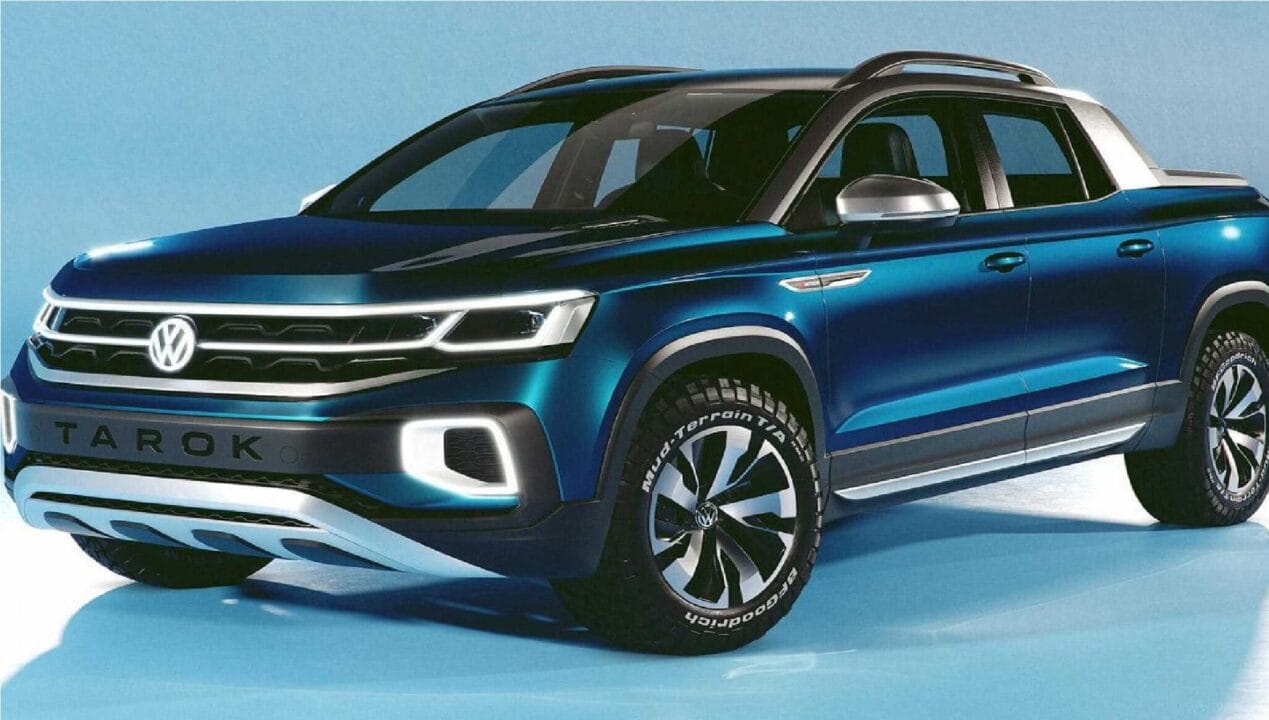
The Volkswagen Saveiro, one of the icons of the compact pickup segment, is nearing the end of its days in the Brazilian market. The latest information published by mobiauto indicates that the Tarok, the new pickup from the German automaker, will be responsible for replacing the Saveiro and will hit the market in 2026, bringing with it a series of changes and challenges for the brand.
The Tarok pickup, which was initially set to be based on the MQB platform of the Golf and Tiguan, has seen its project revamped and will now use the T-Cross base on the MQB-A0 platform. This change indicates a simpler construction and sharing of parts with the brand’s compact SUV. This strategy is similar to that adopted by Chevrolet with the Montana, derived from the Tracker utility vehicle.
New Emission Regulations and Lack of Space
Two main reasons lead to the end of the line for the Saveiro pickup. The first is related to the new emission regulations, with the eighth phase of Proconve requiring more efficient cars starting in 2025. The 1.6 flex aspirated engine, used only in the Saveiro, will not meet the new standards and will be discontinued.
-
2019 Kia Sportage EX: A Spacious and Cost-Effective SUV with 2.0 Flex Engine and Panoramic Roof

-
Fiat Strada Becomes Top Seller in June, Surpassing Onix, Polo, Hilux, and T-Cross with 107 HP Engine and 732 km Range.

-
Suitcase-sized hydrogen engine spins at 25,000 rpm, nearly doubling the efficiency of conventional cars and replacing exhaust smoke with water vapor

-
1983 Chevrolet Runs Over 100,000 km Without Gasoline, Powered by Wood Chips, Reaches 125 km/h in Airport Test



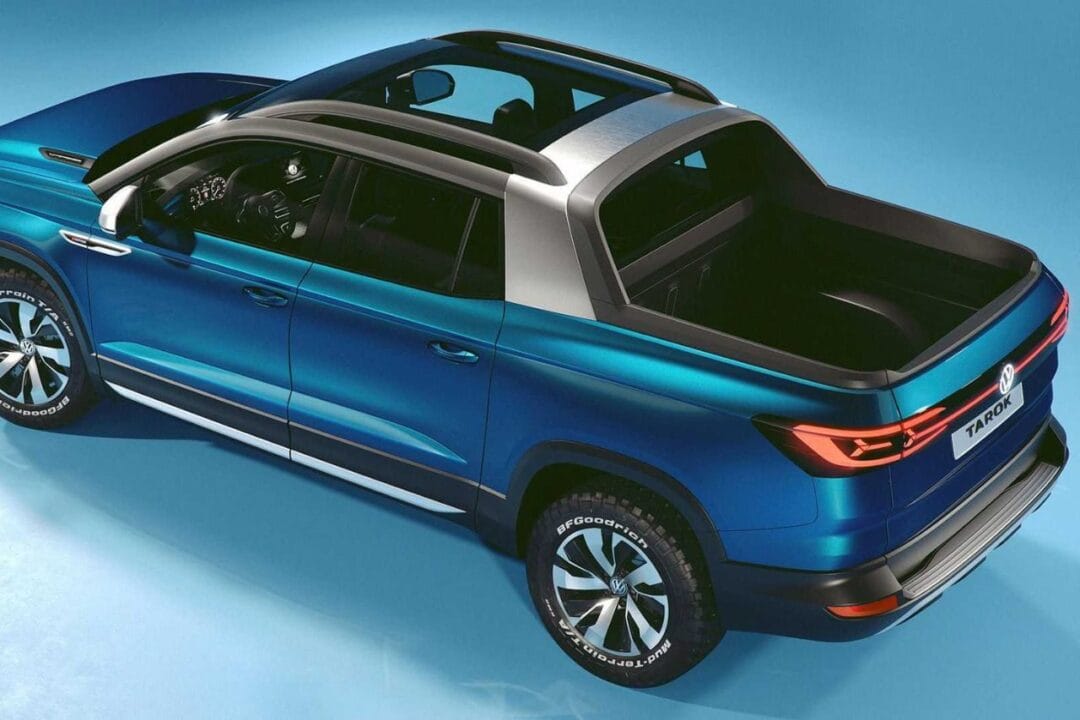
Reproduction: Mobiauto
Furthermore, the arrival of the Tarok will leave no space for the Saveiro in the market. The new pickup from Volkswagen will occupy a different segment, catering to customers who seek a pickup for daily city use, contrasting with the Saveiro’s more work-oriented profile.
Changes in Volkswagen Production
The production of the Tarok will take place in São José dos Pinhais (PR), while the Taubaté (SP) factory will focus on the production of the Polo family and the new compact SUV from the brand, possibly named Gol. Consequently, Volkswagen will have to find space in the facilities of São Bernardo do Campo (SP) to produce two more SUVs, as promised at a recent event.
The Anchieta factory in São Bernardo do Campo currently produces the Nivus, Polo GTS, Virtus, and Saveiro. With the departure of the Saveiro, the assembly line will be fully updated with the modular platform MQB, paving the way for the arrival of new Volkswagen products.
With the farewell to the Saveiro and the arrival of the Tarok, Volkswagen is preparing for a significant change in its vehicle lineup, aiming to attract new customers and adapt to the market and emission regulation demands. It remains to be seen how this transition will impact consumers and the brand in Brazil.