Portuguese
  Spanish


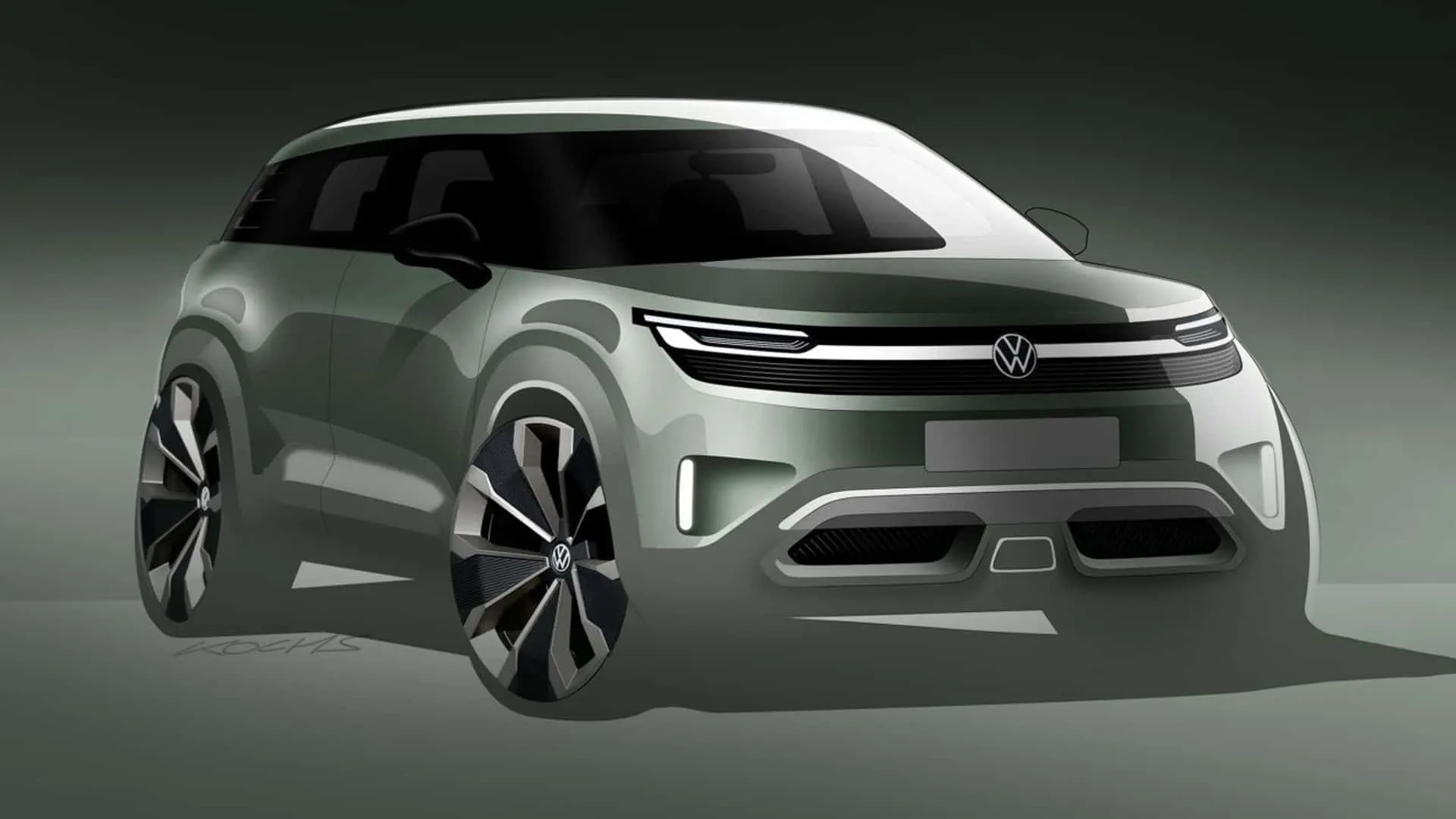

Have you ever imagined driving an electric T-Cross through the city streets, without spending on gasoline and still having enough autonomy for long trips? This scenario is getting closer. Volkswagen is preparing to launch the ID.2 X, aptly nicknamed the “electric T-Cross,” and promises to transform the way the public views compact SUVs.
Electric T-Cross Will Be Unveiled in 2025
The big moment is already scheduled: September 7, 2025. Just before the opening of the Munich Motor Show, Volkswagen will present to the world the highly anticipated electric T-Cross, which will arrive at European dealerships in 2026. The model was developed to fill exactly the space of the combustion T-Cross, but with a sustainable proposal adapted to modern mobility demands. This choice shows that the brand is betting on a volume product, rather than a niche electric.
Modern Design Inspired by the ID Line
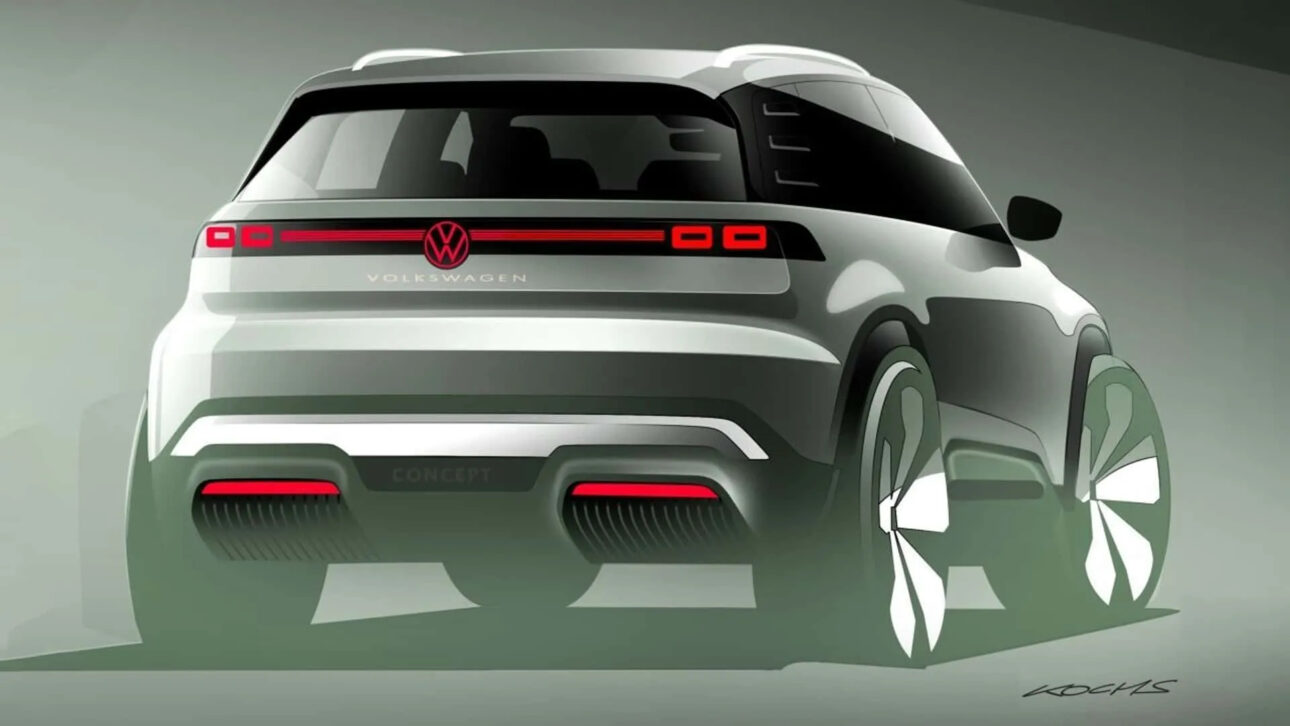
The first images already reveal that the electric T-Cross will have a robust and clean style, with lines aligned with the ID family. The car adopts an urban crossover look, with pronounced wheel arches, an elevated silhouette, and a striking rear spoiler. All of this was designed to convey modernity and efficiency. At the same time, it maintains the versatility that made the original T-Cross a sales success. In other words, the new electric not only connects to the past but also signals the brand’s future.
-
Hilux’s little sister: Toyota relaunches the Land Cruiser 70 in the 2027 lineup with over 40 years of production, a 2.8 turbo diesel engine with 201 hp and 51 kgfm, a six-speed automatic transmission, and a renewed retro look.

-
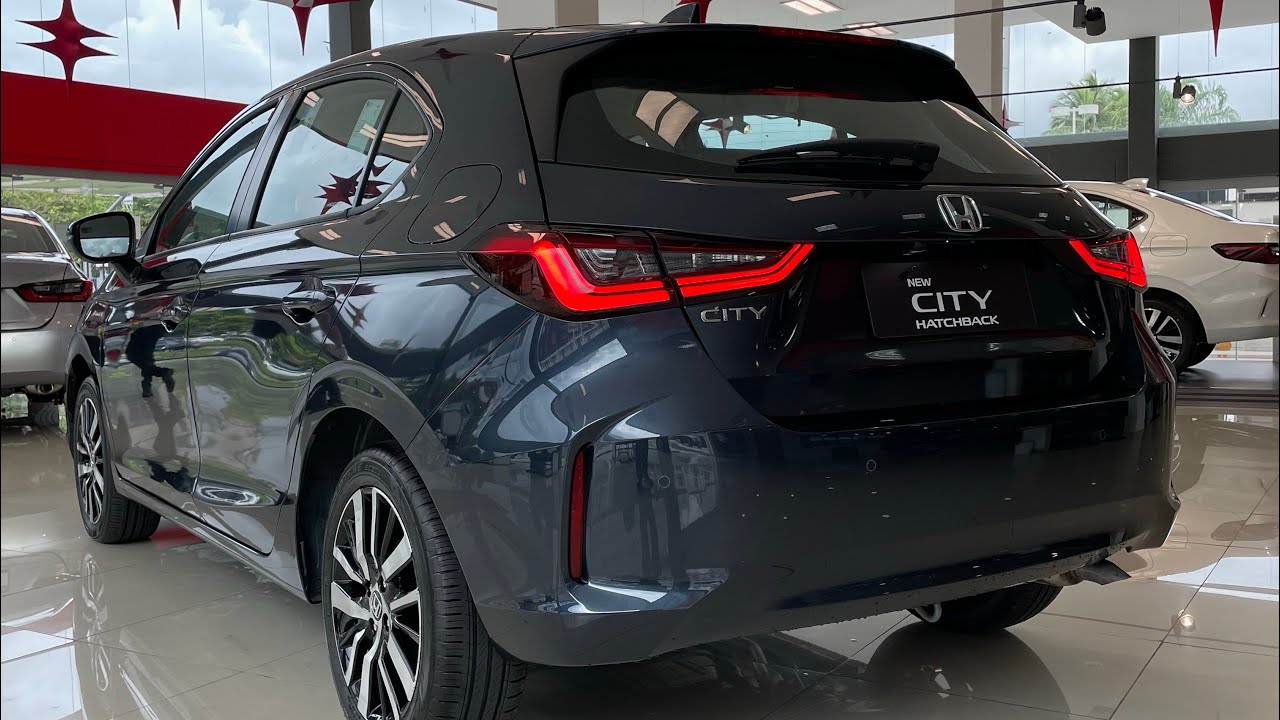
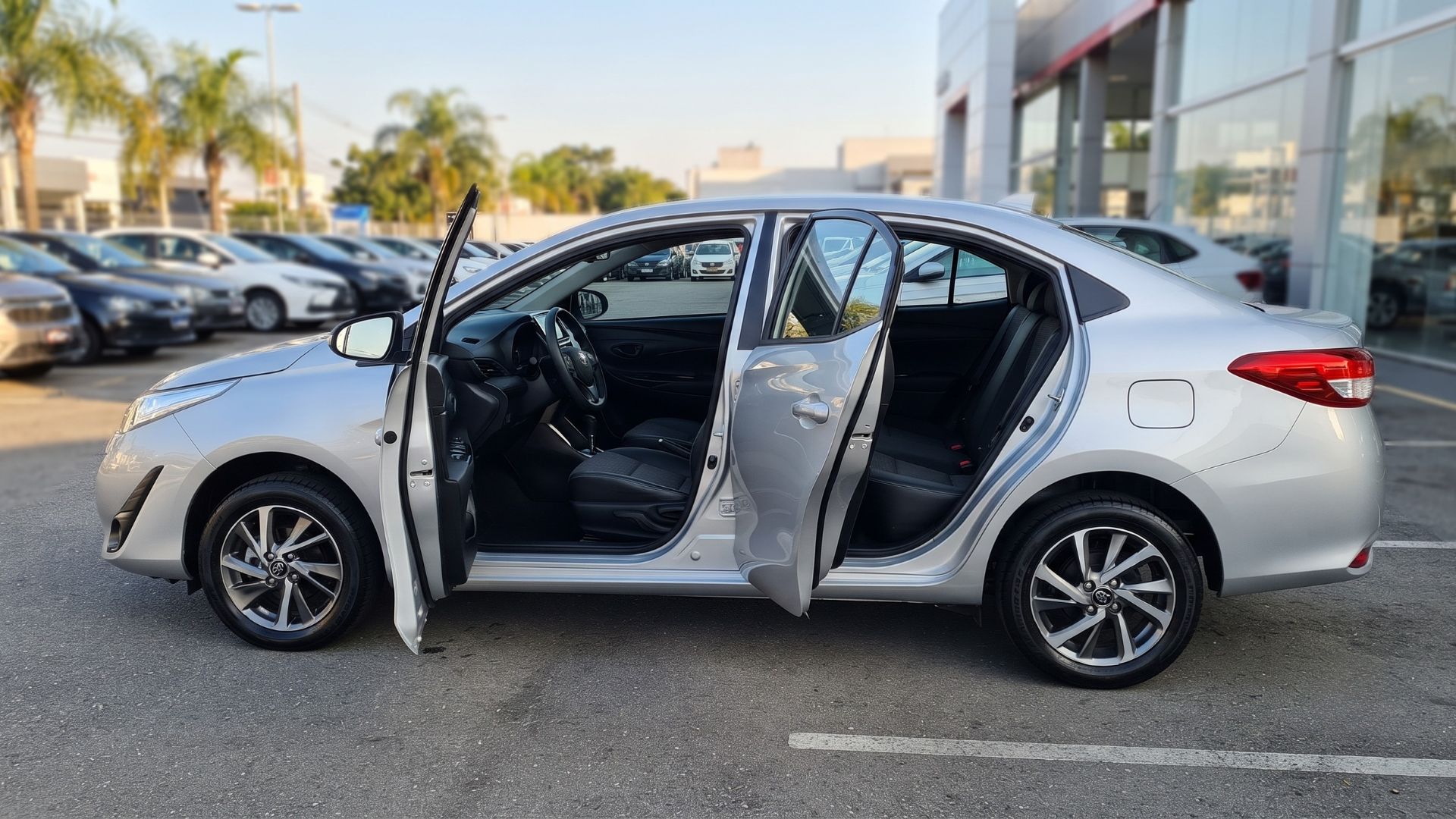
Automatic, economical, and known for reliability: with a 1.5 engine of up to 110 hp, CVT transmission, seven airbags, and fuel consumption of up to 15.9 km/l, this used hatchback appears as a rational alternative to Polo, HB20, and Onix; meet the Toyota Yaris XLS 2020.
-
He surpassed the Tera, Creta, and Tracker: With a TSI engine of up to 150 hp, 6-speed automatic transmission, and a 373-liter trunk, the Volkswagen T-Cross was the best-selling SUV in June, with 11,753 registrations.

-
It looks factory-made, but it came out of a workshop: a mechanic from Pernambuco builds a handcrafted “mini Toyota,” drives it through the streets, and the video goes viral on social media, leaving residents astonished.



Autonomy and Batteries of the Electric T-Cross
One of the main attractions of the electric T-Cross lies in its autonomy. Volkswagen is expected to offer two battery options: one with around 38 kWh and another with 56 to 58 kWh. This ensures up to 450 km of range in the WLTP cycle, making the car competitive against its main rivals. The fast charging system, with a power of up to 125 kW, will allow charging from 10% to 80% in just 20 minutes. This practicality is one of the advantages to convince consumers who are still hesitant about the use of electric vehicles in their daily lives.
Performance Designed for City and Highway
Despite being a compact SUV, the electric T-Cross does not fall short on performance. It is expected to come equipped with a front motor of approximately 223 hp, enough to ensure quick responses in urban traffic and safety in overtaking on the highway. The balance between energy efficiency and power puts the model on equal footing with competitors like the Peugeot e-2008 and the Renault 4 electric, reinforcing its position as one of the most promising electric vehicles of the next generation.
Competitive Price Below €30,000
Another point that is likely to attract consumers is the price. The electric T-Cross is expected to cost less than €30,000, around R$ 170,000 in direct conversion. This price range puts the car on the same level as well-equipped compact combustion SUVs. By democratizing access to an electric SUV, Volkswagen positions itself to expand market share, targeting not only technology enthusiasts but also families that currently choose the T-Cross or its direct competitors.
The Impact of the Electric T-Cross on the Market
The arrival of the electric T-Cross represents more than just the launch of a new model. It demonstrates Volkswagen’s strategy of betting on accessible electrification. The company plans to launch nine electric vehicles by 2027, and this compact SUV will play a central role in expanding the brand’s reach. If before, the ID line cars seemed distant for the average consumer, now the “electric T-Cross” emerges as a game changer, ready to conquer the streets.
The main differentiator of the electric T-Cross is its ability to balance three rare elements together: competitive price, generous autonomy, and modern design. By replacing the traditional T-Cross, the model takes on the responsibility of maintaining leadership in a competitive and popular segment. More than just a car, it will symbolize the transition: from a market dominated by combustion engines to a sustainable, urban, and technological future.