Andean community of Chullpia, in Peru, has started using floating solar panels to pump water and irrigate pastures in a region affected by drought, frost, and lack of electrical infrastructure. System installed in high-altitude lagoon helps rural families maintain herds, reduce losses, and face periods of irregular rainfall.
In the Peruvian Andes, residents of Chullpia, in the Puno region, have started using floating solar panels to pump water from a lagoon and irrigate pastures in an area marked by drought, frost, depleted soil, and limited access to electricity.
According to the United Nations Development Programme, the installation comprises 34 solar modules mounted on a structure of metal and recycled rubber, responsible for capturing enough energy to supply the pumping system used daily by the community.
During the day, the electricity generated by the panels powers a motor that sends water to 11 reservoirs used for irrigating pasture areas, reducing dependence on rainfall in a region marked by prolonged drought periods.
-
Scientists Convert Food Waste into Aviation Fuel, Successfully Test 50% Blend with Conventional Kerosene to Cut Emissions and Promote Sustainable Flights

-
OnePlus N6 Smartphone to Launch in India with 8,000mAh Battery and 45W SuperVOOC Charging, Lasting Up to Three Days
-
Scientists Plan to Release Air Bubbles Underwater to Protect Antarctica’s “Doomsday Glacier” from Melting

-
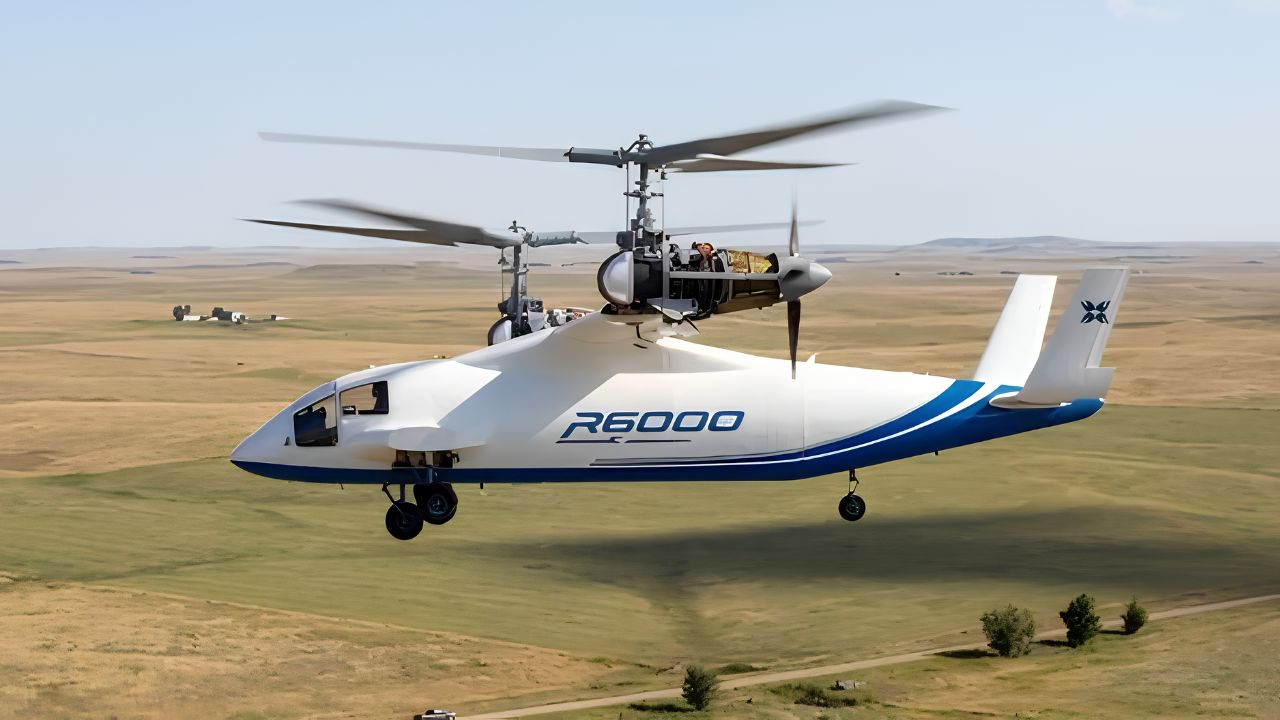
Chinese R6000 Drone Combines Airplane and Helicopter Features, Carries Up to 12 People for Multiple Missions


At about 4,000 meters above sea level, the Chullpia lagoon has been part of the residents’ routine for decades, although there was a lack of infrastructure capable of transforming that volume of water into a regular source of agricultural irrigation.
Without easy access to the conventional electrical grid and facing high fuel costs, local families needed to find an alternative that would allow them to distribute water to productive areas even during the driest periods of the year.
Solar irrigation helps pastures and herds in the Andes
The water drawn from the lagoon is mainly used for the recovery of pastures intended for feeding alpacas, llamas, and vicuñas, animals that remain at the center of the rural economy in various high-altitude areas of southern Peru.
In addition to providing fibers used in textile production, the herds support traditional activities that are part of the income and permanence of families in the Andean territory, where agriculture remains highly dependent on climatic conditions.
When the rain decreases for long periods, the pastures dry up quickly, the soil loses productive capacity, and the animals face feeding difficulties, causing direct impacts on rural production and community sustenance.
In this scenario, solar-powered irrigation has become a tool for climate adaptation, allowing part of the green areas to remain productive even during more intense drought periods.
In practice, the system operates relatively simply, as the modules installed over the lagoon capture solar radiation during the day and transform this energy into electricity to activate the water pumping.
After passing through the reservoirs built by the community, the water continues to the grazing areas and helps maintain vegetation during periods when the rains are no longer sufficient to sustain the productive soil.
Solar energy project arose from local necessity
The initiative arose from the proposal of Juansergio Castro, a resident of Chullpia with a degree in Agricultural Sciences from the University of the Altiplano, who was seeking a way to use the local lagoon to combat pasture degradation.
In a report to UNDP, Castro explained that the community always had water accumulated in the lagoon, although there was a lack of a system capable of efficiently extracting and distributing this resource for irrigation.
To get the project up and running, the residents participated in the installation of the pipelines and the construction of the reservoirs, in a process that required collective work and adaptation to the harsh conditions of the Andean region.
According to the report released by UNDP, the community also faced difficulties during implementation, including damage caused by heavy rains that affected part of the structure before the system’s final completion.
With the panels in operation, the lagoon became part of the productive routine.
The choice of floating modules also avoids occupying land areas that can be used for grazing or other agricultural activities, a relevant point in regions where each productive area has economic weight.
Renewable technology advances in rural areas of Peru
The experience of Chullpia has started to draw attention precisely because it shows a direct application of solar energy in an isolated rural community, connecting renewable technology to a concrete need linked to local economic survival.
Instead of operating as a large plant distant from the reality of the residents, the system was incorporated into the daily life of the community to pump water and preserve essential grazing areas for the herds.
At the same time, the proposal reduces the dependence on diesel-powered engines, whose supply is usually expensive and logistically complex in locations far from major urban centers.
It also decreases the vulnerability of families in the face of electrical supply failures or the absence of conventional infrastructure, a situation still common in different high-altitude rural regions in Peru.
The UNDP states that the region is already experiencing effects associated with climate change, such as droughts, frosts, and more unpredictable storms.
In this context, reliable irrigation systems help protect rural production and reduce losses during periods of greater instability.
Community maintains tradition with the support of irrigation
Even with technological advancement, traditional management remains at the center of the recovery of productive areas, as irrigation directly depends on the correct distribution of water and continuous care of the soil.
Over generations, residents have accumulated knowledge about the climate, the behavior of pastures, and livestock farming at altitude, experience that remains fundamental to the functioning of the system.
According to the UNDP, the combination of solar technology and community knowledge allows for maintaining green areas even during the dry season, a period when vegetation normally suffers accelerated losses in the region.
With greater availability of food in the pastures, animals find more stable feeding conditions, a factor considered important to reduce losses associated with prolonged drought periods.
The experience gained prominence for transforming a high-altitude lagoon into an active part of rural production.
For families that previously depended almost exclusively on rain, solar pumping increased the predictability of work in the field.
The project does not alone solve structural problems such as rural poverty, isolation, and climate vulnerability.
Even so, it offers a concrete adaptation tool for communities that need to keep animals fed, soil productive, and regular access to water.