Portuguese
  Spanish


Mineral material used in dry construction systems advances in projects that require greater resistance to moisture, fire, and impact, expanding the space for technical solutions aimed at facades, walls, and critical areas of civil construction with a focus on durability, stability, and less need for maintenance.
The magnesium oxide panel, known in the market as MgO board, has started to gain ground in projects that require greater resistance to moisture, fire, and impact, appearing as a technical alternative to common gypsum boards, OSB, plywood, and cement panels in specific civil construction applications.
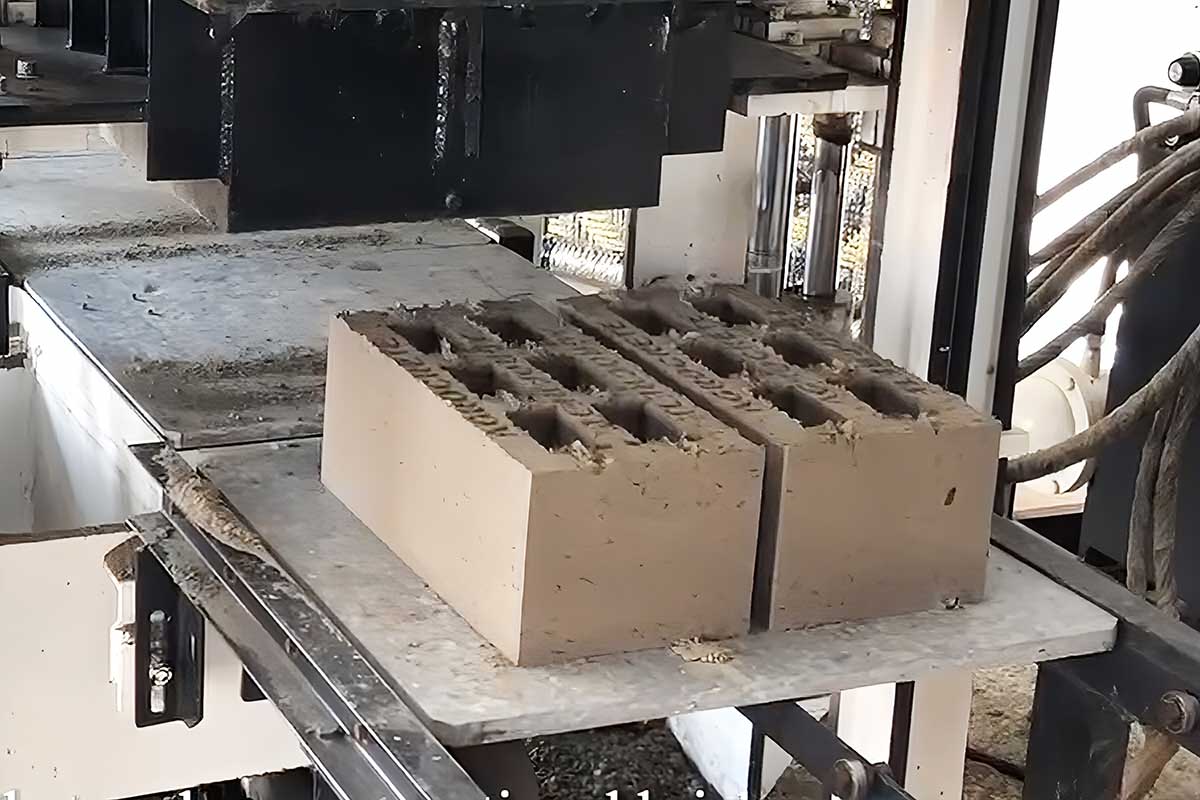
Produced from mineral compositions with magnesia, magnesium salts, fillers, additives, and internal reinforcements, the material forms a rigid sheet used in walls, ceilings, protected facades, substrates, and dry systems, although the final performance depends on the formulation, tests, and construction system adopted.
MgO panel grows in projects with high humidity
The demand for MgO follows the advancement of projects that require more stable materials in areas subject to humidity, thermal variations, and constant physical wear, especially in construction systems where the durability of the substrate directly affects the maintenance and performance of the project.
-
28-meter, 156-ton titans traveled 20,000 km from China to the port of Santa Catarina: Portonave received 7 fully electric megacranes, part of a R$ 210 million package, to double container handling.

-
They exchanged the idea of a large house for a 35 m² warehouse, spent US$ 12,000 on the structure, and created a tiny house in Colorado with space to live and work.

-
A newly opened terminal in the middle of the Amazon has begun transporting soy and corn through Amapá, eyeing the queue of ships that is congesting the ports in the South.

-
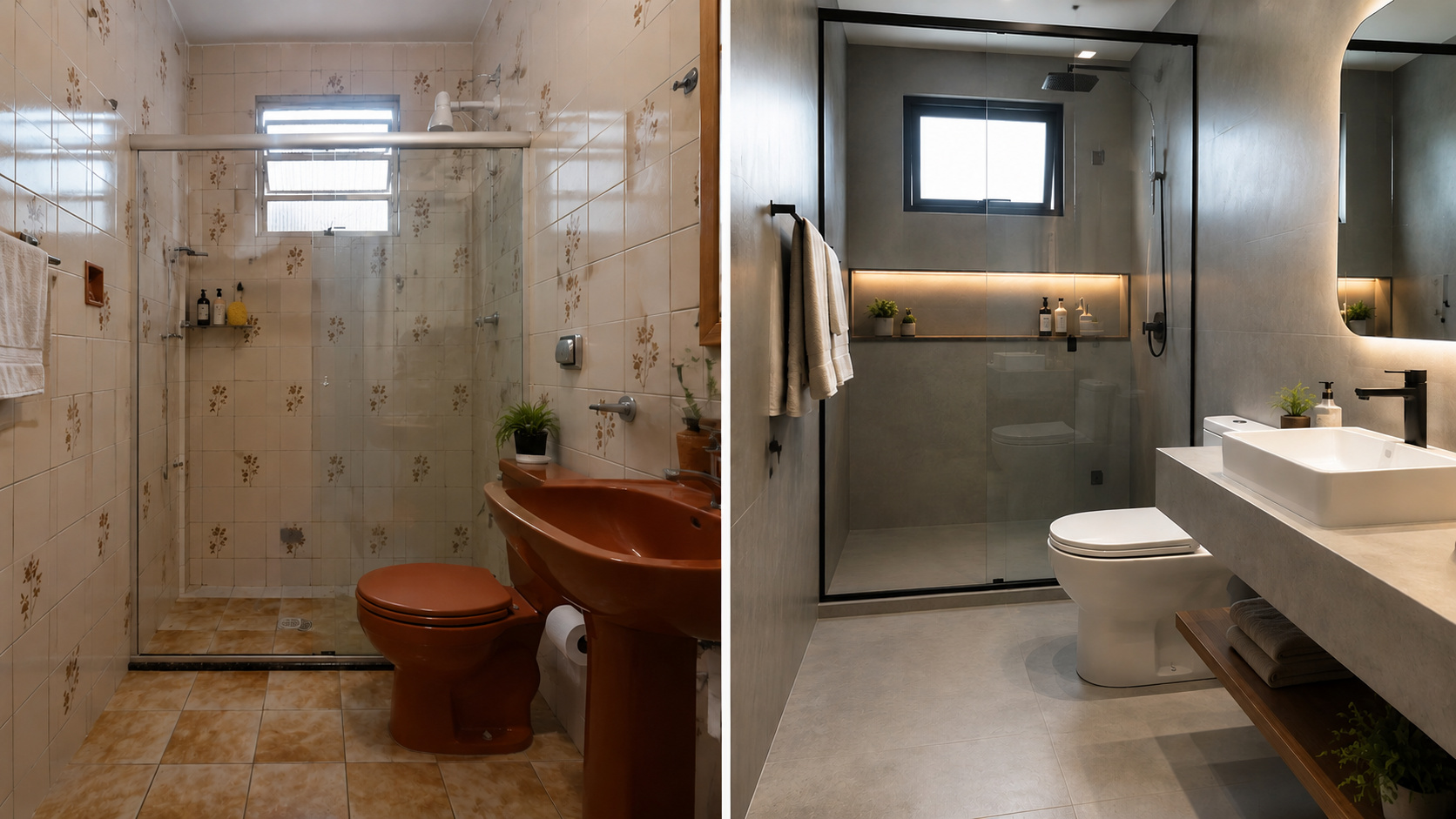
Goodbye to old tiles: renovation technique without construction transforms bathrooms in a few hours, eliminates debris, and reduces costs with coverings using special paints, high-resistance adhesives, and modern finishes that completely renew the space.


Instead of appearing as a decorative finish, the panel usually functions as a base for paint, coatings, membranes, mortars, and facade systems, increasing the interest of builders and designers seeking more robust solutions for environments considered critical.
According to a technical document from DuPont on magnesium panels, the material has come to be treated as a modern solution by combining fire resistance, dimensional stability, water resistance, and lower vulnerability to biological degradation, in addition to serving as an alternative to gypsum, OSB, plywood, and cement boards in certain applications.
The main difference compared to common gypsum lies in the mineral composition and behavior in the presence of moisture, as traditional boards may lose performance when exposed to persistent infiltration or inadequate applications, while MgO is usually specified for systems with higher technical requirements.
Even so, water resistance does not eliminate the need for strict installation criteria, because durability depends on the quality of the product, the protection of the envelope, ventilation, fasteners, joints, and the compatibility between all the components used in the project.
Fire and impact resistance drives adoption
Due to its mineral base, the magnesium oxide panel is often commercially presented as less prone to rotting, fungi, and biological degradation than engineered wood panels, a feature valued in projects where OSB and plywood require additional protection against moisture.
In addition to water resistance, its performance against fire has also increased interest in the material, as MgO belongs to a family of inorganic cementitious products often specified in systems where reaction to fire directly influences the safety of the construction ensemble.
In multifamily buildings, separation walls, facades, technical areas, and light enclosures, this performance can influence the choice of architects and engineers, although the comparison needs to consider tests of the complete system and not just commercial descriptions presented by manufacturers.
Another point frequently cited by the sector is the resistance to impact and screwing, as panels used in dry construction need to withstand transport, handling, fixation, application of coatings, and subsequent efforts without causing rework due to deformations or premature breaks.
Civil construction seeks more durable materials
The advancement of MgO accompanies a broader transformation in civil construction, driven by the growth of light facades, retrofitting, fast construction, and dry systems, where the panels arrive ready for assembly and help reduce wet stages on the construction site.
Even with this growth, traditional materials remain relevant in the market, especially because common gypsum still remains competitive due to its price, availability, ease of finishing, and wide availability of specialized labor.
In simple and dry indoor environments, gypsum can still represent the most rational solution from a technical and economic standpoint, while MgO tends to gain space in projects that require higher performance against moisture, fire, impact, or dimensional stability.
For this reason, the choice of system should consider the usage environment, expected lifespan, maintenance risk, and total cost of the work over time, avoiding comparisons based solely on the unit value of each panel.
Certifications and tests define MgO performance
Since there are different formulations of magnesium oxide panels on the market, performance can vary according to manufacturer, thickness, and application, making it essential to analyze technical data sheets, reports, certifications, and compatibility with fasteners and construction systems.
Also for this reason, manufacturers and designers often emphasize that MgO should be treated as part of a complete system, as poorly formulated products or those installed outside recommended conditions may present failures, just as with other construction materials.
Invisible substrate influences the lifespan of the work
Although the final finish is the most visible element for the resident, the substrate installed behind the wall or facade directly influences the system’s resistance, safety, maintenance, and lifespan, especially in areas subject to greater wear or constant moisture presence.
This characteristic differentiates MgO from products with predominantly decorative appeal, as the mineral panel is usually hidden under paint, mortar, membranes, or coatings, functioning more as a technical solution than as a visual element of the work.
The cost of the panel varies according to thickness, certified performance, manufacturer, and function within the construction system, while materials with higher initial performance may require a higher investment, compensated in some cases by the expectation of lower maintenance and greater durability.
In this scenario, the magnesium oxide panel does not automatically eliminate the use of gypsum, OSB, plywood, or cement boards, but expands the set of solutions available for works that require more resistant substrates in walls, ceilings, facades, and technical areas.