






 Portuguese
  Spanish
  3 min of reading
  0 comments


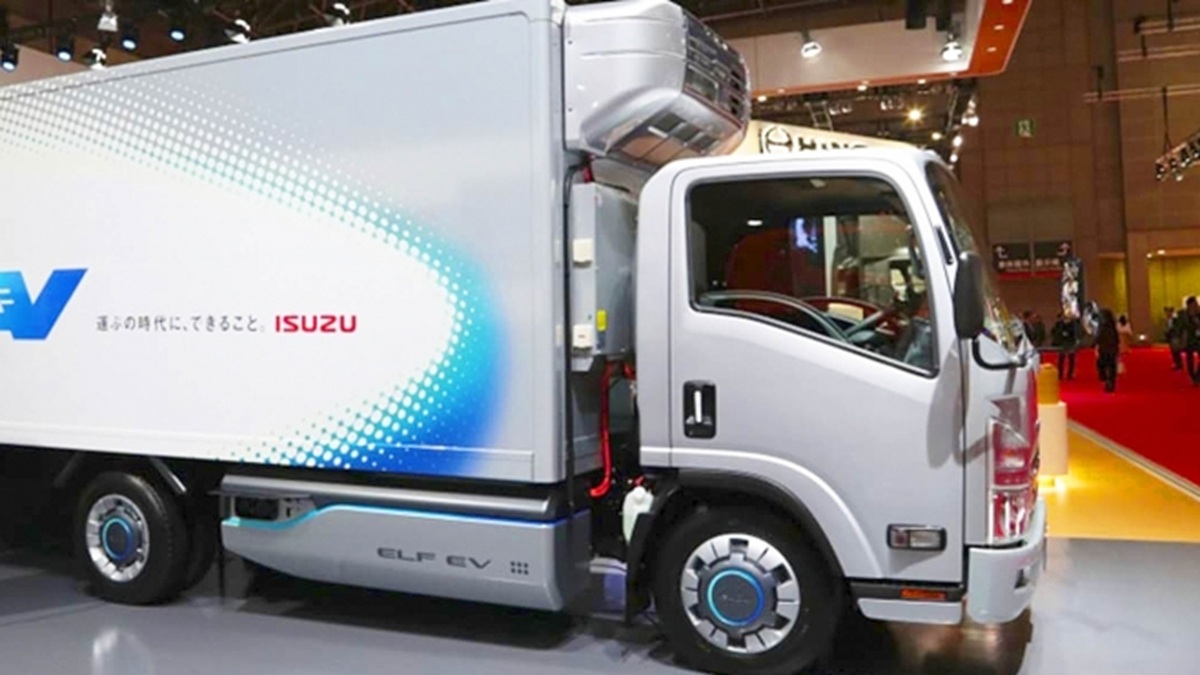
Toyota and Isuzu have reached an agreement to mass-produce, starting in 2027, light electric trucks powered by hydrogen, combining the base of the ELF EV launched in 2023 with the third-generation fuel cell from the Japanese automaker.
The first light electric trucks powered by hydrogen fuel cells will enter the mass production route in 2027, following an agreement between Toyota and Isuzu to jointly develop a new zero-emission commercial model. The initiative combines the platform of the ELF EV light truck, launched by Isuzu in 2023, with Toyota’s third-generation fuel cell system.
The project was presented as part of the two companies’ efforts to advance the decarbonization of commercial transport and increase the use of hydrogen in the logistics sector. The goal is to accelerate the adoption of zero-emission commercial vehicles and help consolidate a hydrogen-based economy.
Toyota and Isuzu reach agreement for mass production
Toyota and Isuzu have reached an agreement to mass-produce a light electric truck with a hydrogen fuel cell. The new vehicle will be developed based on the ELF EV, a battery electric model created by Isuzu and launched in 2023.
-
Uber Faces Shareholder Scrutiny as Board Accused of Ignoring Safety, Compliance, and Harassment Warnings Amid Over 3,500 U.S. Lawsuits

-
Ferrari’s First Electric Car Divides Fans, Priced at $630,000, Amid Concerns Over Limited Editions; Brand Clarifies It’s Not Just for Future Perks
-
BYD Dolphin Mini: The Electric Car That Defies Depreciation, Losing Only 3.58% in a Year and Becoming the Best-Selling Retail Model Under $22,000

-
Electric Car JAC E-JS4 Loses $19,000 in Value in One Year, Leading Record Depreciation of Used Cars in Brazil Due to Expensive Battery and New Models


On this basis, Toyota’s state-of-the-art fuel cell system, identified as the third generation of this technology within the Japanese company, will be integrated. The timeline set by the companies points to 2027 as the year for the start of mass production.
The plan is part of a broader strategy aimed at the electrification of commercial transport and the search for alternatives to fossil fuels in the logistics sector. The two automakers view the project as a practical step to increase the presence of hydrogen on the streets.
Why hydrogen electric trucks are a bet for logistics
Light commercial vehicles play a central role in urban and regional distribution, frequently used for deliveries to supermarkets, convenience stores, and other essential services. In many cases, they operate with refrigeration or freezing and travel different routes throughout the day, which increases the demand for range and availability.
In this scenario, refueling time becomes crucial for operation. Unlike battery electric vehicles, which require longer charging periods, fuel cell models use hydrogen and allow for faster refueling, in addition to offering greater range.
Toyota and Isuzu point out that this feature makes the technology particularly suitable for high-utilization environments, where logistical efficiency and vehicle availability directly impact daily operations. At the same time, FCEVs maintain the advantages of electric mobility, such as zero CO2 emissions during operation and lower noise and vibration levels.
New generation of system and previous experience support the project
The new truck will receive Toyota’s third-generation fuel cell, with improvements aimed at increasing the durability of the system and extending the vehicle’s lifespan. The development leverages the experience gained from the previous collaboration between the two companies, particularly with the ERGA FCV fuel cell bus.
This previous partnership brought advancements in technologies and control systems, focusing on the reliability, quality, and durability of fuel cells in commercial transport applications. Now, the new phase aims to adapt these advancements to the specific needs of light cargo transport.
Isuzu will continue to use its I-MACS development platform, a structure that allows for the flexible combination of different components and systems to meet the needs of each vehicle and keep pace with future technological changes. This foundation will support the adaptation of the new model within the companies’ joint strategy.
Toyota maintains hydrogen among its main energy bets and is working on solutions related to the production, transportation, storage, and use of this vector in partnership with different industrial sectors. In parallel, Isuzu aims to expand its line of hydrogen commercial vehicles, reinforcing the presence of electric trucks within this transition movement in commercial transport.





Be the first to react!