Portuguese
  Spanish


According to The B1M, Parsons and ENR, Dubai plans deep sewage tunnels to replace pumping stations, reduce energy consumption, and connect the system to Warsan and Jebel Ali, in a US$ 22 billion project approved in 2023 and structured by PPP after decades of accelerated local urban growth.
Dubai is preparing one of the most ambitious underground works of its infrastructure: sewage tunnels that can reach 90 meters deep and are part of the Dubai Strategic Sewerage Tunnels, a project estimated at US$ 22 billion within a public-private partnership model.
The attached sources show that the proposal is to replace a fragmented and pump-dependent system with a network mainly driven by gravity. The goal is to reduce energy consumption, cut emissions, eliminate old stations, and prepare the city for an expanding population.
Old system became too small for Dubai’s pace
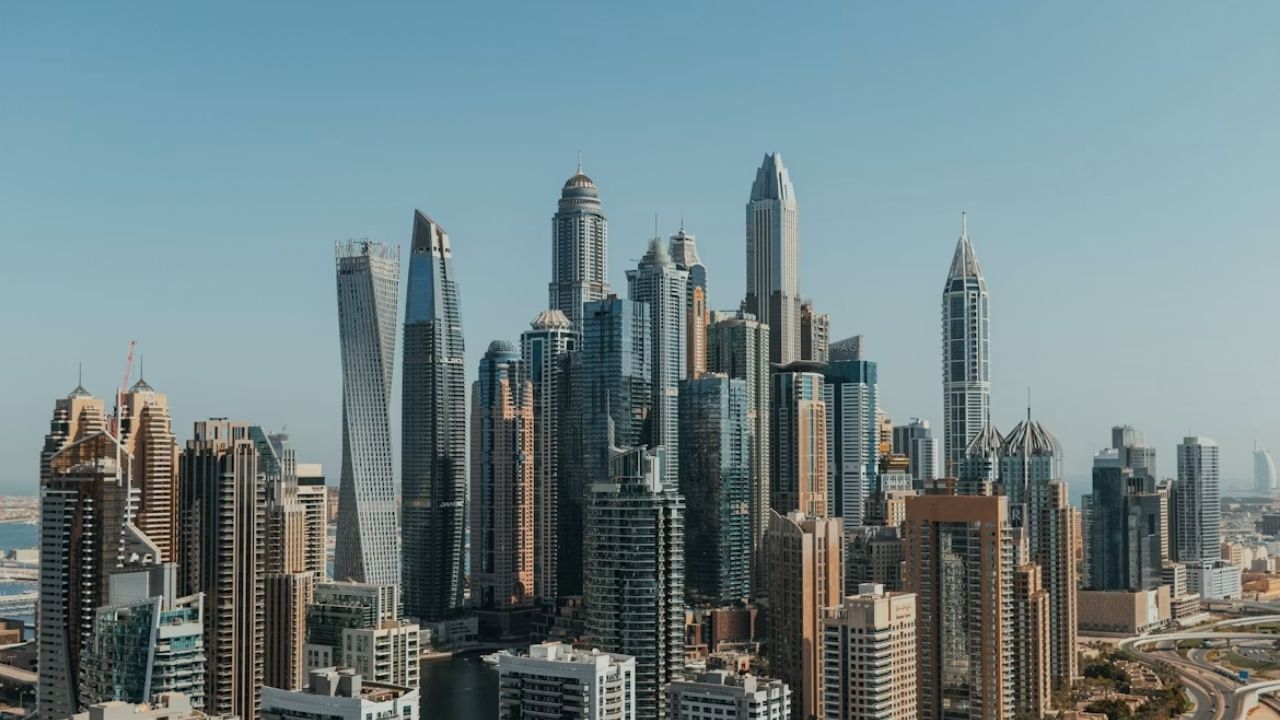
Dubai grew rapidly in just a few decades, with skyscrapers, artificial islands, dense neighborhoods, and new urban areas. According to The B1M, the sewage infrastructure did not advance at the same pace and came to rely on local networks scattered throughout the city.
-
The history of the Hercílio Luz Bridge involves controversies, love, and renewal: From its iconic construction to its reopening, it is a symbol of Santa Catarina.
-
On the world’s highest navigable lake, the Uros people have hand-built around 100 floating straw islands, living on them for 3,000 years without concrete or foundations.

-
Newly Completed Brazilian Highway in the Serra da Rocinha Becomes a 16.5 km Cycling Challenge and Boost for Local Tourism

-
Innovative Mortar Technique Enhances Porcelain Tile Stability, Reduces Buckling and Detachment Risks, and Provides Durable Finish Under Heavy Use



Instead of an integrated system, the city relied on many pumping stations. Parsons reports that the project aims to eliminate more than 100 stations by converting the current network to a gravity system. In practice, Dubai wants to remove energy from the center of the operation and let the sewage flow downhill to the terminal stations.
Sewage tunnels will have main sections and deep connections
The B1M reports that the project includes two main tunnels, totaling 75 kilometers, in addition to 140 kilometers of support tunnels. ENR also describes the system with deep underground connections that will cross Dubai and connect existing facilities to the main tunnels.
The construction will have sewage tunnels built up to 90 meters below the surface. The depth helps reduce interference with traffic and urban areas, a concern also cited by Parsons when explaining that the deep design avoids greater impacts compared to traditional open excavation methods.
Gravity Replaces Old Pumps
The technical heart of the plan is the replacement of a pumped system with a gravity-fed system. Instead of pushing sewage through dozens of stations throughout the city, the tunnels will be constructed with a calculated slope to allow the flow to follow naturally.
This model does not completely eliminate pumping, but reduces its presence along the route. Sources indicate that the sewage will flow to deep terminal stations in Jebel Ali and Al Warsan, where it will be elevated in the final meters for treatment, purification, and reuse.
Bur Dubai and Deira Will Have Main Tunnels
The project divides the two main axes in strategic areas of the city. According to The B1M and ENR, the Bur Dubai Deep Tunnel will be about 50 kilometers long and will pass through some of the most densely populated regions of Dubai.
The Deira Deep Tunnel will be about 25 kilometers long and will serve the old areas of the city, including the region connected to Dubai International Airport and the historic markets. The logic is to create an underground backbone for a city that has grown faster than its sewage network.
Project Aims to Reduce Energy, Emissions, and Operational Cost
Parsons states that the objectives include reducing the overall cost of wastewater treatment in the emirate, decreasing carbon emissions, reducing energy consumption, and preparing Dubai for the anticipated population growth.
This point is central because the sewage tunnels are not just an expansion project. They reorganize the way the system works. Fewer scattered pumps mean fewer old equipment, less electrical dependency, and a network with operations more concentrated in strategic facilities.
Previous Issues Increased Pressure on the Project
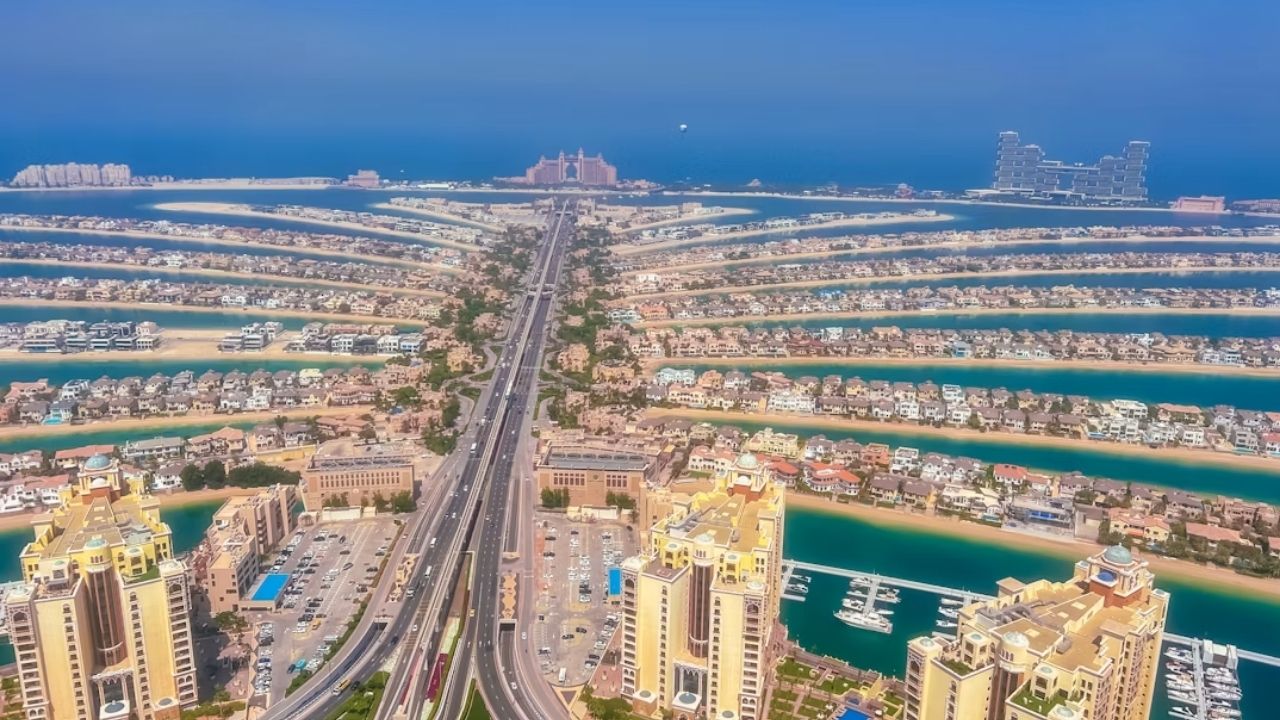
The B1M reports that Dubai has already faced episodes where system limitations became visible on the streets. In 2018, there was a record of raw sewage on the roads in the Palm Jumeirah area, linked to the overload of a temporary treatment station.
Another milestone was April 2024, when the United Arab Emirates faced the largest rainfall since records began, according to The B1M. The event caused flooding, affected airports and roads, and generated reports of sewage mixing with floodwater in different parts of the emirates.
Billion-dollar PPP will have packages in Warsan, Jebel Ali, and Links
Smart Water Magazine reports that the Dubai Municipality has chosen preferred bidders for the first packages of the Dubai Strategic Sewerage Tunnels. The project involves J, W, and Links packages, connecting deep tunnels to treatment plants in Warsan and Jebel Ali.
ENR details that Package W involves Warsan and Package J involves Jebel Ali, in addition to a Links package to build over 200 kilometers of underground link tunnels. The financial structure cited by sources provides for long-term concessions in a design, build, finance, operate, and maintain model.
Deadlines still vary according to the source
Sources indicate that the project was approved by the Executive Council of Dubai in 2023. Parsons reports that the system will be delivered in packages, while Smart Water Magazine points out that the packages have 30-year concessions.
Regarding completion, there is caution. The B1M states that there is no official date set, although the broad expectation is for the early 2030s. ENR, on the other hand, cites infrastructure with a completion horizon between 2030 and 2056, within the total cycle of the megaproject and operational concession.
A city from top to bottom
Dubai became known for visible works: towers, artificial islands, avenues, and planned neighborhoods. Now, the sewage tunnels show a less photogenic but crucial stage to sustain this growth.
The question is whether large cities should invest earlier in this type of invisible infrastructure before the problem reaches the streets. Do you think underground works like this are as important as airports, bridges, and skyscrapers for the urban future? Leave your opinion in the comments.