Portuguese
  Spanish


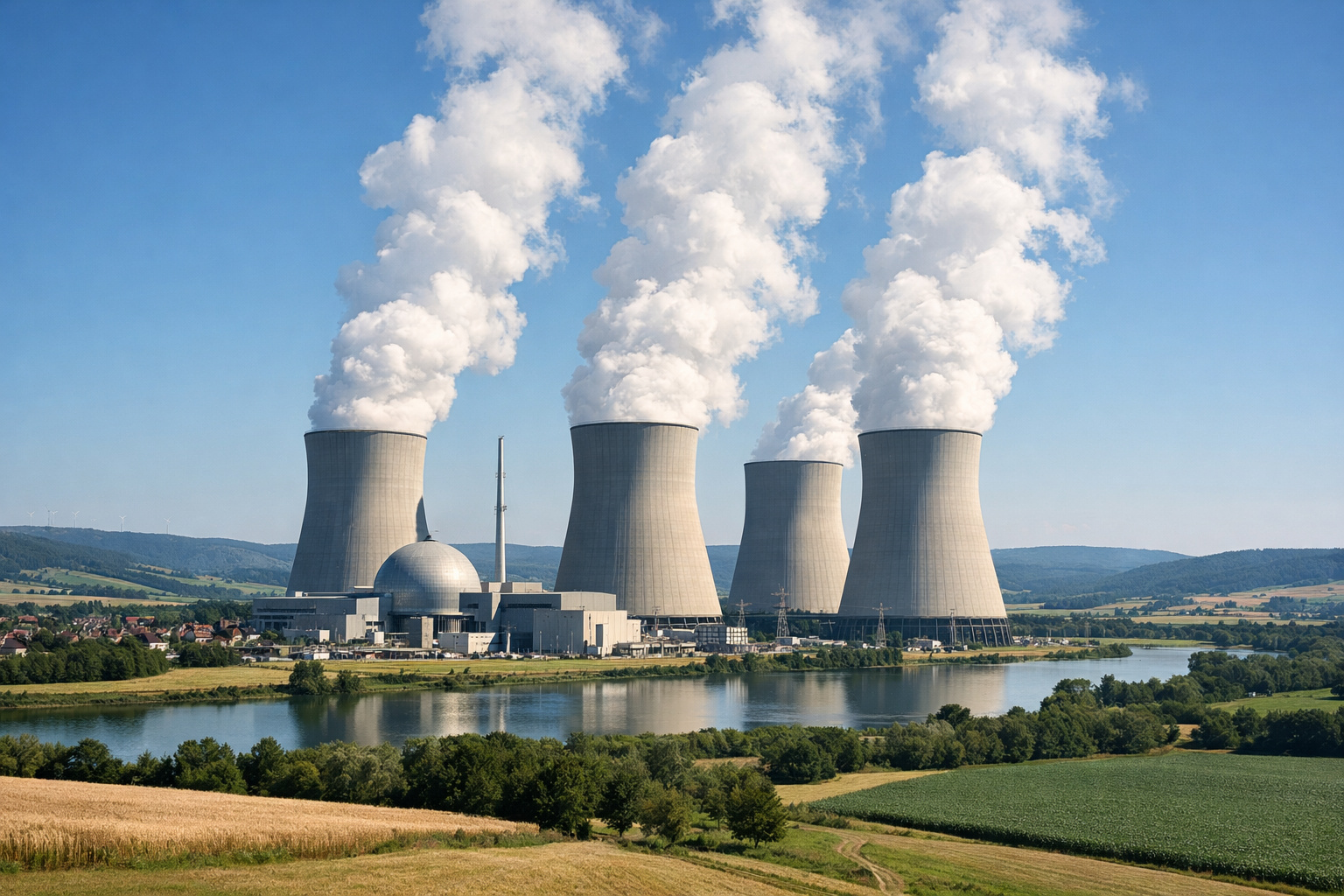

The French energy model becomes a global reference by combining efficiency, low carbon emissions, and strategic use of nuclear energy
While many countries still face challenges in expanding their energy production — especially when it comes to nuclear projects, which can take over a decade from planning to operation — France has followed a consistent path over the years and built one of the most stable electricity matrices in the world.
This information was highlighted by educational content from the platform “Teachy”, which analyzes the global nuclear energy scenario and its impacts, reinforcing France’s leadership in using this technology as a long-term energy solution.
How nuclear energy works and why it is strategic
First of all, it is important to understand how this energy source works. Nuclear production occurs through a process called nuclear fission, in which heavy atoms, such as uranium, are split, releasing a huge amount of energy.
-
Denmark Constructs World’s Largest Immersed Tunnel to Connect with Germany, Sinking 217-Meter Concrete Sections in the Baltic Sea

-
Low-Cost Concrete Panel House Goes Viral: Investor Reveals Prefabricated Kit Structure for Around $1,500, Assembled in 30 Days, with Plans for Rental and Resale Income

-
Polymeric Mortar Revolutionizes Brazilian Construction with Efficient, Clean Application and Uniform Finish

-
Biologist Builds 160m² Dream Home in Brazil for $32,000 Using Eco-Friendly Bricks, Achieving 67% Savings Through Smart Planning and Simple Solutions


This energy is used to generate steam, move turbines, and produce electricity on a large scale. Unlike sources such as solar and wind, nuclear energy does not depend on weather conditions, which ensures greater stability in supply.
Moreover, one of the main attractions of nuclear energy is its low greenhouse gas emissions, making it a relevant alternative in the fight against climate change.
France leads with about 70% of electricity coming from nuclear
In this global scenario, France stands out as one of the main examples. Currently, about 70% of the country’s electricity is generated by nuclear power plants, a figure well above the global average.
This strategy has consolidated the country as a reference in energy security, as production is continuous and less vulnerable to external fluctuations, such as crises in oil or natural gas.
Additionally, countries like China and the United States also appear as leaders in nuclear production, but none with a level of dependence as high as the French model.
Advantages: energy efficiency and emission reduction
Among the main positive points of nuclear energy, the following stand out:
- low carbon emissions
- high energy efficiency
- continuous generation capacity
- lower dependence on fossil fuels
These factors make nuclear energy a key player in the so-called global energy transition, especially in a scenario of increasing electricity demand.
Therefore, in the French case, the massive use of this technology directly contributes to the reduction of emissions and the stability of the electrical system.
Challenges and risks still generate global debate
On the other hand, nuclear energy also raises important concerns. Among the main challenges are:
- risk of nuclear accidents, such as the cases of Chernobyl and Fukushima
- safe storage of radioactive waste
- high initial construction costs of power plants
- need for strict safety protocols
These factors cause many countries to still hesitate in expanding their nuclear programs, despite the benefits.
Moreover, the management of nuclear waste remains one of the greatest technological and environmental challenges, requiring long-term solutions and rigorous monitoring.
Safety and regulation are fundamental pillars
In light of these risks, nuclear safety has become a global priority. Plants must adhere to extremely strict standards to avoid failures and protect both workers and the population.
In this regard, government regulation plays an essential role, ensuring that best practices are applied and that new technologies are constantly incorporated to reduce risks.
Additionally, international cooperation has been crucial for sharing knowledge and continuously improving safety standards.
The future of nuclear energy in the world
With the advancement of discussions on sustainability, nuclear energy returns to the center of global debate. After all, it offers a low-carbon solution, but still faces resistance due to safety and cost issues.
Thus, experts point out that the future of the world’s energy matrix may involve a balanced combination of different sources — including nuclear, solar, wind, and hydroelectric.
In the case of France, the model shows that, with long-term planning, continuous investment, and strong regulation, it is possible to build an efficient and relatively clean energy system.
A model that inspires — but also raises questions
Therefore, the French experience reveals two important sides. On one hand, it proves that nuclear energy can ensure stability and reduce emissions on a large scale. On the other hand, it reinforces that challenges such as safety, cost, and waste still need to be addressed.
Thus, the debate remains open: will nuclear energy be a protagonist in the sustainable future or just part of a broader solution?