






 Portuguese
  Spanish


Project by a public school student from Vitória shows how seeds sent in high-altitude balloons can bring space science, solar radiation, germination, and international research closer to the school routine, with an experiment that is simple to visualize and has a strong impact on Brazilian students
A public school student from Vitória had an experiment with seeds launched on an international mission linked to NASA to investigate the effects of solar radiation on plant germination and growth.
The information was released by the Government of Espírito Santo/Sedu, the state public body responsible for official information from ES. The protagonist of the story is Bárbara Rezende Martinelli, a student at the Escola Estadual de Ensino Fundamental e Médio Irmã Maria Horta, in Vitória, Espírito Santo.
The experiment was launched on August 21, 2025 and draws attention for turning space science into something easy to understand. Instead of complex machines or equipment far from the school reality, the research uses seeds, comparison between samples, and observation of plant growth.
-
Strawberry Moon to Be Visible in Brazil on Monday (29th); Here’s When and How to Watch

-
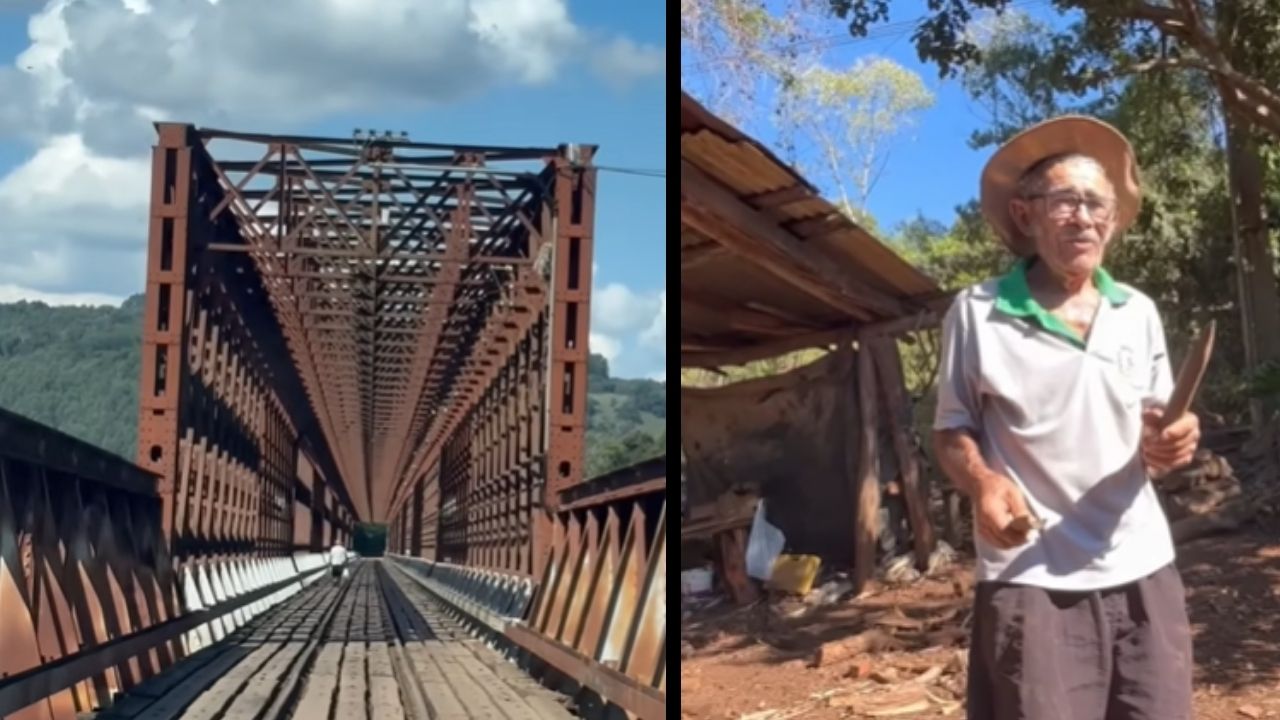
Driver Crosses 100-Year-Old Railway Bridge Over Uruguay River, Encounters Rural Couple Preserving Traditional Farming Methods
-
Rural Producer Returns to Brazilian Farmland, Builds Family Agricultural Business with Children’s Support and Industry Backing
-
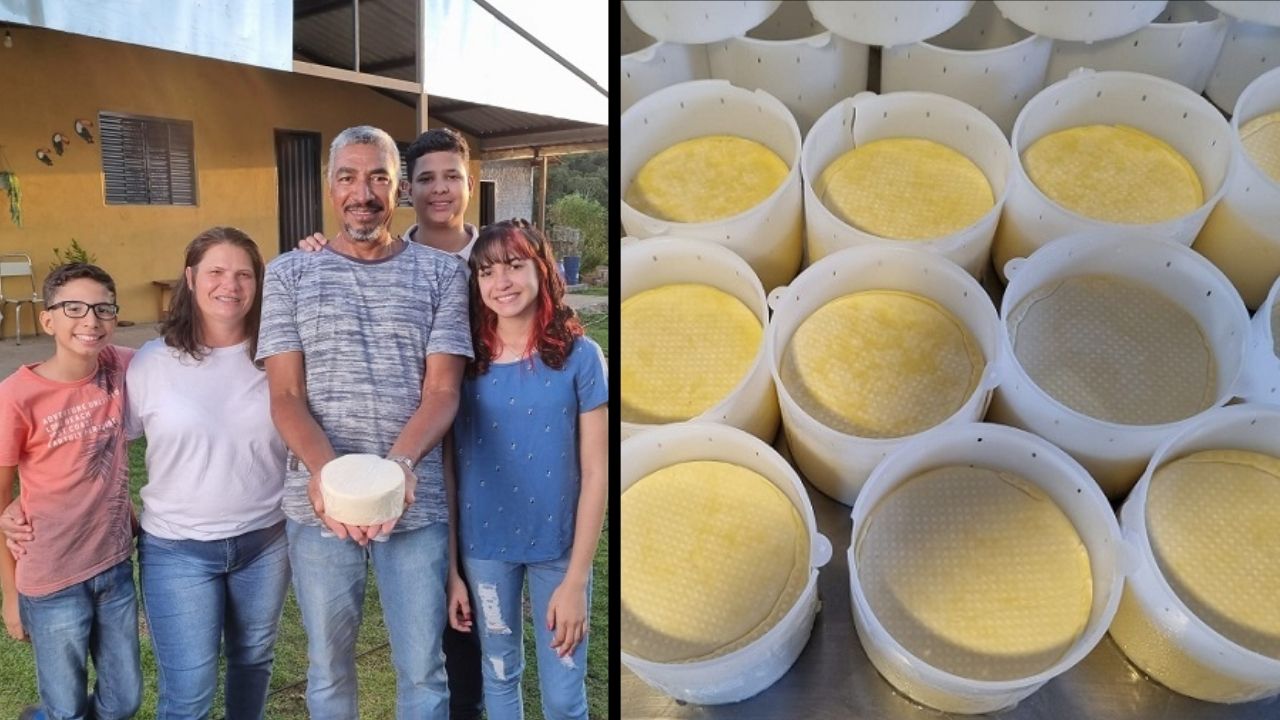
Goiás Couple Boosts Artisan Cheese Production from 25 to 70 Kilos Daily with Technical Support, Transforming Family Life in Rural Brazil


Public school student from Vitória took school science to a mission linked to NASA
Bárbara Rezende Martinelli was selected after an evaluation process and represented Brazil alongside another student from Paraná. The work was guided by professor Luiz Gustavo Gomes.
The mission brought together ten students from countries such as Brazil, United States, Ghana, Liberia, Saudi Arabia, and the Philippines. The participation of the student from Espírito Santo gained strength by showing a public school student in an experience with international reach.
The project was named STEM, Experiment on NASA Flight RB 10. The proposal was to send seeds in high-altitude atmospheric balloons and then analyze if the exposure would affect the germination and growth of the plants.
How seeds in high-altitude balloons help explain solar radiation
The experiment has a simple logic. Some of the seeds were sent in high-altitude balloons. Another part remained on the ground to serve as a comparison.

After the return of the samples, observation allows for comparing the behavior of the seeds that went up with the behavior of the seeds that remained on Earth. The central point is to verify differences in germination and plant growth.
Germination is the moment when the seed begins to sprout. Therefore, the experiment is easy to follow, even for those who have never studied space science. The question is straightforward: can solar radiation change the initial development of a plant?
Government of Espírito Santo/Sedu detailed the selection and participation of the student from Espírito Santo
Government of Espírito Santo/Sedu, the state public agency responsible for official information of ES, detailed Bárbara’s participation in the international mission and the selection of the scientific project.
The presence of a student from the state network in this type of initiative strengthens the image of public school as a space for research, curiosity, and creation. Science ceases to seem restricted to large centers and starts to appear within the classroom.
The case also shows the importance of teacher guidance. With the supervision of professor Luiz Gustavo Gomes, the project took shape and reached a mission linked to NASA, with students from different countries.
Why an experiment with seeds can draw so much attention
Seeds are part of something known by almost everyone. Many people have already seen a seed sprout in cotton, in a pot, in a garden, or in the backyard. This makes the experiment closer to real life.
The difference lies in the path taken by these seeds. By being sent in high-altitude atmospheric balloons, they went through a situation different from the seeds kept on the ground.
This comparison is the heart of the research. When two samples are observed side by side, it becomes easier to notice possible changes. Science appears as a method, not as a mystery.
Space science becomes closer when it starts with a simple question
The story of Bárbara Rezende Martinelli draws attention because it breaks the idea that space science always needs to start with expensive machines, closed laboratories, or structures difficult to imagine.
The project starts with a clear question, uses seeds as study material, and compares results. This combination helps students understand that scientific research begins with curiosity, observation, and organization.
The impact goes beyond the mission. The participation of a public school student in an international initiative can inspire other young people to look at science as a real possibility.
Experiment shows the value of public school in training young researchers
The participation of Bárbara shows that public schools can be a place for scientific discovery. A project with seeds, solar radiation and germination gained international reach because it had an understandable question and a clear method.
The case also highlights the role of education in talent development. When a public school student participates in a mission linked to NASA, science becomes more accessible to other students who also have curiosity, ideas, and a desire to learn.
The experience reinforces that simple projects can generate great discussions. School science gains strength when it connects what’s in the notebook, in the laboratory, and in everyday life with topics capable of crossing borders.
Do you think experiences like this can change how Brazilian students view science and their professional future? Leave your opinion in the comments.


