






 Portuguese
  Spanish


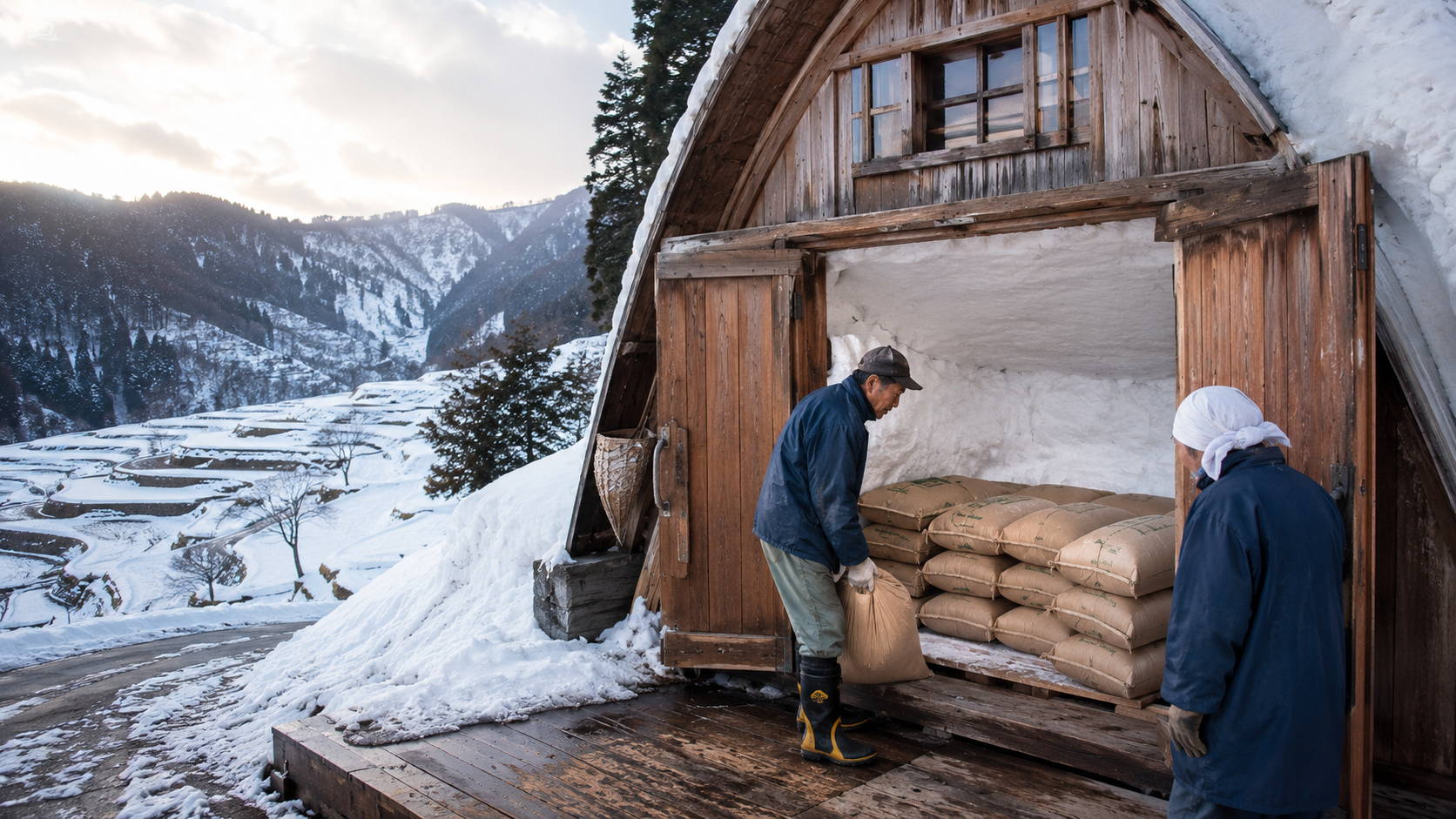


Japanese wooden refrigerator project uses stored snow as natural refrigeration to preserve rice in Joetsu, reduce electricity dependence, and turn winter into an ally for mountain farmers
A snow-powered wooden refrigerator was created in Japan to preserve rice without a compressor and without constant electricity consumption. The structure is located in Yasuzuka, Joetsu city, and uses stored snow as a natural source of cold.
The report was published by ArchDaily, an international portal for architecture and built projects. The project was named Yukinohako and reuses a strong characteristic of the region: snow accumulation.
The idea draws attention because it transforms extreme cold into an agricultural solution. Instead of treating snow merely as an obstacle, the construction uses this resource to preserve local rice and help producers in mountainous areas.
-
After three years living in a van, a couple bought an abandoned historic house and had to deal with mold, damaged plumbing, raccoons, and heavy cleaning before moving in.

-
In the city that the market called “road cockroach,” between Balneário Camboriú and Florianópolis, he launched a planned neighborhood worth R$ 1 billion with a marina for 90 boats and sold 80% of the lots in the first phase in 1 week.

-
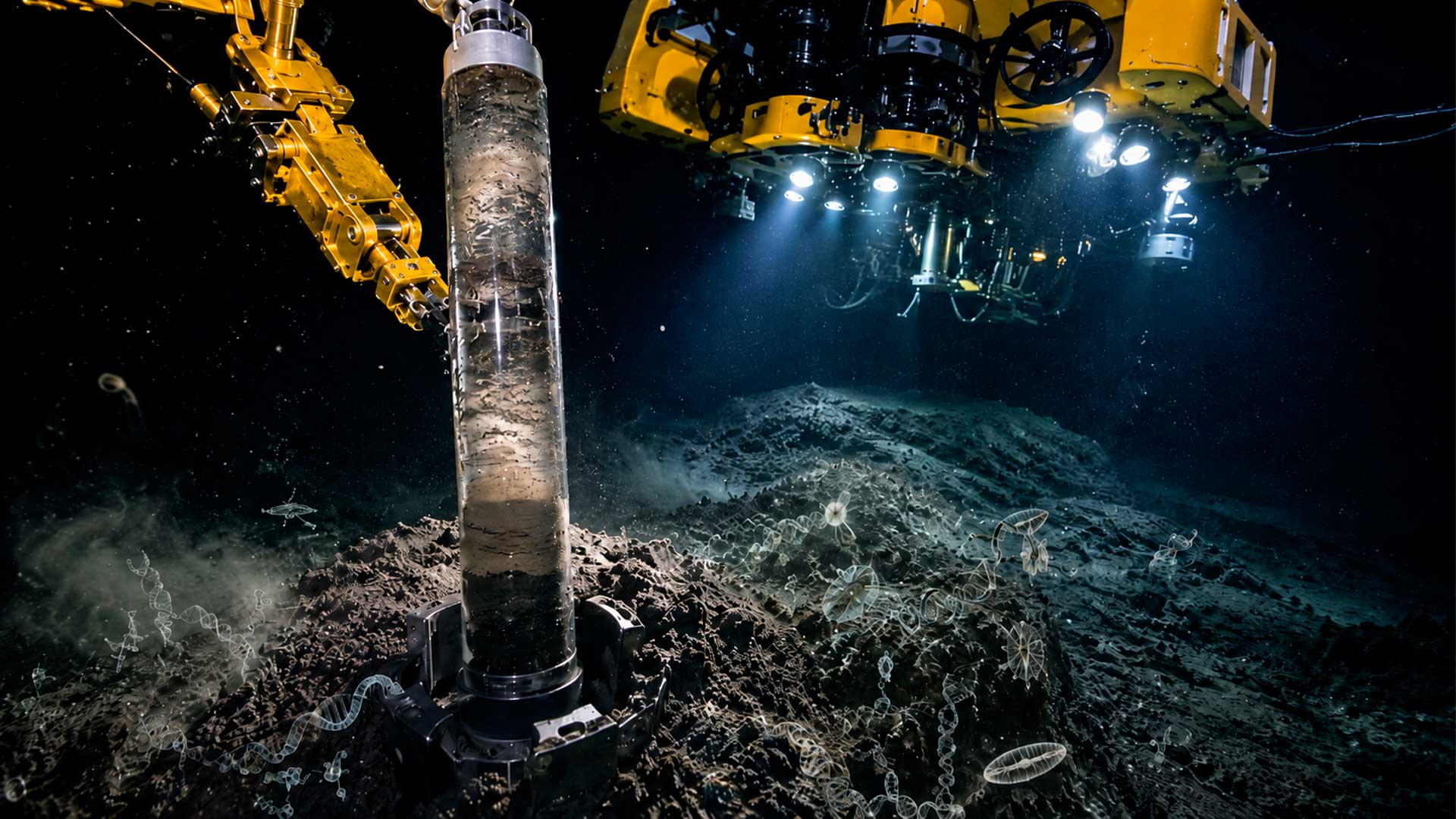
At a depth of 5,000 meters, where there is no sunlight, researchers found ancient DNA preserved in the mud of the South Atlantic and discovered signs of organisms that did not match known records.

-
At 77 years old, a retired woman who never tires of learning completes her second degree in design in Ceará and moves people by revealing the help of her 98-year-old mother in the final project.



Snow-powered wooden refrigerator stores rice without relying on a compressor
The Yukinohako functions as a natural cold chamber. Snow is stored inside the structure and gradually releases cold, maintaining an adequate environment for storing rice.
This system resembles a traditional Japanese technology called yukimuro. In simple terms, it is a space refrigerated by the snow itself, without the logic of a common refrigerator.
The most curious difference lies in its operation. There is no compressor working to create cold. The construction simply takes advantage of the cold that already exists in the region’s climate.
Stored snow becomes a cold battery and changes the way food is preserved
Snow functions as a kind of natural cold battery. It stores the winter cold and helps maintain a low temperature for longer.
This solution shows that not all innovation depends on complex machines. Sometimes, the environment itself offers a simple answer to an expensive problem.
For farmers, the gain is in rice preservation. A well-stored product can better maintain its value and reinforce the identity of local production.

Mountain farmers gain support against low productivity and lower income
The project was designed for farmers who cultivate rice on mountain terraces. This type of production faces greater challenges, as the terrain makes work difficult and can limit productivity.
The consequence appears in income. Producers in mountainous areas tend to face smaller margins and more difficulty competing with regions of broader cultivation.
The snow-powered wooden refrigerator serves as a practical response to this scenario. It helps preserve local rice and transforms a difficult climatic condition into a market advantage.
ArchDaily shows how extreme cold became agricultural infrastructure in Joetsu
ArchDaily, an international portal for architecture and built projects, presented Yukinohako as a contemporary reinterpretation of yukimuro, the Japanese snow-powered cold chamber.

The construction uses wood and was created to serve as a storage space. The project also connects to the landscape of Yasuzuka, where snow, forest, and agriculture are part of local life.
This choice gives the building another significance. It doesn’t just serve to store rice. It shows how architecture can work together with the climate, instead of fighting against it all the time.
Snow ceases to be a regional problem and begins to generate value in the countryside
In many cold regions, snow is often seen as a nuisance. It makes travel difficult, requires maintenance, and can make rural life harder.
In Yukinohako, this logic changes. Snow becomes a cooling resource and becomes part of the rice value chain.
The impact is agricultural, economic, and architectural. The solution reduces energy dependence, strengthens local producers, and shows a different way of thinking about constructions in cold areas.
Climatic architecture shows that the countryside can save money by using its own environment
Climatic architecture starts from a simple idea: the building must respond to the local climate. In Japan, this appears in the use of snow as a source of cold.
This solution directly addresses the reality of mountain farmers. Instead of importing an expensive, equipment-heavy solution, the project uses what the region already has in abundance.
The result is a construction that preserves food, adds value to rice, and helps tell a local story. Stored snow ceases to be just scenery and begins to work alongside producers.
Compressor-free refrigerator shows a simple way to reduce energy in storage
The image of a compressor-free refrigerator perfectly summarizes the project’s strength. The cold doesn’t come from a machine plugged into an outlet, but from accumulated and well-utilized snow.
This doesn’t make the project a universal solution for every place. It makes sense because it originates from a cold region, with enough snow to supply this type of chamber.
Still, the example is powerful. It shows that old technologies can gain new functions when they find architecture, agriculture, and economic necessity on the same path.
Yukinohako proves that extreme cold can become infrastructure. In Joetsu, a snow-powered wooden refrigerator helps preserve rice, reduces energy dependence, and strengthens mountain farmers.
If a region can transform snow into natural refrigeration, what other climate problems could become solutions in Brazil? Comment and share your opinion.


