





 Portuguese
  English
  Spanish
  5 min of reading
  0 comments



Project in Minas Gerais wants to expand the use of the fruit beyond the nut, reduce waste, and make room for more nutritious ingredients in the food industry
A company in Minas Gerais has decided to tackle one of the biggest waste issues in the cocoa chain in Brazil. Based in São Gonçalo do Rio Abaixo, Fralía aims to turn into business precisely the part of the fruit that almost always stays out of the industry, such as pulp, shell, and film, and use applied science to bring these components into new foods.
The bet gained public traction in a report published in April 2026, when the company detailed a project that combines full utilization of cocoa, industrial innovation, and a partnership with the National Center for Energy and Materials Research, CNPEM. The proposal is simple to understand and ambitious in execution, aiming to make much more use of the fruit without relying solely on the nut traditionally used in chocolate.
Today, the chain itself shows the size of the opportunity. According to the information released about the project, the industry usually uses only 6% to 10% of the total weight of cocoa, while the rest remains underutilized or discarded, even though it has technological and nutritional potential for other applications.
-
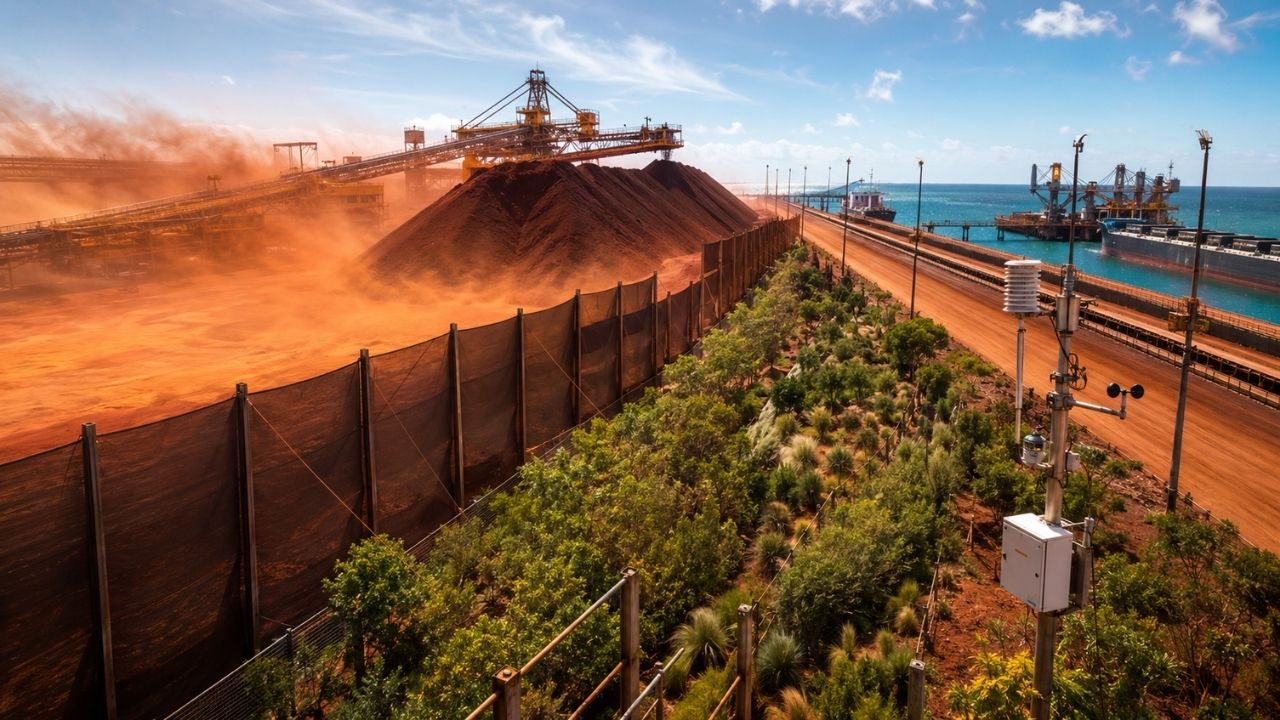
Forget the common mining dust: BHP combines 150,000 native plants, windbreak curtains, and real-time monitoring to reduce particles in Port Hedland, where iron ore stockpiles face strong winds and even cyclone-ready systems during port operations.

-
Scientists discover that tires are releasing invisible microplastics into city air, raising concerns about what we breathe every day.

-
Scientists have discovered a hidden underwater “portal” beneath the largest glacier in East Antarctica, capable of carrying warm water to the ice base; Totten drains a colossal basin with the potential to raise sea levels by more than 3.5 meters.
-
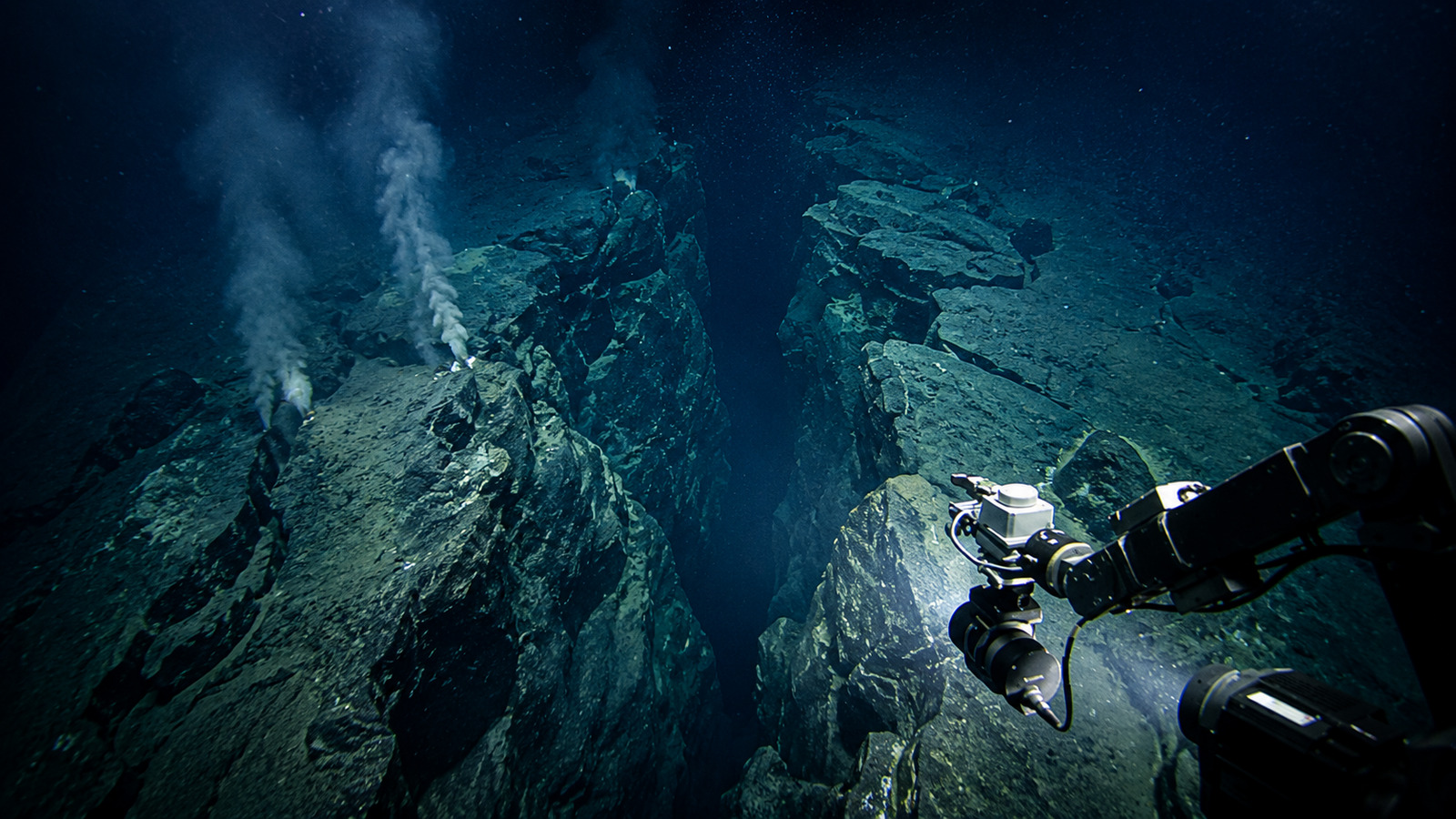
For the first time in history, scientists are observing the Pacific crust tearing on the ocean floor and revealing the birth of an underwater tectonic division.



The movement also engages with an important market for the national agribusiness. Brazil is among the relevant cocoa producers in the world, with production concentrated mainly in Pará and Bahia, in addition to participation from other states, including Espírito Santo, while Minas Gerais is expanding.
The bet on full utilization of cocoa
The central point of the project is to stop viewing cocoa solely as a raw material for chocolate. Fralía wants to expand the use of the fruit to supply segments such as cakes, cookies, and other derivatives, creating ingredients capable of increasing fiber content and reducing dependence on more refined bases in some formulations.
In practice, this means trying to reposition parts historically seen as waste. Instead of treating pulp, cocoa honey, and film as low-value materials, the company wants to introduce them into the market as functional inputs, appealing to nutrition, productive efficiency, and sustainability.
This strategy finds favorable ground at a time when public health guidelines reinforce the importance of fiber consumption. In Brazil, official materials updated in 2026 remind that the daily recommendation for healthy adults is around 25 g to 30 g of fiber, associated with a higher quality diet.
Partnership with CNPEM accelerates the scientific stage
To move from discourse to product, the company sought technical support from one of the most respected institutions in the country in applied research. The work will be conducted at the National Laboratory of Biorenewables, LNBR, a unit of CNPEM in Campinas, focusing on biotechnology to maximize the use of these cocoa inputs.
CNPEM reports that it operates in industrial biotechnology and brings together infrastructure aimed at developing projects with companies. This helps explain why the partnership is considered decisive, as the challenge is not only to discover new uses for the fruit but to transform them into solutions that work on an industrial scale.
There is also a relevant component of innovation policy. The project relies on the funding model of Embrapii, which operates with direct contracts between the company and the accredited unit, in a continuous flow, seeking to shorten the distance between market demand and high-level research.
Investment in Minas and impact on the food industry
Fralía claims to have already invested R$ 20 million in its factory in São Gonçalo do Rio Abaixo. In addition, it anticipates new investments of R$ 5 million per year over the next four years, indicating that the company sees the project not as a one-time test but as a permanent expansion front.
This volume of resources draws attention because innovation in food often faces three obstacles at once: industrial cost, scale, and consumer acceptance. By investing before the market is fully formed, the company aims to occupy space early and create a competitive advantage in a niche that mixes food upcycling, biotechnology, and functional ingredients.
There may also be an indirect effect on the cocoa production chain in Brazil. The more parts of the fruit gain commercial value, the greater the incentive tends to be to think about logistics, processing, and remuneration with a logic less concentrated solely on the bean, which can improve the economic efficiency of the sector. This is a change that interests both the industry and the producers.
For the consumer, the promise is to find in the future foods with more fiber and greater utilization of the fruit, without requiring a complete break with already established habits. The real challenge will be to combine nutritional gain, flavor, price, and regularity of supply, four factors that usually determine whether an innovation remains confined to the laboratory or actually reaches the shelves.
Why this innovation could affect the Brazilian market
The Minas project draws attention because it attempts to solve two problems at once. On one hand, it addresses the waste of a valuable raw material; on the other, it seeks to introduce into the market an ingredient aligned with the demand for more nutritionally balanced products.
There is also an important symbolic component. For decades, talking about cocoa in Brazil meant looking almost exclusively at chocolate, beans, and grinding, but the new technological race shows that the future of the sector may involve a broader view of the fruit and an industry less tied to the traditional model.
If the proposal works on a large scale, Minas Gerais can establish itself not only as a manufacturing address but also as a hub for a new phase of food innovation in the country. And this helps explain why the Fralía movement is already beginning to be seen as something larger than an isolated business bet, potentially becoming a reference for other companies in the cocoa chain.
The idea of turning almost all cocoa into a value-added ingredient seems promising, but it still leaves an open discussion. Will the Brazilian consumer easily buy into this innovation, or does the market still resist when health, industry, and price are all factored in? Leave your comment and let us know if this change could usher in a new era for cocoa in Brazil.




Be the first to react!