






 Portuguese
  Spanish


Wooden structure buried at the bottom of the sea was located during piping work and had its origin confirmed by radiocarbon, while researchers still investigate type, size, and purpose of the vessel
A shipwreck in Dubrovnik over 200 years old was found during work on a pipeline under the ancient port of the city, in Croatia. The wooden structure was buried at the bottom of the sea, near the surface, and radiocarbon dating confirmed its origin in the late 18th century.
Routine work reveals wooden ship in Dubrovnik
The discovery occurred during underwater construction work near the port of the Old Town of Dubrovnik, a coastal city in Croatia bathed by the Adriatic Sea.
The person responsible for the find was Ivan Bukelić, who was working on a water pipeline when he found wooden remains under the seabed. The structure was buried in sediments about one meter deep.
-
Scientists Uncover Why Gold Retains Its Shine So Well

-
Japan Allocates Nearly $6 Billion for AI Development, Aims to Deploy 10 Million Robots Across Industries by 2040
-
Nigerian Startup Converts Discarded Laptop Batteries and Broken TV Screens into Solar Lanterns for Off-Grid Areas

-
Young Innovators from Brazil Develop BioLuz: Generating Electricity from Plant Roots and Soil Microorganisms Using PET Bottles, Copper, and Zinc




To the Associated Press, Bukelić stated that he can now say he discovered a boat in the Old Town of Dubrovnik. The material found was not just an isolated fragment, but part of a larger structure.
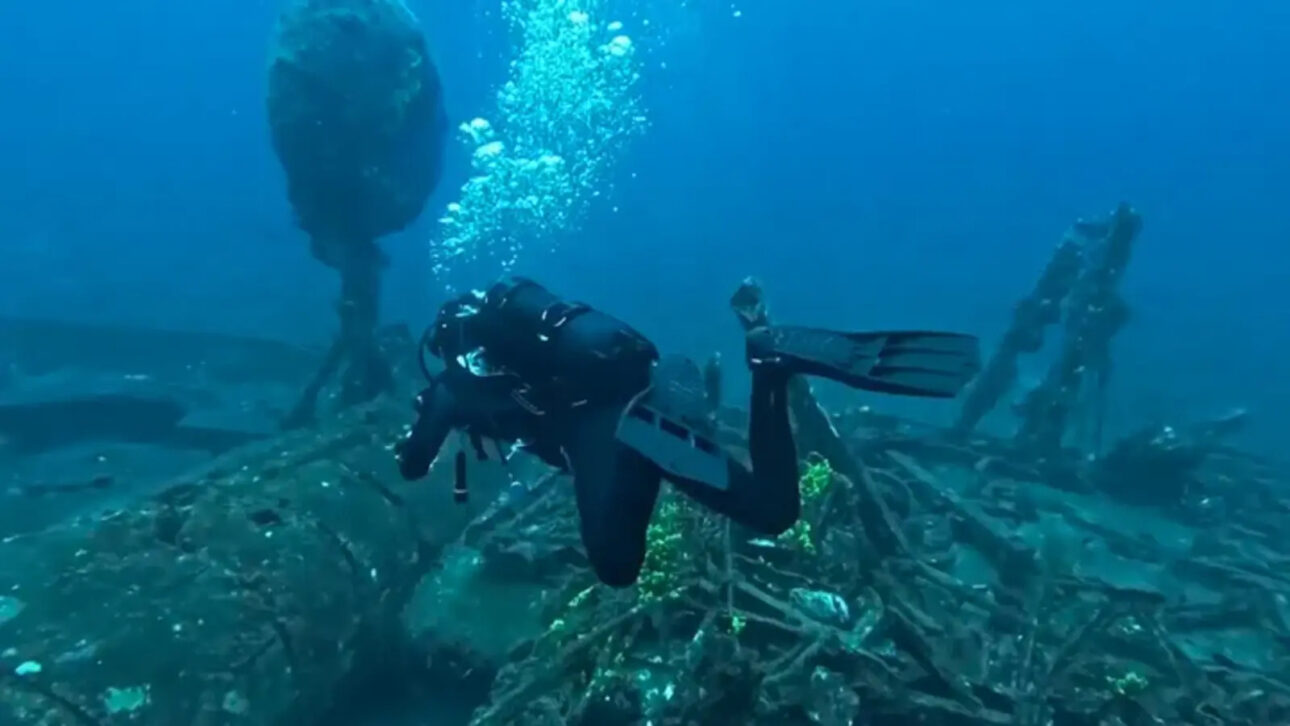
Dating of the wooden ship confirms origin in the late 18th century
Marine archaeologist Irena Radić Rossi informed the Associated Press that radiocarbon analysis confirmed the date of the shipwreck: late 18th century.
Despite the confirmation of the age, it is still unknown what type of vessel was found. The size, purpose, and other characteristics of the ship remain under investigation.
According to Radić Rossi, it is still not possible to speak about the type of vessel or its dimensions. For now, the main scientific certainty is the dating obtained through analysis.
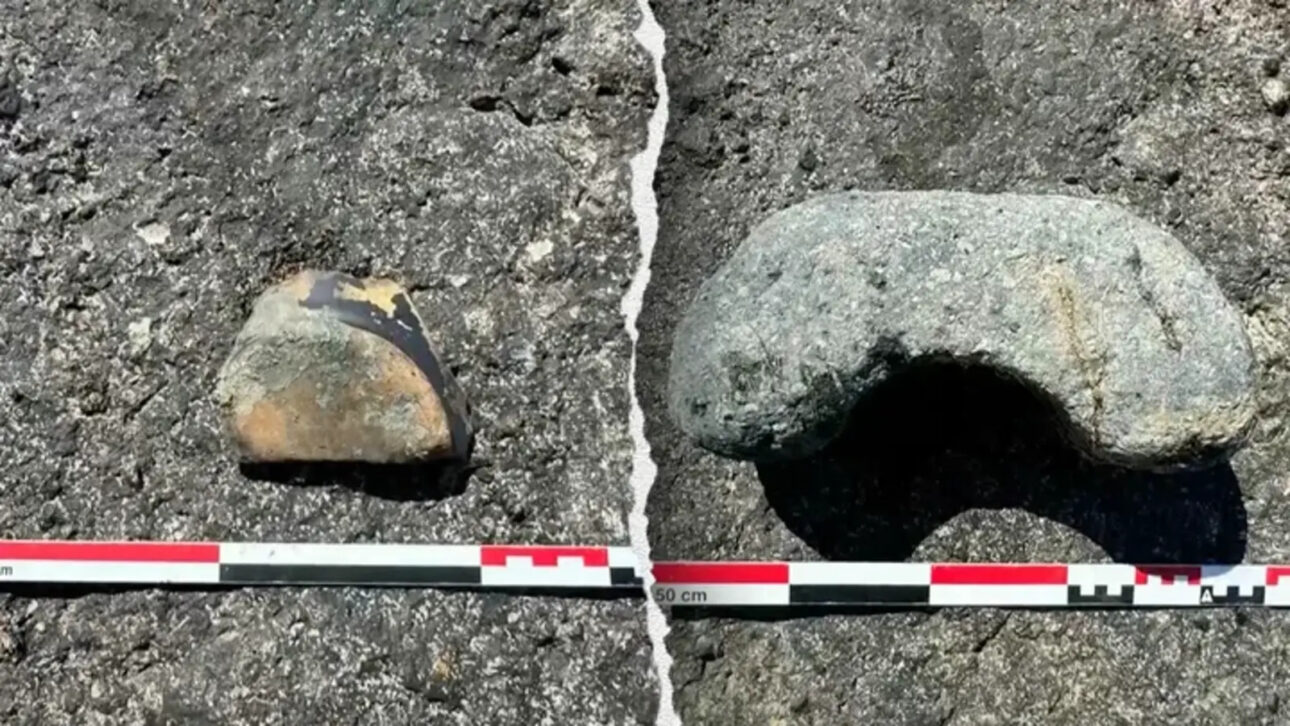
Ship structure remains protected as researchers plan excavation
The archaeological site is under the protection of the Croatian Ministry of Culture. The priority now is to keep the structure stable until a more detailed excavation can be planned.
As much of the vessel remains buried, researchers are working to prevent damage to the wooden remains preserved under the sediments.
The discovery draws attention because it occurred in an area directly linked to the ancient maritime life of Dubrovnik, a city that played an important role in Mediterranean trade from the 13th century.
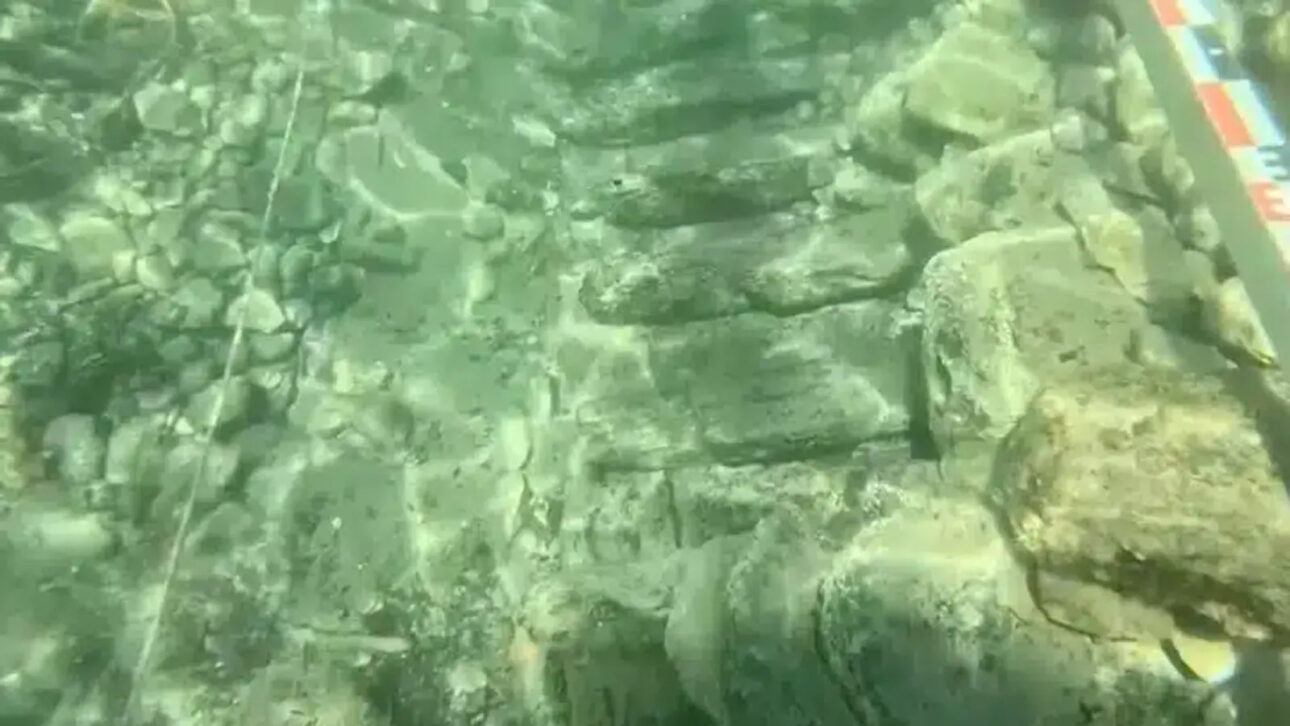
City has a history linked to the sea and cultural heritage
Dubrovnik is already known for its medieval walls, its UNESCO-listed historic center, and its long relationship with navigation.
The city was affected by the earthquake of 1667, which devastated part of its urban structure. Even so, many buildings survived or were rebuilt.
Decades later, Dubrovnik also underwent restorations after the damage suffered during the Croatian War of Independence in the 1990s.
More recently, the city gained worldwide projection by serving as one of the filming locations for Game of Thrones, representing King’s Landing.
Underwater finds continue to reveal historical traces
The case of Dubrovnik adds to other underwater archaeological discoveries mentioned in the material. In France, a sonar survey detected a 16th-century shipwreck off the coast of Ramatuelle.
This shipwreck was located about 2.4 kilometers from the coast and approximately 2,500 meters deep, being pointed out as the deepest ever found in French waters.
In Colombia, the Spanish galleon San José, discovered in 2015, also remains in the spotlight. Reports about the location indicate a possible presence of treasure valued at up to $17 billion.
This article was prepared based on information from the Associated Press and Popular Mechanics, with data, numbers, and statements preserved as per the consulted material.


