Portuguese
  Spanish


Discover the processes and journey of the IF Baiano students who created BioLuz, an innovative bioelectricity system using PET bottles.
The 12th edition of Solve for Tomorrow Brazil, a prestigious Samsung competition focused on the STEM methodology (Science, Technology, Engineering, and Mathematics), selected the BioLuz project, developed by five students from the 2nd year of High School at IF Baiano, Campus Alagoinhas, as one of the 20 national semifinalists.
The ecological initiative, which was born in August 2025 under the leadership of the young Michele dos Santos (16 years old) and the mentorship of Professor José Honorato Ferreira Nunes, aims to solve mobility and safety problems caused by the lack of public lighting in vulnerable communities.
The innovative device was designed to capture free electrons through copper and zinc wires and electrodes inserted in recycled vessels, extracting the bioelectricity generated by the symbiosis between plant roots and soil microorganisms.
-
Compact and Retro: Transparent Pocket Camera Weighs 65 Grams, Records in 4 Formats, and Costs 199 Yuan

-
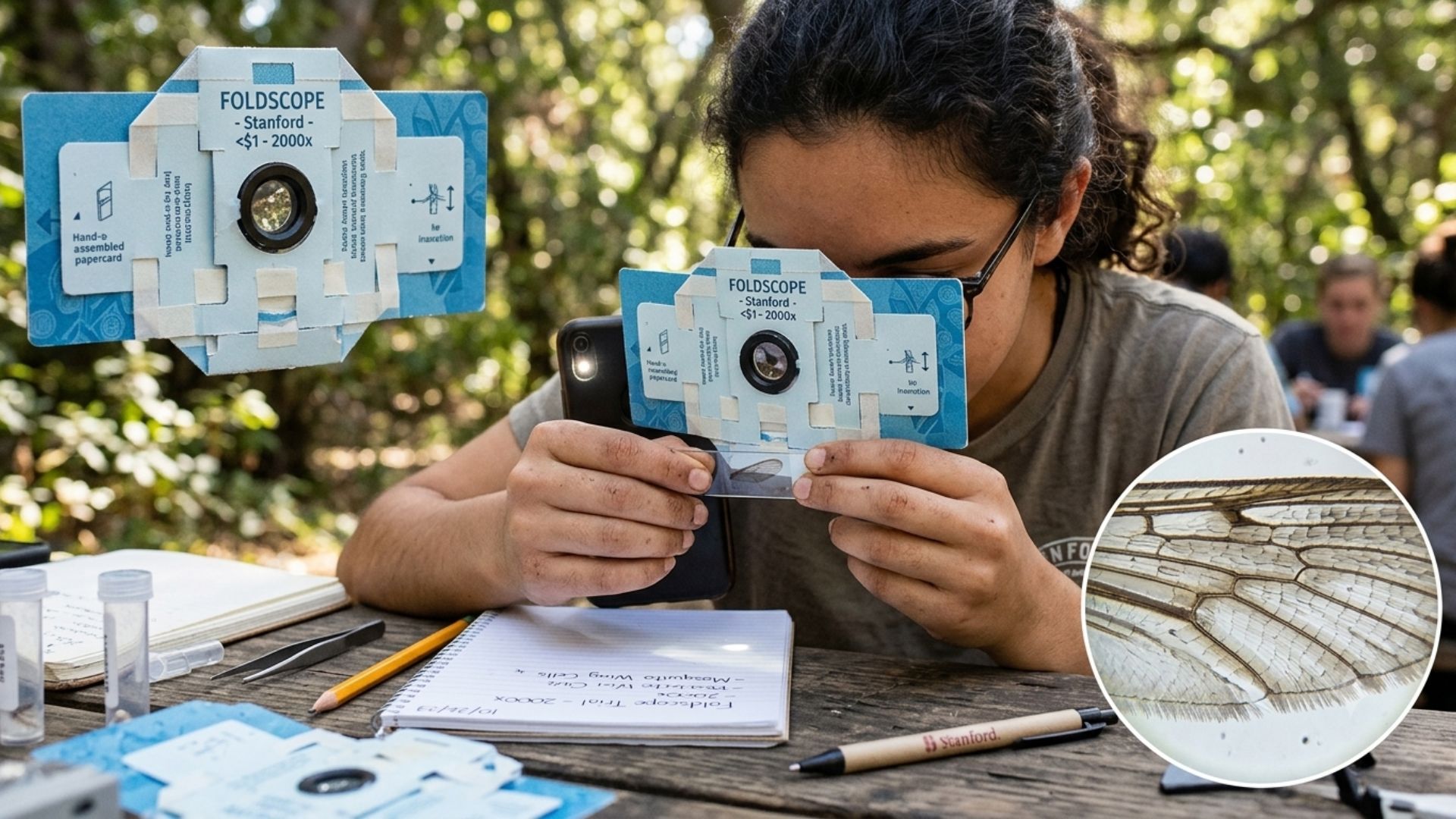
Bioengineer Develops Microscope That Magnifies Objects Up to 2,000 Times Using Just a Folded Sheet of Paper, a Tiny Lens, and Less Than $1, Bringing Lab Science Anywhere for Less Than the Cost of a Candy

-
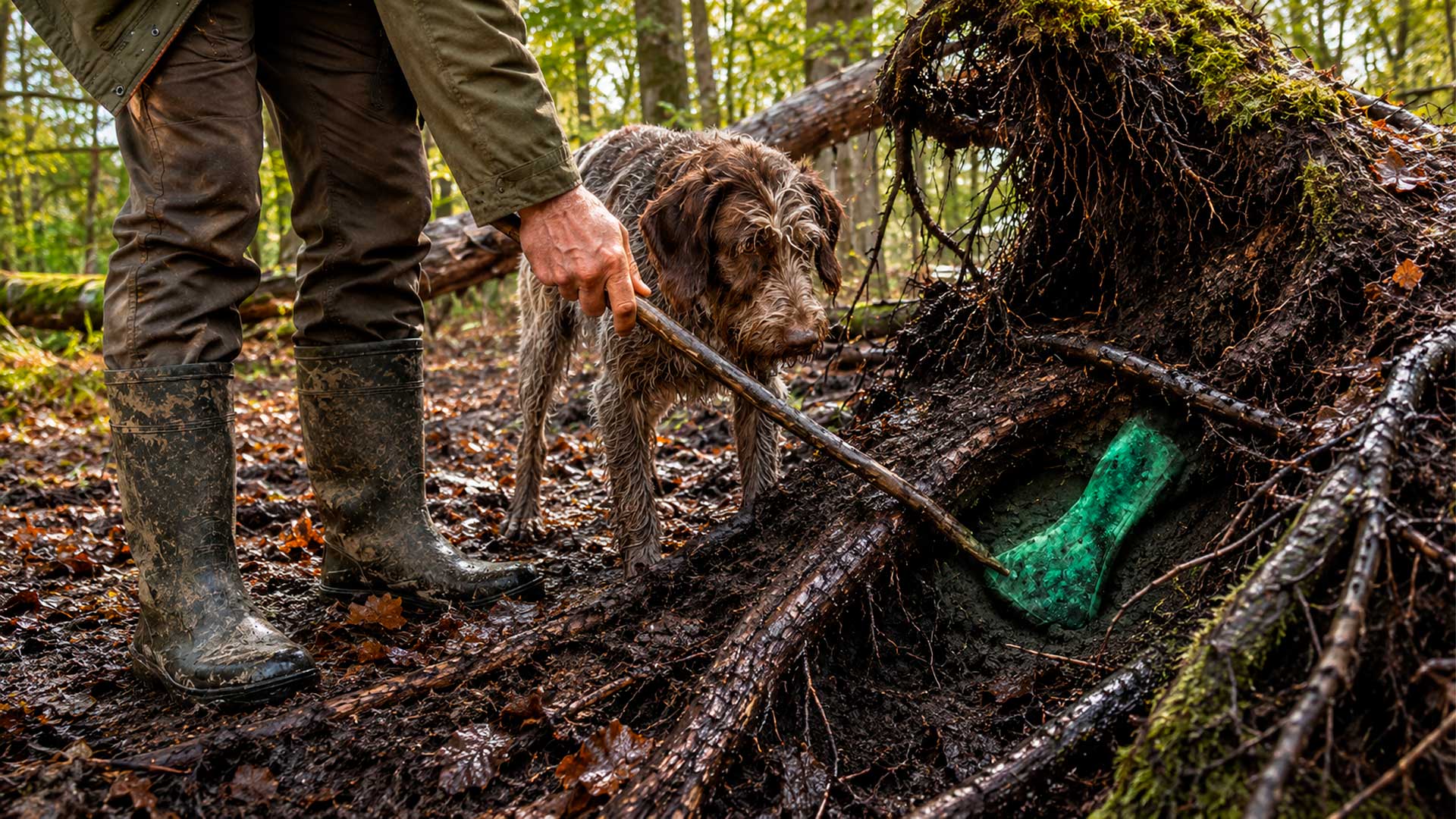
Dog Walker in English Forest Uncovers 3,400-Year-Old Bronze Age Axe
-
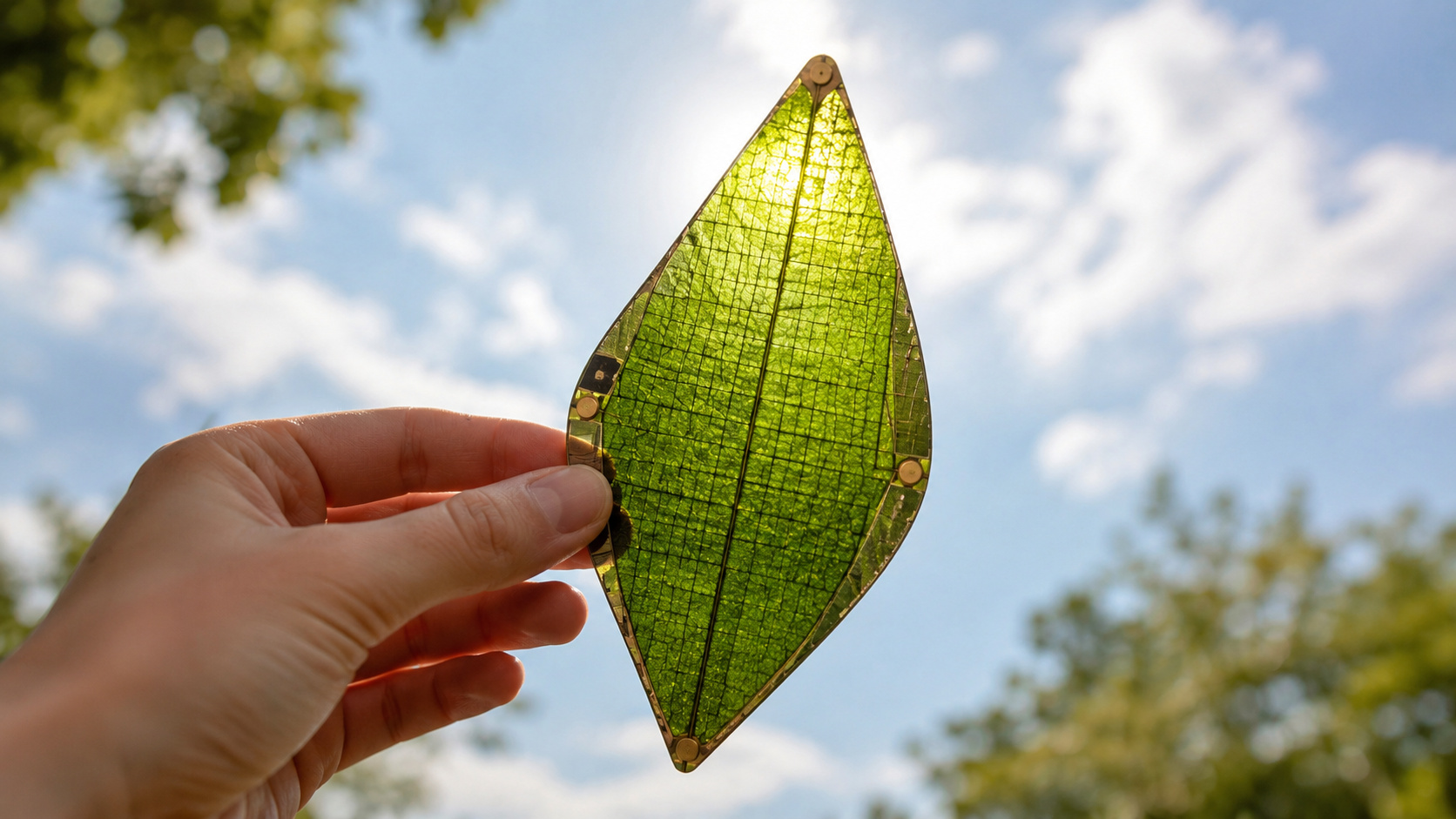
Texas Blackout Inspires Student to Develop Bionic Leaf Catalyst for Converting Sunlight, Water, and Bacteria into Fuel


The scientific obstacles faced by the students
For the students to reach this practical level of development, the group had to overcome complex technical knowledge barriers.
As they were in the second year of High School, the young scientists had not yet mastered mathematical and physical concepts of electricity, redox reactions, or subjects of Botany and Cell Biology, overcoming the deficit with collaboration and support from Chemistry and Physics teachers.
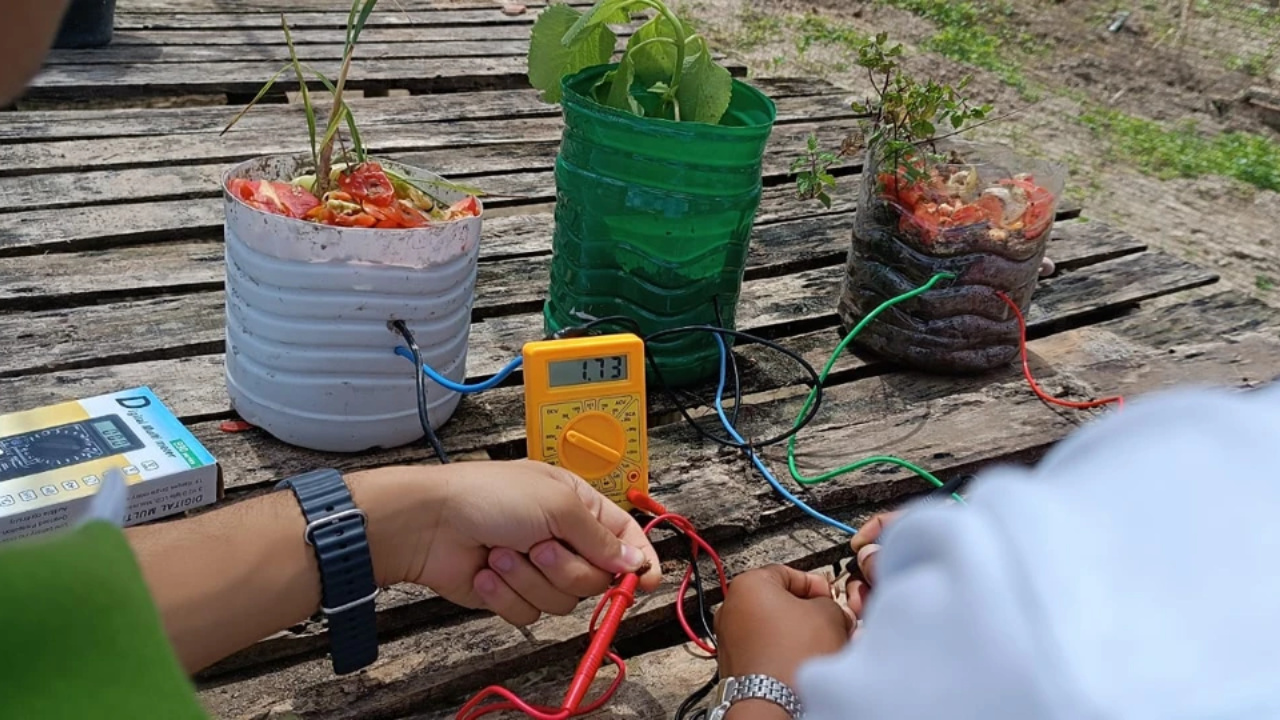
Moreover, the conceptual structuring of the idea posed difficulties for the IF Baiano advisor.
The search for reliable scientific information encountered a language barrier, as a large portion of the established articles on bioelectricity was published on foreign platforms, requiring extra care with keywords and long search periods influenced by algorithms.
The time factor also demanded sacrifices, forcing the team to balance traditional school tasks with apparatus testing.
National competition and youth autonomy
The encouragement of critical thinking and the independence of young scientists in solving real societal demands is the central pillar of the corporate citizenship program that awarded the group from Bahia.
According to Helvio Kanamaru, Director of ESG and Corporate Citizenship at Samsung for Latin America, involvement in research generates profound impacts:
“The great brilliance of the program is this curiosity and the development of the project they undertake, and with that, we generate autonomy and protagonism for the young people, because they learn to learn. They develop a curiosity and critical thinking that doesn’t stop at this edition but continues for the rest of their lives and for the various challenges they will face over time.”
The achievement brought enormous enthusiasm to the 16-year-old co-author adolescents. Student Thiago Menezes reported that participation in the initiative sparked a great affection for research, generating an unforgettable experience.
Similarly, student Natália São Pedro celebrated the strong potential of the device, considering the project a valuable asset she will carry for life.
The creation of the capture modules took place collaboratively during the free hours of the young people from the integrated technical course in Informatics.
The inventors carried out operational adjustments and troubleshooting on Fridays and during breaks between regular classes.
To reduce costs and ensure high sustainable efficiency, the group used discarded materials collected from the community.
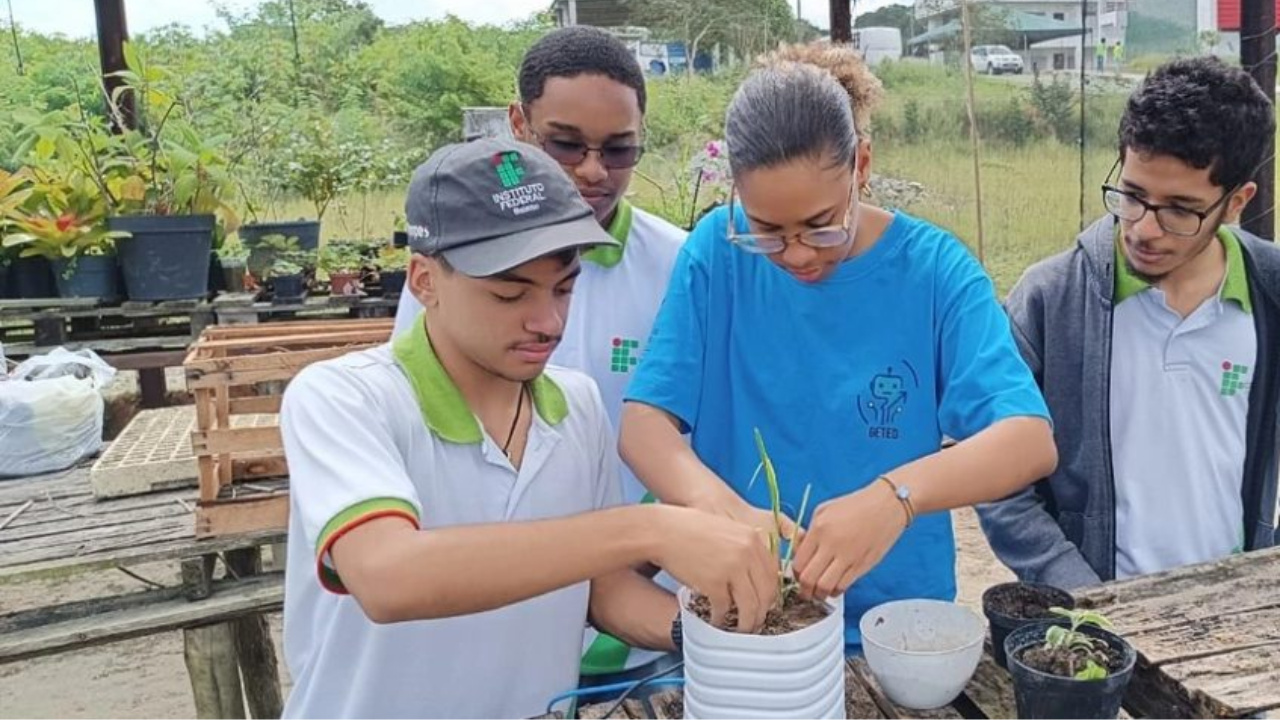
The capture equipment is composed of:
- Empty bleach plastic bottles that act as containers for the soil.
- Copper electrodes strategically buried in the ground.
- Zinc electrodes positioned to collect electric currents.
The functioning of the circuit and planned automation
Although the prototype is in its primary laboratory phase focused on lighting a small LED lamp, the central goal of the engineering is to enable large-scale electrical supply.
The dynamics are based on harnessing the symbiosis of the soil, in which microorganisms decompose the organic matter released by plants and generate clean energy.
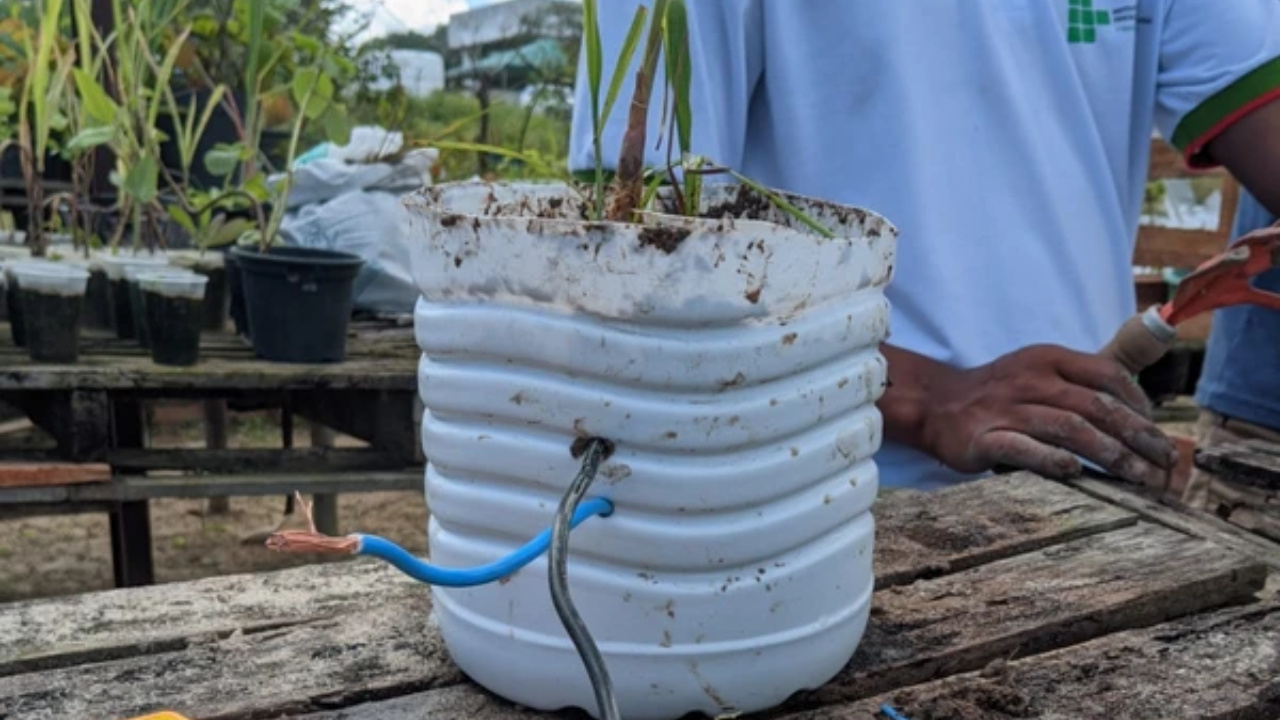
In the subsequent development stage of BioLuz, the energy will be processed by an automated smart circuit.
The mechanism will use an Arduino board combined with LDR sensors, responsible for identifying the decrease in natural light and automatically activating the LED lamps, directing the excess charge to low-cost batteries to sustain lighting throughout the night.
After consolidating the validation of the apparatus on the national scene, the research leadership outlined new strategic goals structured for the year 2026.
Professor José Honorato, who has been teaching in technical fields of Informatics and Agroindustry since 2013 at IF Baiano, evaluates the paths to register the invention’s property, prioritizing, however, the pedagogical benefits and free sharing with vulnerable groups.
With information from CREA-BA