Portuguese
  Spanish


Japanese strategy foresees a sovereign model of artificial intelligence, billion-dollar investments, and millions of robots operating in 18 areas in the coming decades.
Japan presented a far-reaching technological plan to strengthen its position in the artificial intelligence sector.
The strategy foresees the development of a sovereign AI model and the deployment of approximately 10 million robots by 2040.
These machines are expected to work in 18 areas, including factories, restaurants, food production, medicine, finance, and logistics.
-
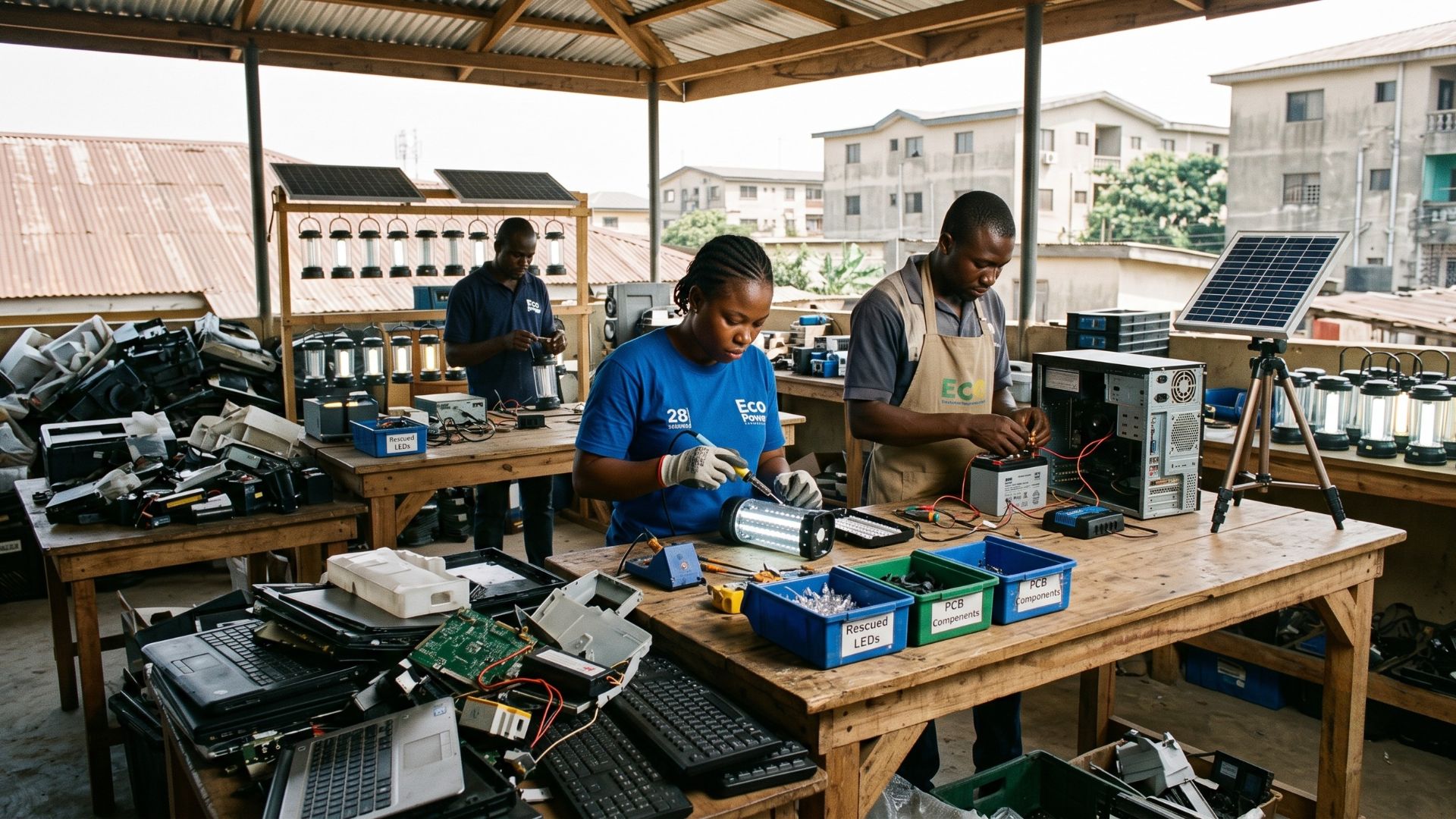
Nigerian Startup Converts Discarded Laptop Batteries and Broken TV Screens into Solar Lanterns for Off-Grid Areas

-
Young Innovators from Brazil Develop BioLuz: Generating Electricity from Plant Roots and Soil Microorganisms Using PET Bottles, Copper, and Zinc

-
Compact and Retro: Transparent Pocket Camera Weighs 65 Grams, Records in 4 Formats, and Costs 199 Yuan
-
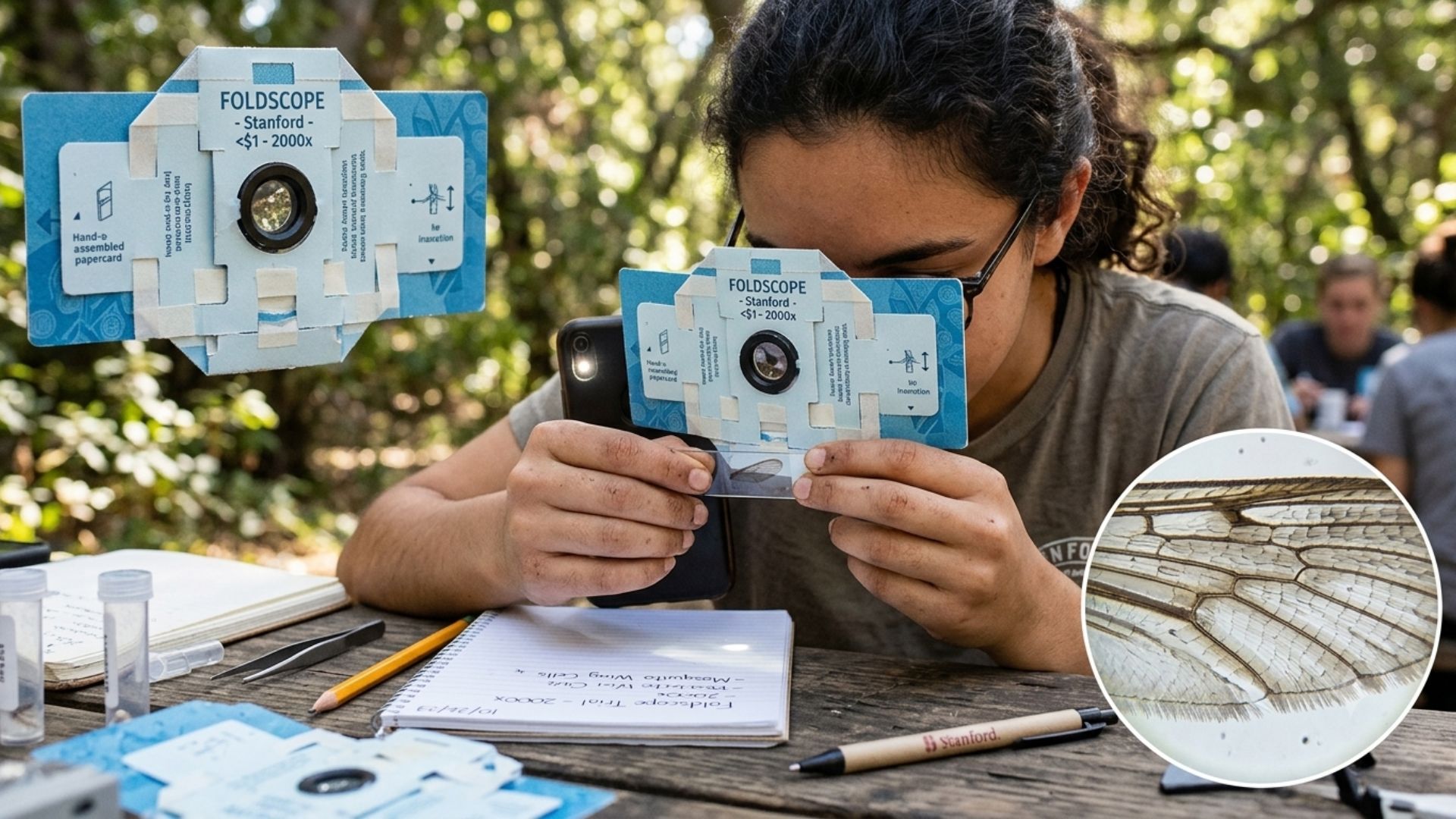
Bioengineer Develops Microscope That Magnifies Objects Up to 2,000 Times Using Just a Folded Sheet of Paper, a Tiny Lens, and Less Than $1, Bringing Lab Science Anywhere for Less Than the Cost of a Candy


The Japanese government announced the initiative on June 30, 2026, according to information released by the country’s press.
Investment of nearly US$ 6 billion boosts the project
The government may invest nearly US$ 6 billion, an amount close to R$ 30 billion, during the development of the new technology.
The release of resources is expected to occur over five years and will depend on the results achieved at each stage.
Noetra will be responsible for creating the Japanese model of artificial intelligence.
The consortium brings together large national companies, including SoftBank and Sony.
The economic newspaper Nikkei reported that the group could reach up to 44 investing companies.
Participants are expected to represent sectors such as:
- Automotive industry;
- Electronics;
- Financial services;
- Industrial production;
- Transport and logistics.
Own model can reduce dependence on the United States and China
The creation of a national artificial intelligence aims to reduce Japan’s dependence on foreign technologies.
Systems developed in the United States and China currently dominate a significant part of the global market.
Controlling its own model will allow Japan to adapt the technology to the needs of its companies and services.
The initiative could also enhance the competitiveness of Japanese companies on the international stage.
Several countries are seeking similar solutions to avoid an excessive concentration of artificial intelligence in a few powers.

Physical AI will bring intelligent systems to real environments
Noetra will focus its work mainly on the so-called physical artificial intelligence.
This technology allows intelligent systems to recognize environments, make decisions, and perform tasks in the real world.
The anticipated applications include autonomous cars, industrial robots, and android butlers.
Intelligent equipment may also operate in restaurants, hospitals, and food production facilities.
The performance of physical AI in real situations still presents limitations.
Large-scale application will depend on the advancement of systems and the robots’ ability to handle varied environments.
Japan aims to deploy 10 million robots in 18 areas
The Minister of Industry, Ryosei Akazawa, confirmed the target of approximately 10 million robots by 2040.
The inclusion of restaurants, food production, and medicine will expand the use of technology to a total of 18 sectors.
The adoption of the equipment is expected to grow gradually over the coming years.
The announced number represents a governmental target, not a guaranteed quantity of robots.
Technical results, investment volume, and machine performance will determine the progress of the plan.
Aging population increases need for automation
The strategy also seeks to address the demographic challenges faced by Japan.
The Japanese population is aging and declining, while various sectors are struggling to hire workers.
Robots equipped with artificial intelligence could take over some of the activities affected by labor shortages.
Automation is expected to reach industrial lines, medical units, restaurants, and logistics operations.
Japan intends to combine robotics, public investment, and artificial intelligence to tackle the anticipated changes by 2040.
Do you believe that millions of robots will be able to reduce the shortage of workers in Japan, or will technology still face major obstacles? Share your opinion!