Portuguese
  Spanish


Yadea Launches the Porta Electric Motorcycle in Japan, 30% Cheaper Than Honda’s Competitors. Model Combines Affordable Price, Retro Design and Focus on Accessible Electric Mobility to Challenge the Japanese Giant.
Yadea, the world’s largest manufacturer of two-wheel electric vehicles, is about to face one of the biggest challenges of its journey. The Chinese company announced that it will launch its first electric motorcycle in Japan in November, a territory historically dominated by Honda and known for demanding consumers in quality.
The strategy is bold: to offer the Yadea Porta model at a price about 30% lower than that charged by local competitors. The move promises to shake Honda’s hegemony and accelerate the race for electrification in one of the world’s most traditional motorcycle markets.
Porta Electric Motorcycle: Aggressive Price and Retro Style
Yadea’s big ace in Japan is the Porta, a compact, affordable electric motorcycle with a retro-inspired design. The model hits the market with vibrant colors and lines that appeal directly to the younger audience, who seek style combined with sustainable mobility.
-
Electric and Hybrid Cars Set to Transform Brazilian Streets: A New Era Begins

-
Chinese Giant Invests $1.3 Billion in Brazil to Produce 50,000 Cars Annually, Create Jobs, Develop Local Suppliers, and Manufacture Electric, Hybrid, and Combustion Models by 2027

-
Unprecedented achievement in India: a colossal 650-ton, nearly 3,000 hp excavator is transformed into 100% electric, marking a new phase in heavy mining.
-
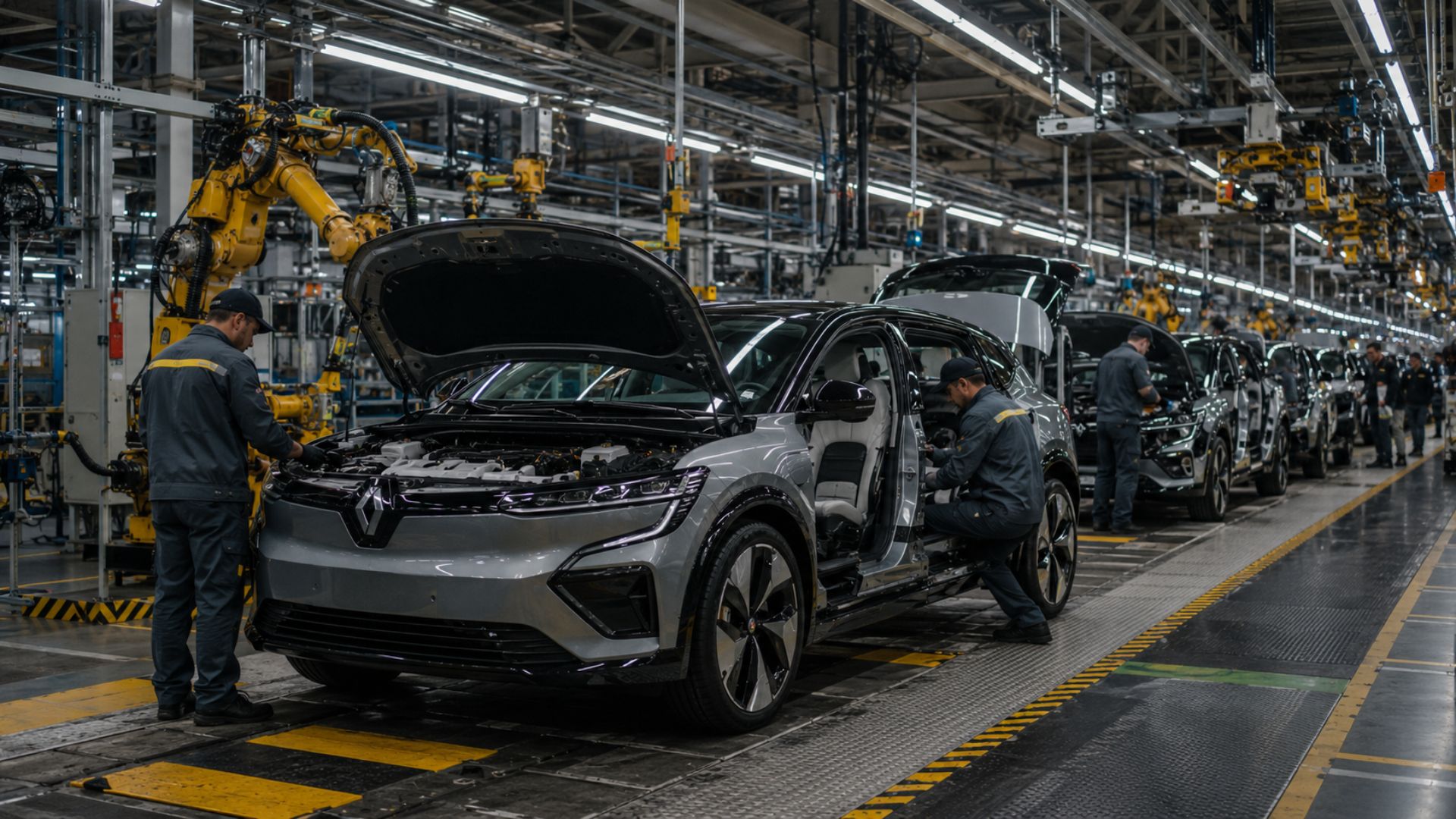
Frightened by the speed of Chinese manufacturers, Renault decided to mimic the pace, made the new electric Twingo in just 21 months, wants to repeat the feat with 36 models by 2030, and along the way, will cut up to 2,400 engineering positions.



According to Yasumasa Hasegawa, president of Hasegawa Mobility, the official importer of the brand in the country, “the Yadea Porta is compact and affordable.” This phrase nicely summarizes the model’s positioning, which aims to attract price-sensitive consumers seeking more modern alternatives to the gasoline scooters still dominating the archipelago.
Yadea’s entry into Japan is not just another international expansion. It is a direct challenge to the territory of Honda, considered a national icon and absolute leader in the motorcycle segment. Until now, the Japanese manufacturer had been focusing on more sophisticated models equipped with advanced technology, but also at considerably higher prices.
With Yadea’s arrival, Honda may be pressured to reconsider its electrification strategy and possibly invest in more accessible models to avoid losing ground in a transforming market.
Japanese Market Still Crawls in Electric Motorcycle Adoption
Despite advances in electric mobility worldwide, Japan still records a timid penetration of electric motorcycles. Most sales in the country remain concentrated in gasoline-powered scooters. This scenario creates a unique opportunity for Yadea, which already dominates the global e-scooter market and has large-scale production.
The company’s bet is that low cost combined with global experience can drive the migration of Japanese consumers to more sustainable options, accelerating the transition to electric two-wheeled vehicles.
Yadea’s arrival in Japan symbolizes more than a geographic expansion. It represents the Chinese company’s attempt to redefine standards in a market marked by tradition and quality. By challenging Honda in its own home, Yadea reinforces its ambition to become a global reference in affordable electric motorcycles, combining scale, attractive design and price competitiveness.