Portuguese
  Spanish


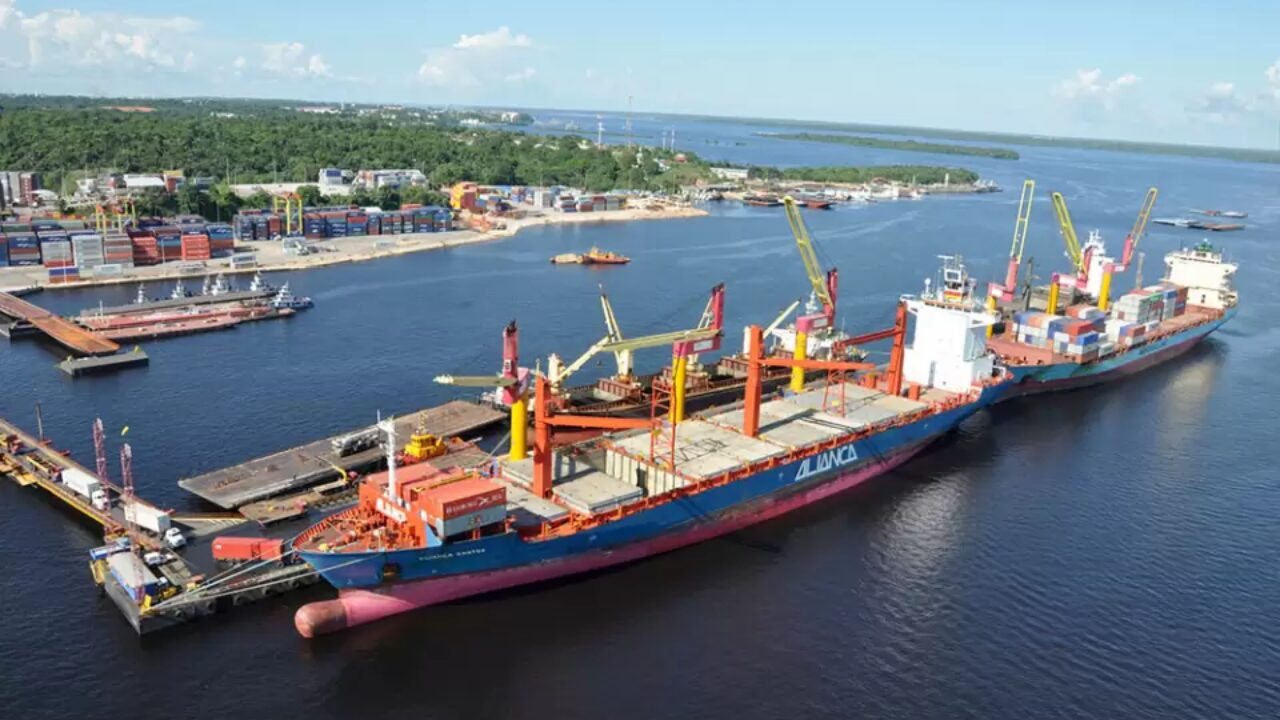

Naval Sector of the Free Zone of Manaus Grows 741% and Stands Out as a Strategic Logistical Pole, Highlighting NN Logistics 2025 and Investments in Innovation and Sustainability.
Driven by the exponential growth of agricultural production in the Midwest, the naval sector located in the Free Zone of Manaus (ZFM) had a surprising start to the year, with an increase of over 740% in revenue just in January.
The historic leap heats up the local market and reinforces the strategic importance of the Amazonas capital as a national logistical hub. Against this backdrop, the city is preparing to host the 2025 edition of NN Logistics, considered the main shipping and multimodal transport fair in the Northern region, from May 7 to 9.
Historical Advance Projects Manaus as a Naval Reference
The record performance of the naval sector of the Free Zone of Manaus reflects the new role of the Amazon in the flow of commodities such as soy, corn, and fuels.
-
North Korean Fiasco: Launch of the Largest Warship Ends in Sinking

-
While giant ships still burn heavy fuel and the maritime sector races against climate targets, Maersk and Vale are starting to bet on ethanol as a new route to reduce emissions at sea.

-
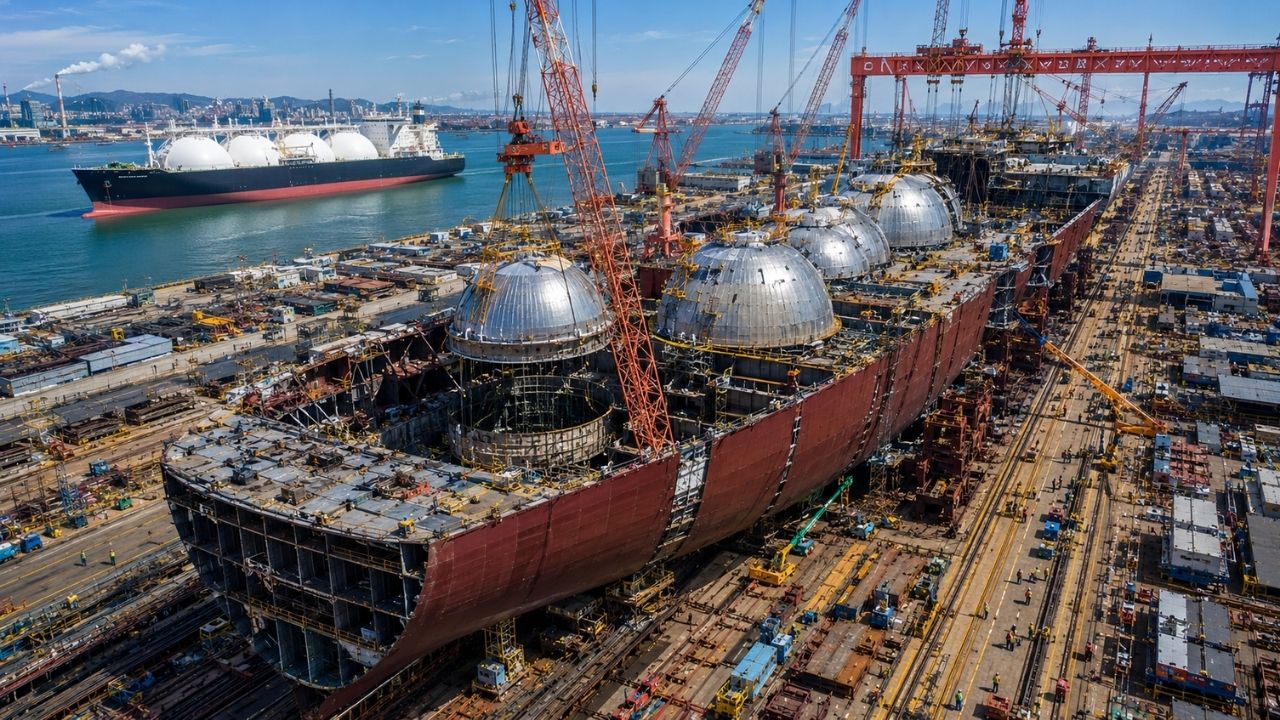
China begins construction of the world’s largest LNG ship, a 344-meter giant capable of supplying 4.7 million homes for a month, carrying 271,000 m³ of gas, and placing QatarEnergy in the largest naval order ever recorded in world history.
-
China is designing a container ship with a thorium nuclear reactor that will operate for 40 years without refueling, and the 25,000-container giant from Jiangnan Shipyard will cross oceans without emitting carbon in an industry that burns 300 million tons of fuel per year.



The Amazon river network, essential for transport in remote areas, has become a strategic alternative to alleviate the ports of the South and Southeast.
This movement not only boosts the shipyard industry but also attracts the attention of investors and companies specialized in logistics solutions tailored to the region.
According to a survey by the Amazon State Industry Center (CIEAM), the Free Zone of Manaus currently has 14 shipyards in operation and directly employs over 2,700 professionals.
The local production meets the needs of inland navigation with vessels tailored to the challenges of the Amazon basin.
NN Logistics 2025 Will Gather Industry Giants
The event, which will take place at the Vasco Vasques Convention Center, promises to be a turning point for the regional naval sector.
Big names in the market have already confirmed their presence, including the Belov Group, specialized in naval engineering and the construction of vessels for offshore and fluvial operations. The company is betting on the fair to expand its presence in the North of the country.
“NN Logistics will be a space for connection between the growing demand and the solutions we offer. The growth of the naval sector proves that we are on the right track by investing in innovation and infrastructure to meet the new demands of the fluvial market,” highlighted the Belov team.
Other exhibitors, such as CLS Brazil, will bring innovations in satellite tracking and shipment monitoring, essential technologies to ensure safety amid climate changes and prolonged droughts affecting the rivers of the Amazon.
The TMSA Group, in turn, will present systems aimed at automation in grain transport, focusing on energy efficiency and lower environmental impact — a growing demand in the Amazon context.
Naval Pole of Manaus Leads National Production
The capital of Amazonas already leads the manufacture of barges for river transport, supplying ports such as Super Terminals and Chibatão, in addition to serving international shipowners such as CMA-CGM and Aliança.
The vessels manufactured in the region are designed to withstand extreme conditions and transport different types of cargo — from solid grains to liquid fuels.
The estimate of a Brazilian harvest of 164.4 million tons in 2025 reinforces the urgency for more sustainable and efficient logistical routes. And in this scenario, the Free Zone of Manaus emerges as a key player.
NN Logistics 2025 will therefore be more than a fair: it will reflect the prominence of the naval sector in transforming the Brazilian logistics chain.