Portuguese
  Spanish


Aalborg Zoo Requests Live Animals to Feed Captive Predators in Initiative That Unites Natural Feeding and Tax Incentives. Donations Involve Everything from Small Pets to Horses, with Specific Rules to Ensure Health and Welfare.
Aalborg Zoo, located in northern Denmark, has made an unusual call to the public to receive donations of healthy pets such as chickens, rabbits, and guinea pigs, and is also accepting live horses to feed its captive predators.
According to BBC, the initiative offers pet owners the possibility of tax deductions, setting up a mechanism that combines the feeding of carnivores with sustainable economy.
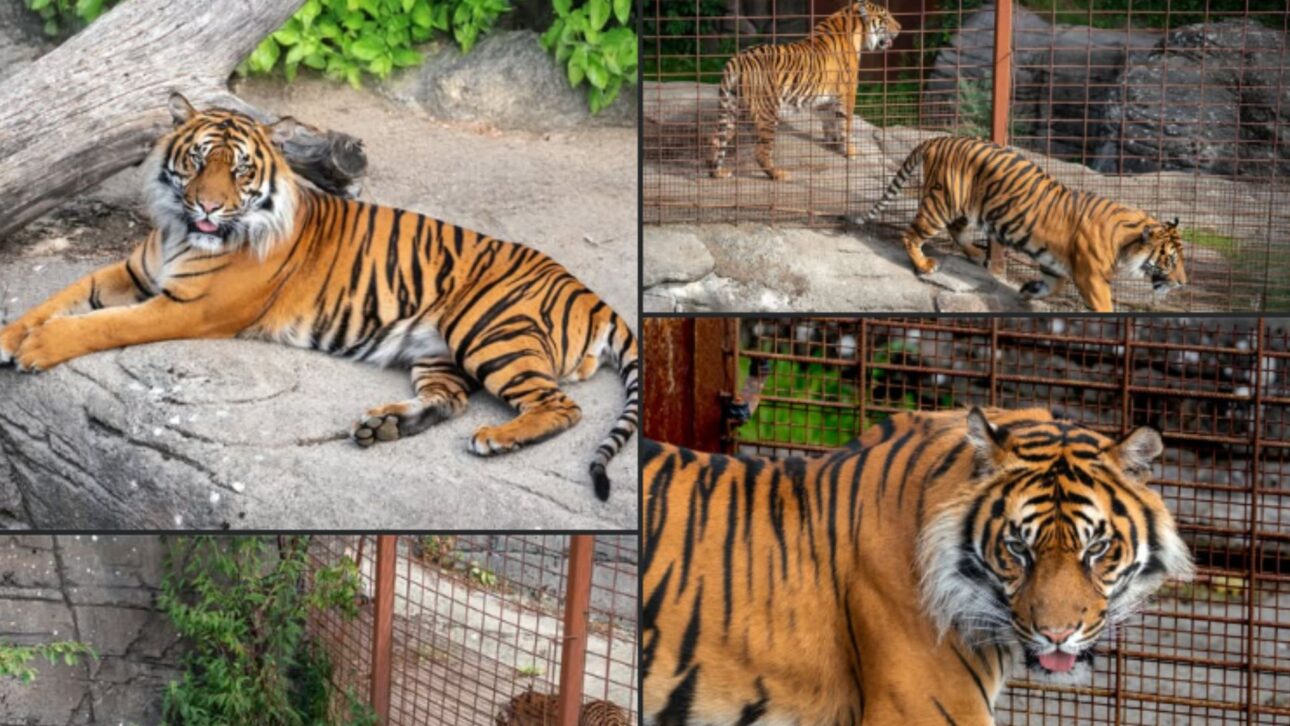
On its social media, the zoo explains that this action aims to replicate the natural food chain of these animals, offering whole prey, including fur and bones, which ensures a diet closer to what they would consume in nature.
-
Orphaned Youth Turns Dismissed Idea into Global Prestige with Innovative Wristwatch

-
English Skills Boost Career Opportunities in the Oil and Gas Industry

-
Brazil Secures Second Place at WorldSkills 2024 in Lyon, with 64 Young Professionals and 8 Medals, Including Gold from a Rio de Janeiro Hairdresser

-
3,000 Military Personnel from 10 Countries, Including US and Chinese Marines, Train Together in Brazil’s Savanna: Operation Formosa Becomes Largest Naval Ground Exercise Before First Cancellation Since 1988


“We have a responsibility to simulate the natural food chain of the animals,” stated the zoo in an official statement.
The Eurasian lynx, one of the institution’s carnivores, is cited as an example of an animal that relies on this diet closer to its wild habits.
Natural Feeding for Captive Carnivores
The practice of feeding predators whole animals is not new at the Aalborg Zoo.
According to Deputy Director Pia Nielsen, this form of nutrition has been occurring for many years.
She emphasized that to keep carnivores in captivity, it is necessary to provide meat with all parts — skin, bones, and meat — to ensure a diet as natural as possible.
According to her, the use of animals that need to be euthanized for various reasons is a rational and ethical form of repurposing, widely accepted in Denmark and appreciated by the zoo’s visitors and partners.
Donations and Rules for Small Animals and Horses
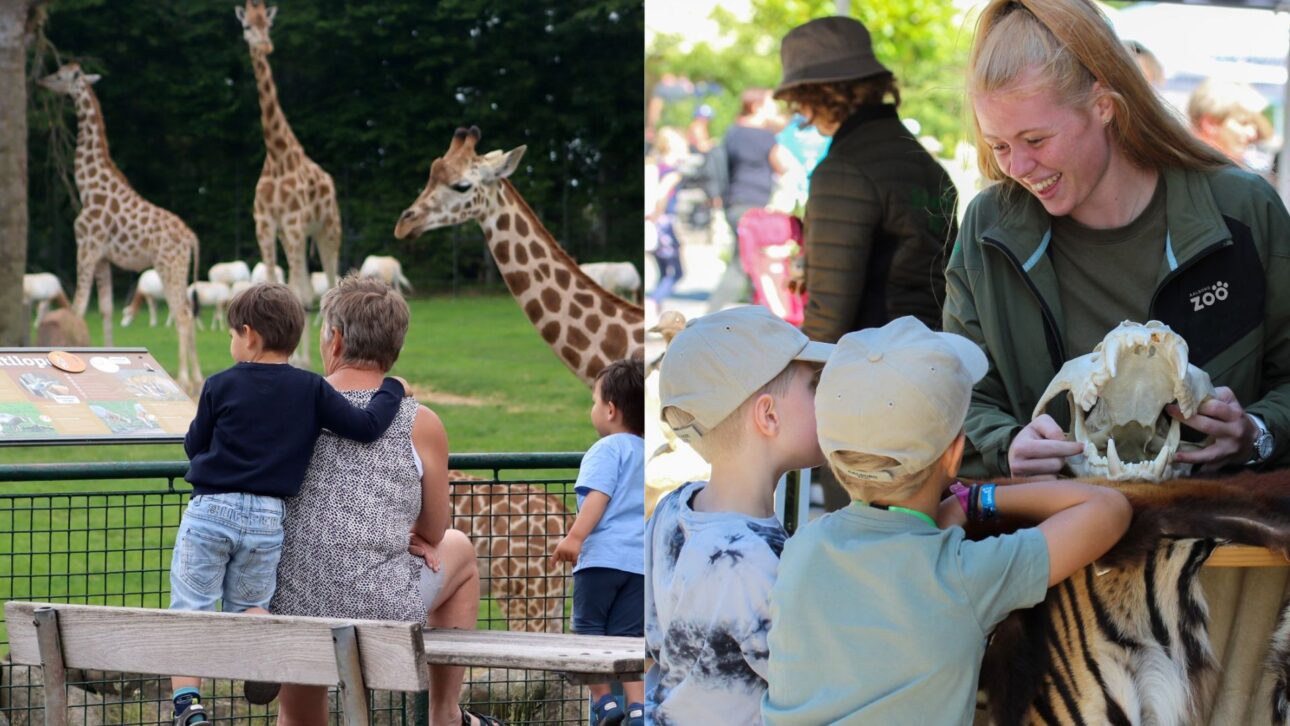
Small animals can be donated during the week, without the need for scheduling, with a limit of up to four animals at a time.
For horse donations, the zoo sets stricter rules.
The horses must have an official passport and must not have received treatment for any illness in the 30 days prior to donation.
Furthermore, owners must ensure that the animals are fit for transport, adhering to sanitary and welfare criteria.
In exchange, donors of horses can receive a tax deduction proportional to the weight of the donated animal, a financial incentive aimed at encouraging this form of contribution.
This deduction, calculated in Danish crowns, aligns with local tax legislation, which provides benefits for donations to nonprofit organizations.
Humane Euthanasia and Integral Utilization
After delivery, the animals are subjected to a euthanasia performed by trained professionals, who ensure a procedure considered humane and painless.
Subsequently, the animals are processed and used as food for carnivores, ensuring that nothing is wasted in the cycle of utilizing resources available at the zoo.
Public Reactions and Controversies
This approach, despite being based on replicating natural habits and ethical repurposing, has generated mixed reactions in public opinion.
While some value the rationality of the measure and its sustainable potential, others expressed discomfort and questioned the appropriateness of the practice.
At times, the intensity of the criticism led the zoo to restrict comments on its digital platforms to avoid attacks and maintain focus on environmental education.
History of Aalborg Zoo and Similar Practices
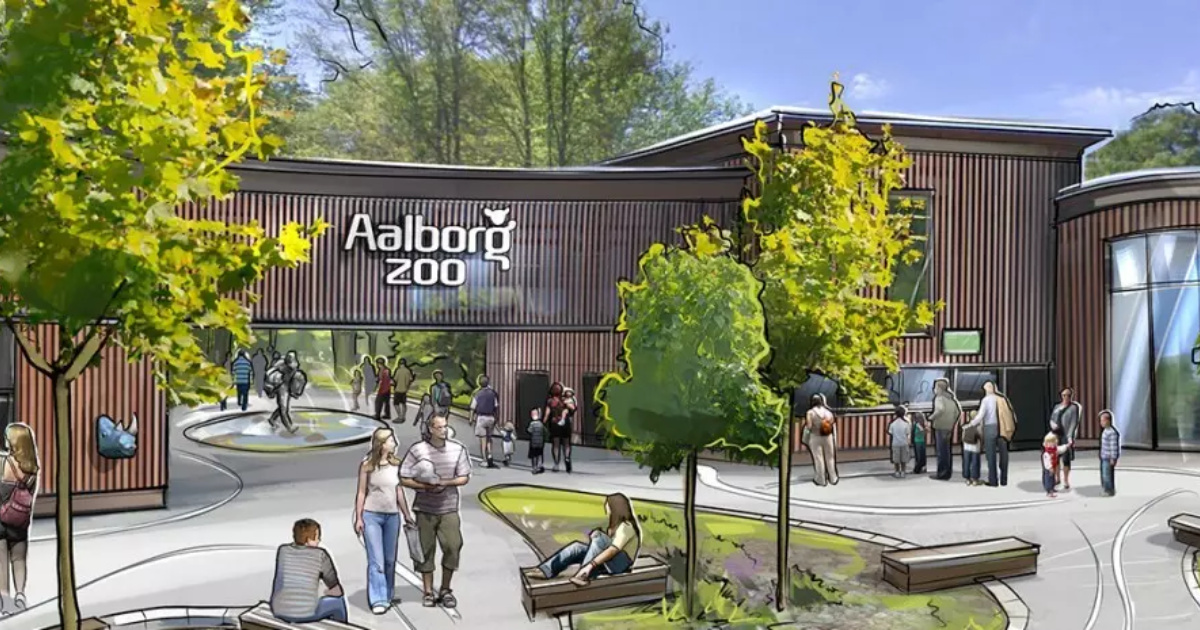
Aalborg Zoo, opened in 1935, currently houses more than 1,500 animals from around 126 different species.
The institution is a reference in conservation projects, education, and research, seeking to balance the maintenance of animals in captivity with practices that respect natural behavior and individual welfare.
Feeding predators whole prey is part of this philosophy aimed at providing conditions that approximate those found in the wild.
This is not the first time that zoos in Denmark have faced controversies related to animal management and feeding.
In 2014, Copenhagen Zoo killed a healthy giraffe named Marius, whose meat was later used to feed lions, generating widespread backlash and public debate about practices adopted in controlled environments.
The appeal from Aalborg Zoo for donations of small animals and horses raises important questions about the ethical limits and practical needs of maintaining predators in captivity.
Striking a balance between the natural demands of animals and societal expectations continues to be a challenge for conservation and education institutions.