Portuguese
  Spanish


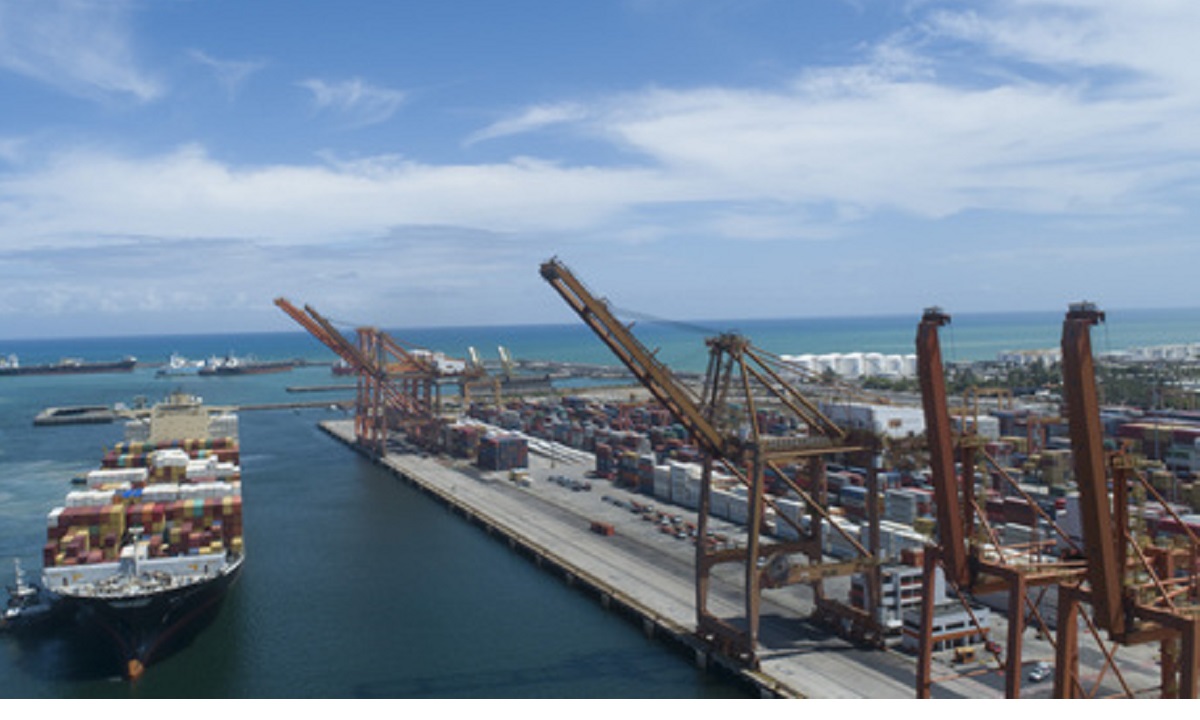

It Took A Billion Dollar Investment To Conclude The Return Of Suape Port, After Going Through Two Difficult Years Due To The Pandemic. Now, The Focus Is On Job Creation Until 2027
After two years of great difficulties faced due to the COVID-19 pandemic, the Suape Industrial Port Complex (or Suape Port) resumed its activities full speed ahead! This return means the revival of the route of economic and sustainable development, with the attraction of significant investments, improvement of the wharf infrastructure, initiation of new socio-environmental projects, and job creation.
Just in 2022, the Government of Pernambuco concluded important negotiations that will result in an investment exceeding, by 2027, R$ 35 billion at the Port. The projects will generate over 17,500 jobs in the following years. Today, about 224 companies are present at Suape Port and adjacent areas, maintaining over 40,000 jobs.
With the return of activities and the economy, the numbers jumped from R$ 18.8 million in 2020 to R$ 69.9 million in 2021. Between the years 2014 and 2022, the largest investment that came to Suape Port was the Aché factory, which had its groundbreaking in 2018 and generated various job opportunities. The factory was developed on an area of 25 hectares (250,000 m2) in Cabo de Santo Agostinho, with an investment of R$ 500 million and the generation of 3,000 direct and indirect jobs.
-
They exchanged the idea of a large house for a 35 m² warehouse, spent US$ 12,000 on the structure, and created a tiny house in Colorado with space to live and work.

-
While modern cities rely on pumps and electricity, in Iran, ancient tunnels carried water through the desert using only slope and gravity.
-
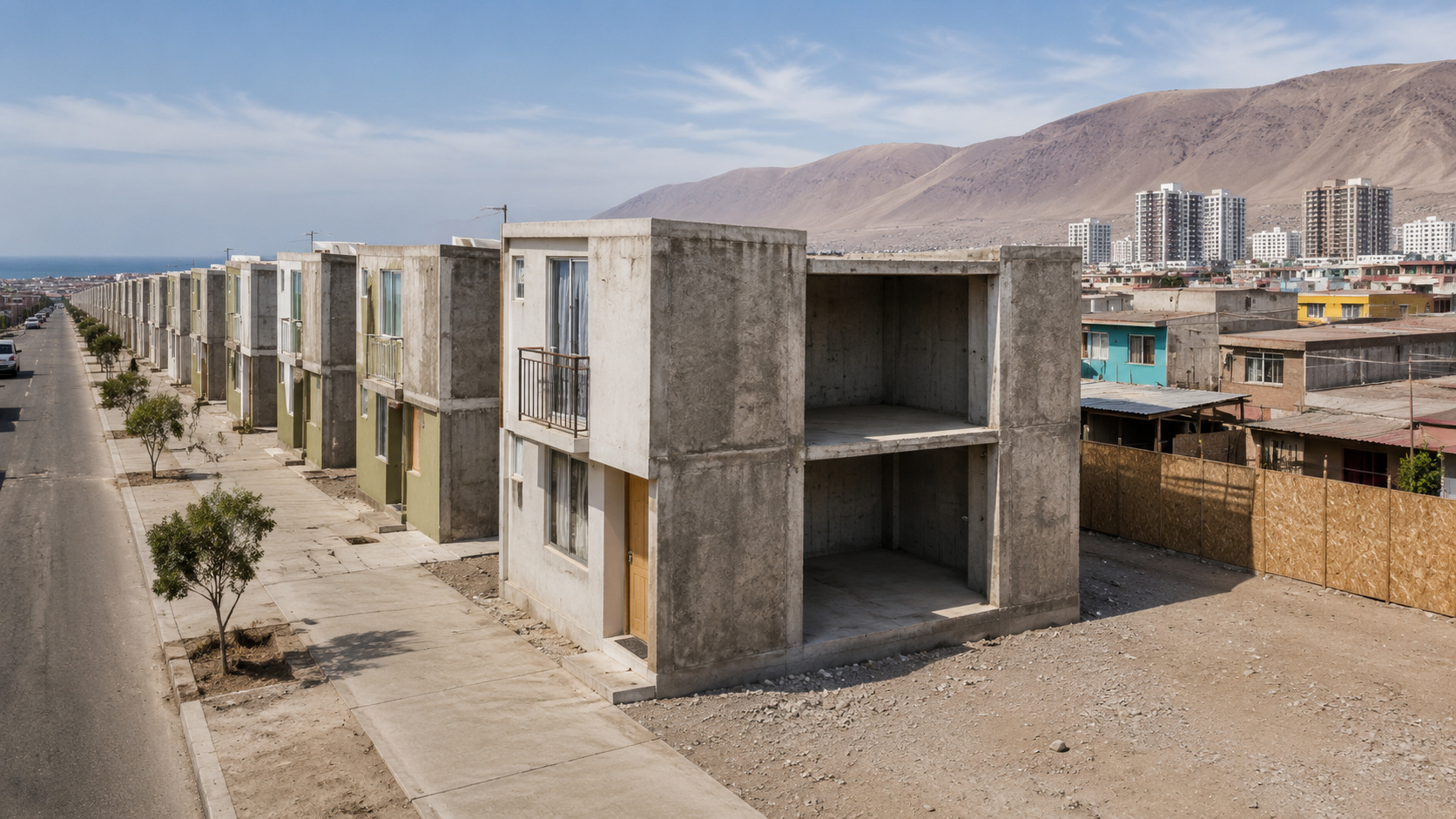
Instead of sending families far from the city, a project in Chile intentionally created incomplete houses on expensive urban land and left technical space for each to grow.
-
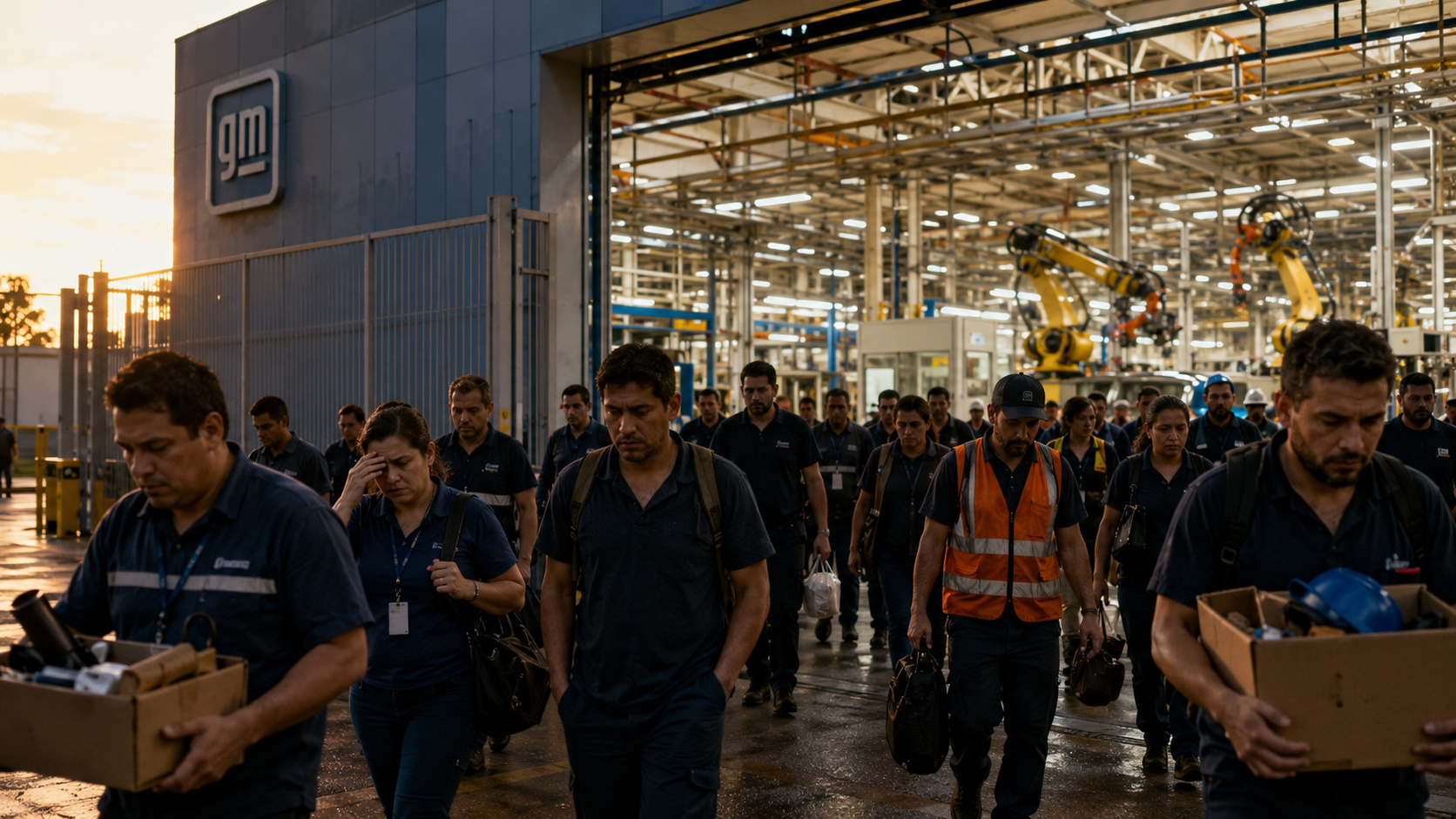
General Motors Replaces Over a Thousand Workers with 50 Cobots at Electric Vehicle Plant, UAW Union Criticizes Move Amid Industry’s Automation Push

After completing its distribution center in 2019, the Aché factory had to postpone the delivery of its industrial park scheduled for 2021. The constructions of the second phase, which will be dedicated to the manufacture of medications, are in full swing. When completed, the unit will produce, package, and distribute medicines throughout the Northeast. In the second phase, the factory will produce solid medications and will involve an investment of R$ 292 million. The new operation will begin in the first half of 2022 and will create 3,000 new jobs.
Even After Shutdown, Suape Port Maintained National Leadership
Even in light of the mandatory shutdown that Petrobras had to carry out at the Abreu e Lima Refinery (Rnest) in 2021, which resulted in a drop in overall activity at the Port, Suape maintained its leadership in the ranking of liquid bulk operations among all ports in Brazil.
In total, there were 14.9 million tons handled in 2021, compared to 14.3 million at the Port of Santos, the second place in the ranking. Liquid bulk represents 67.8% of all cargo handled at Suape. Another highlight was the cabotage navigation, where out of the 22.1 million tons handled by Suape port in 2021, 13.9 million had other Brazilian ports as their origin or destination. Just like in liquid bulk, the vice-leadership of the national ranking went to the Port of Santos (SP), with 13.1 million tons.