






 Portuguese
  Spanish


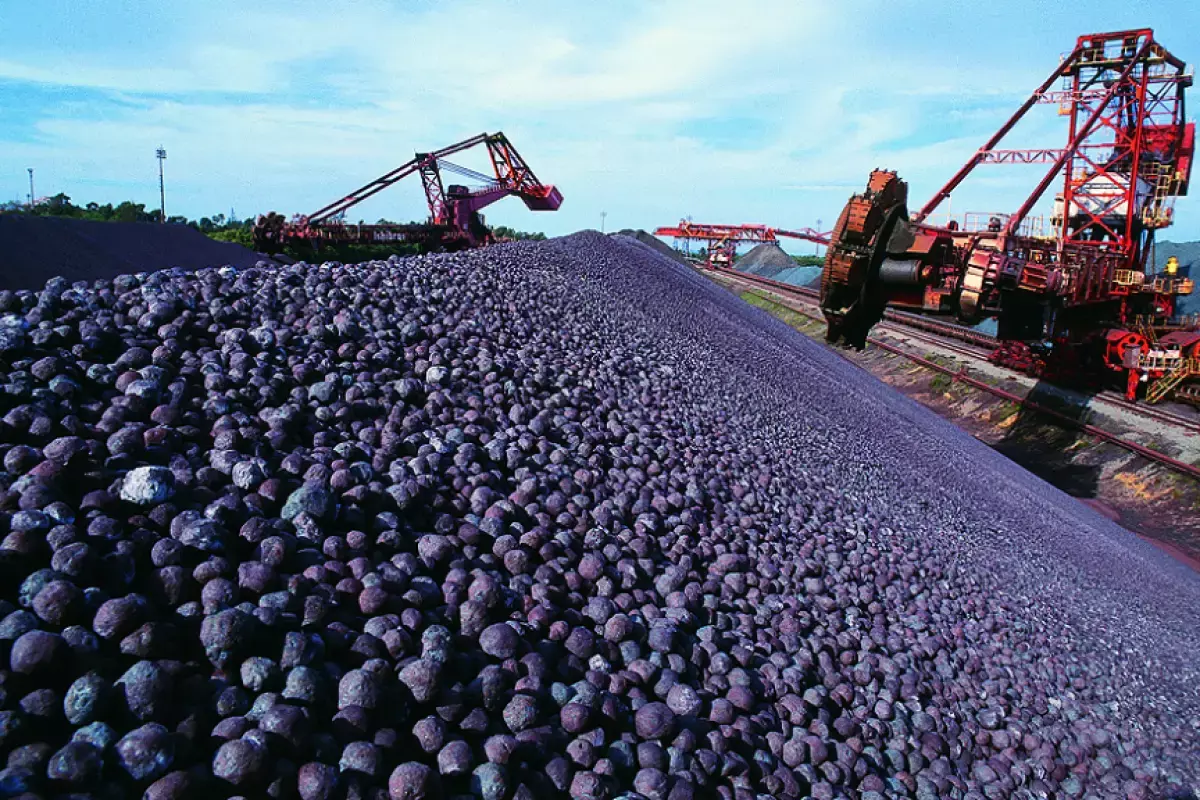

About 200 Cities Using Mining Resources in Brazil Will Compete for the 2nd Edition of the “Mining Cities Award – Quality of Public Governance in Mining Cities”.
Created by the Ministry of Mines and Energy and implemented by the Brazilian Mining Institute (IBRAM) and Public Agenda. The list of winning cities in each award criterion within mining in Brazil is expected to be announced on May 31, at a ceremony at the Ministry of Mines and Energy in Brasília (DF). Of the listed cities, 78 are in the Southeast, 47 in the Central-West, 32 in the North, 26 in the Northeast, and 17 in the South.
Learn More About the Mining Award in Brazil
Eight trophies and eight seals will be awarded for the quality of public governance in the following categories: health, education, social protection, infrastructure, environment, governance, public finances, and economic development.
In addition to the winners in each mining category in Brazil, the award will recognize regional highlights from each region of Brazil. To win, municipalities must demonstrate good public management practices throughout 2022, addressing the population’s needs and changing local realities.
-
France Revamps 530 Social Housing Units with Large Balconies and Glass Facades Without Demolishing Existing Buildings

-
10-Year-Old Max Makes History with Paris Fashion Show, Launches Own Brand, Hires Staff, and Sets World Record as Youngest Runway Designer

-
Bolivian Female Construction Workers Form Association to Combat Discrimination and 38% Pay Gap in the Industry
-
Near Amsterdam, residents buy land and discover they must also build streets, manage drainage, handle waste, and grow food on half their plot.




The award does not require applications and will be classified based on data analysis, from which 24 pre-selected practices will be chosen. Eight will be selected by a selection committee. A city can be selected in multiple categories. Cities will also be awarded regional highlights for each region of the country.
What Are the Criteria for Awards?
The analyzed data included coverage of primary health care services; vaccination coverage of the population; per capita spending on health and education; infant mortality; population size; number of households registered in the single social assistance registry; current payments; indicators of pension status; number of public servants per capita; urban planning spending; access to water; access to sewage collection; GDP (Gross Domestic Product) per capita; official number of jobs; number of MEIs (individual micro-entrepreneurs); and the municipalities’ ability to pay.
Employment in Mining in Brazil Remains Strong
The mining industry in Brazil is expected to experience a decline in performance in 2022. On the 7th, the Brazilian Mining Institute (Ibram) announced that production, revenue, exports, and tax collection in the sector fell compared to 2021. Nonetheless, mining entrepreneurs plan to spend more this year.
According to Ibram, Brazil’s iron ore production in 2022 is 1.05 billion tons. This production is 12% below the total for 2021, when the industry produced 1.19 billion tons. The result impacted the mining industry’s revenue, which fell from R$ 339 billion to R$ 250 billion last year.
The sector’s performance can be explained by the drop in mineral prices in international trade, as well as the decline in demand from countries that buy the most from the Brazilian industry, which affects national exports.








