Portuguese
  Spanish


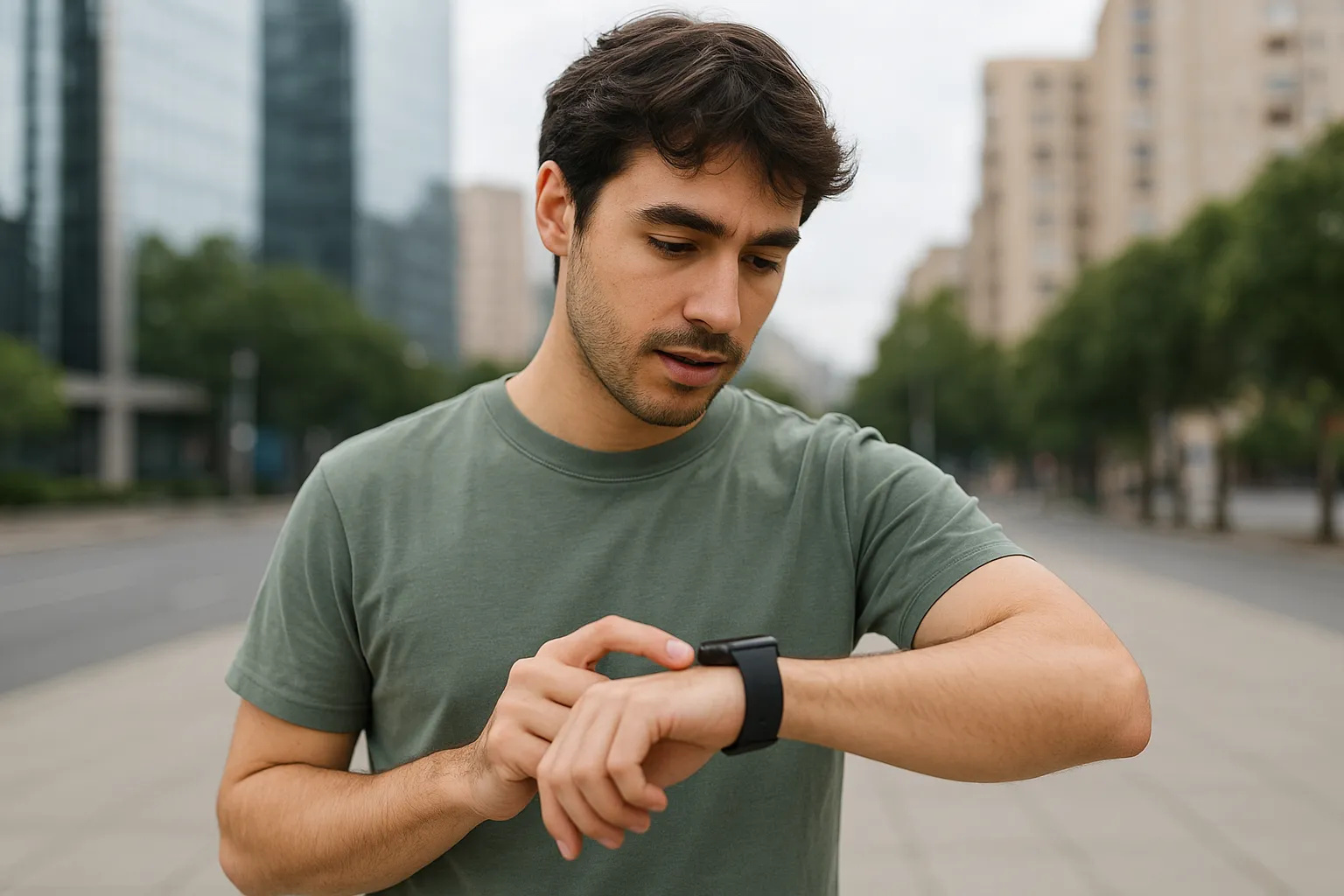

Have you noticed that, despite many people having a smartwatch on their wrist, few actually explore all its features? Most use it just to see notifications, count steps, or monitor heart rates, but these devices hide resources that can make a difference in well-being, productivity, and even safety. The functions of the smartwatch go far beyond the basics, and knowing some of them can transform how you view the accessory.
Little-Known Smartwatch Functions
Behind the small screen and modern design, smartwatches come equipped with tools that could make anyone’s life easier. Many of these features are already available in most models but go unnoticed because they are not widely advertised by brands or simply because users never explored the device’s menus.
Guided Breathing Control
The stress of daily life is almost inevitable, but few know that the smartwatch can be an ally in reducing that tension. Many models come equipped with guided breathing programs, which emit vibrations and visual instructions to help the user breathe more slowly and deeply. This technique can lower heart rate, relieve anxiety, and improve concentration. In offices, before an important meeting, or even at home, this function can be used in short sessions and already offers noticeable results. It’s like having a little mindfulness coach always on your wrist.
-
Longest Solar Eclipse of the Century Will Turn Day to Night for Over 6 Minutes, Allowing Star Gazing; Won’t Recur for 156 Years

-
Brazilian Researcher Develops Protein Supplement from Tilapia Waste, Combining Innovation and Sustainability with Economic Potential

-
Women in São Paulo Unknowingly Tracked by Coin-Sized Tags Hidden in Cars and Belongings, Raising Stalking Concerns
-
Near a $750 million AI data center in Brazil, a resident’s well runs dry, leaving her unable to afford the $25,000 needed for repairs.


Blood Oxygen Level Monitoring
Another function that is present in various models but little explored is monitoring blood oxygen saturation (SpO2). This data is crucial not only for athletes but also for anyone who wants to monitor signs of fatigue or respiratory issues. In high-altitude situations, during a severe flu, or even for those who suffer from sleep apnea, this reading can be an important indicator. Despite this, many users do not even realize that this function is available, and they miss out on a resource that can help detect health changes early.
Fall Detection and Emergency Alerts
Among the smartwatch functions that could save lives, fall detection stands out. Some models are capable of identifying sudden movements or unexpected falls, and if the user does not respond within a few seconds, the device sends an alert to pre-registered emergency contacts. This resource is extremely useful for the elderly, people living alone, or even athletes who engage in activities in more remote locations. Unfortunately, many people do not configure this function, perhaps due to unawareness, and end up missing out on the protection that the watch could offer in critical situations.
Contactless Payments
The idea of leaving home without a wallet seems strange to many, but the smartwatch already allows for this independence. With the contactless payment system, you just need to bring the watch close to the terminal to complete purchases at supermarkets, gas stations, or even on public transport. Although practical and safe, this feature is still underutilized in Brazil, either due to fear of failures or lack of habit. The reality is that when activated properly, this function greatly facilitates the routine, especially in quick runs or when we forget the wallet.
Why Do We Explore These Functions So Little?
User behavior explains much of this neglect. Many purchase the smartwatch for its design or to monitor basic physical activities and end up not delving into the device’s menus. Additionally, there is the barrier of initial setup: some functions require registration, additional permissions, or synchronization with apps, and not everyone has the patience to explore these details.
Another point is the lack of promotion. Brands typically highlight the most popular features in their campaigns—like step and calorie tracking—because they are the most sought after by the public. As a result, other, more advanced, and equally useful functions take a back seat.
How to Get the Most Out of Your Smartwatch
To truly take advantage of smartwatch functions, the secret lies in exploring the settings without fear. Spending a few minutes personalizing the device can reveal features that surprisingly simplify your routine. Activating breathing alerts during the workday, monitoring blood oxygen levels after exercise, setting up emergency contacts, and using digital payments are small steps that can bring more health, convenience, and safety.
The Future of Smartwatches
The trend is that these underutilized functions will become more common and intuitive over time. There are already models that perform electrocardiograms, measure blood pressure, and even monitor sleep quality in detail. As technology advances, these devices are establishing themselves not just as fashion accessories, but as true health and wellness assistants.
It’s worth reflecting: if the smartwatch is already on your wrist, why not harness its full potential? After all, technology only makes sense when used practically in everyday life, and perhaps the feature you’ve never used is just the one that could improve your day.