






 Portuguese
  Spanish
  2 min of reading
  0 comments


Prototypes Like the Ford GT90, Cadillac Sixteen, and Renault Trezor Impressed the World, but Ended Up Forgotten Before They Became Reality
Concept cars are used by automakers to showcase ideas, technologies and design of the future. However, most of the time, these models remain on paper.
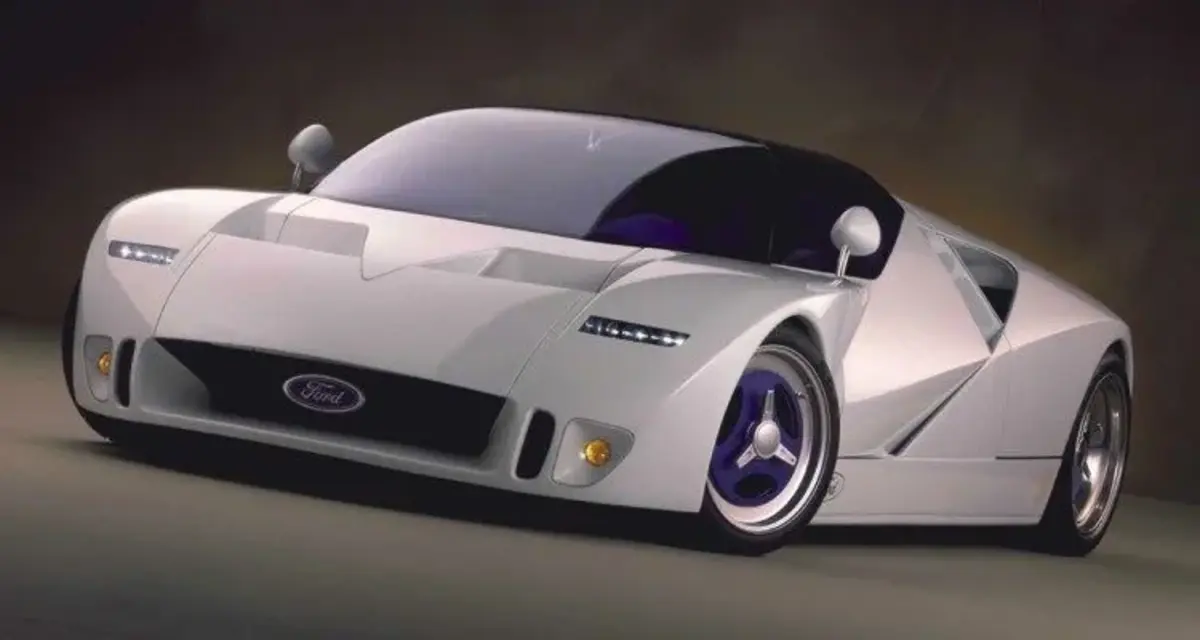
In 1995, Ford unveiled the GT90. Inspired by the classic GT40, the sports car had a 5.9-liter V12 engine producing 730 hp. The acceleration from 0 to 100 km/h was 3.1 seconds. There were rumors that the car exceeded 400 km/h, but nothing was officially confirmed.
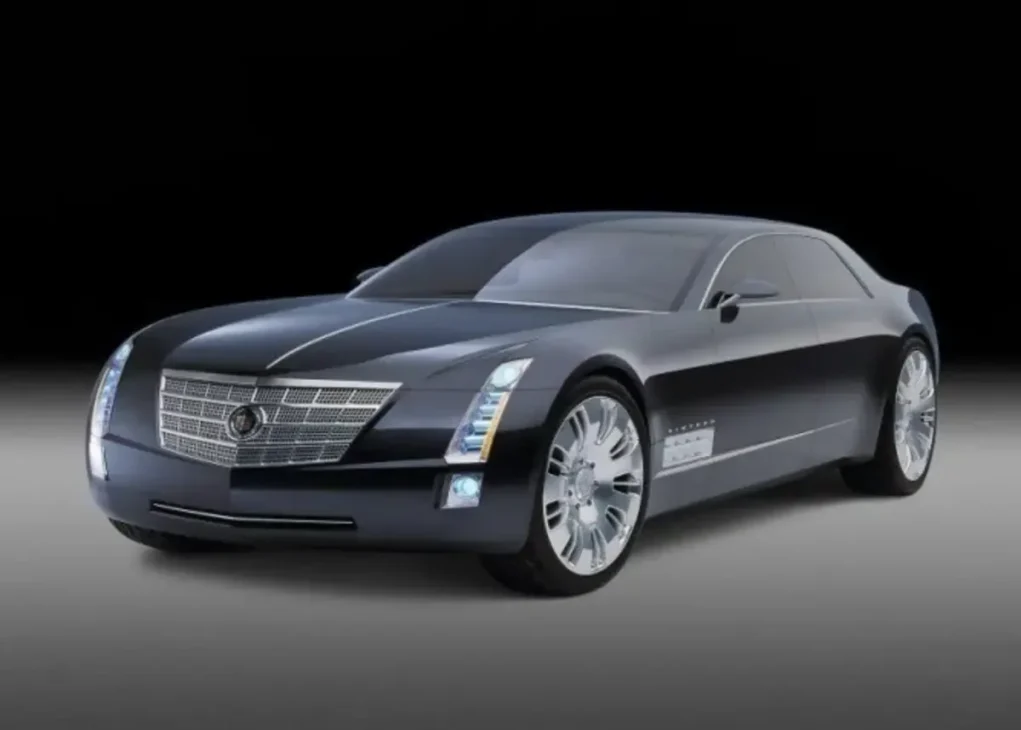
The Cadillac Sixteen appeared in 2003. The luxury sedan caught attention with a 13.6-liter engine and 1,000 hp. In addition to its power, the car also impressed with its internal and external design. Even so, it never reached dealerships.
-
Uber Faces Shareholder Scrutiny as Board Accused of Ignoring Safety, Compliance, and Harassment Warnings Amid Over 3,500 U.S. Lawsuits

-
Ferrari’s First Electric Car Divides Fans, Priced at $630,000, Amid Concerns Over Limited Editions; Brand Clarifies It’s Not Just for Future Perks
-
BYD Dolphin Mini: The Electric Car That Defies Depreciation, Losing Only 3.58% in a Year and Becoming the Best-Selling Retail Model Under $22,000

-
Electric Car JAC E-JS4 Loses $19,000 in Value in One Year, Leading Record Depreciation of Used Cars in Brazil Due to Expensive Battery and New Models


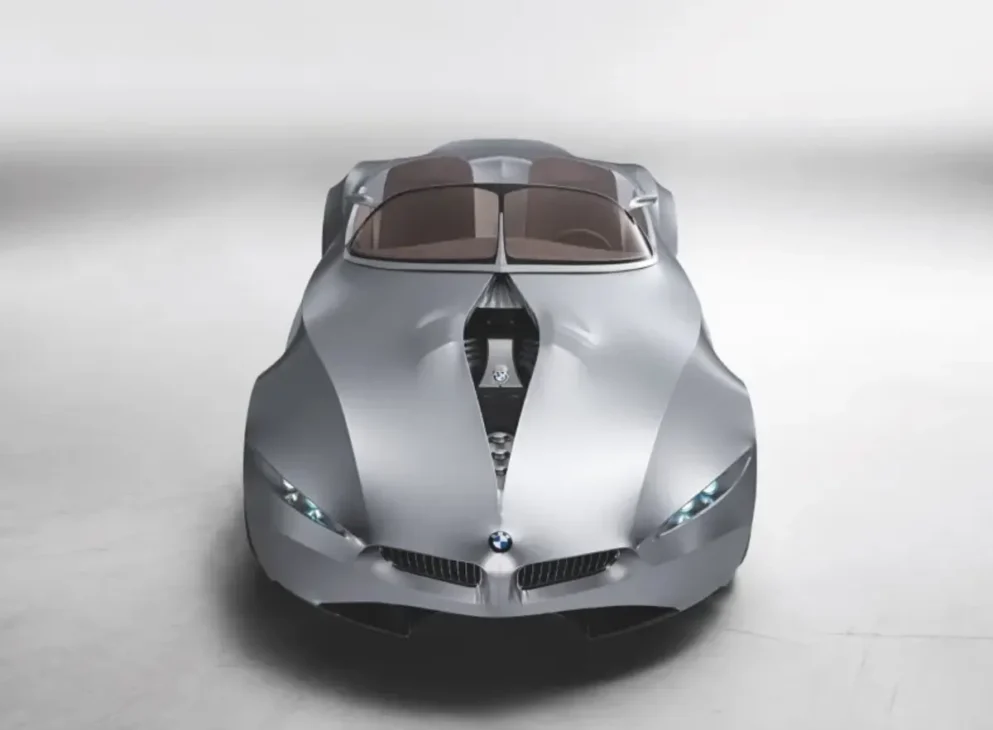
The BMW Gina concept was introduced in 2008. The difference was its fabric body instead of metal. The brand explained that the material offered more creative freedom in design and functionality of the vehicle.
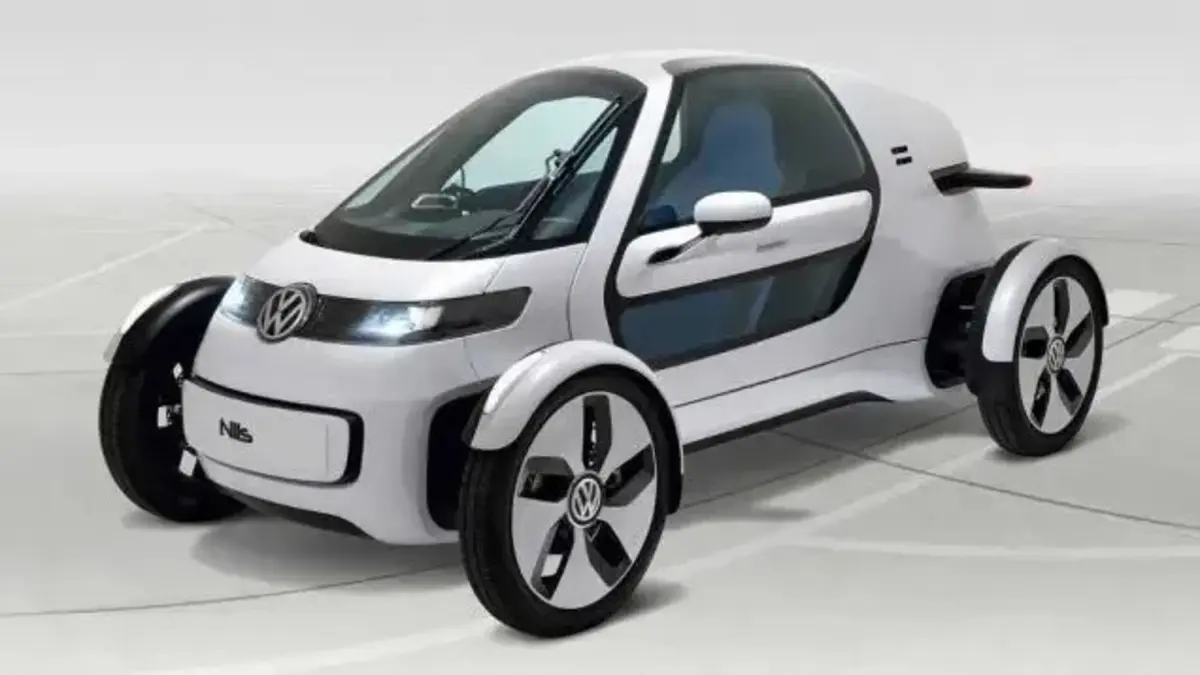
In 2011, Volkswagen revealed the Nils. The focus was urban mobility. Compact, the car weighed only 460 kg and had an estimated range of 25 km. It was exhibited at the Frankfurt Auto Show but did not proceed to production.
Renault also invested in a striking concept. In 2016, the French brand presented the Trezor, a 4.7-meter electric coupe. It had an engine with 350 hp, a torque of 38.7 kgfm and could go from 0 to 100 km/h in less than 4 seconds. Nevertheless, it did not enter the production line.
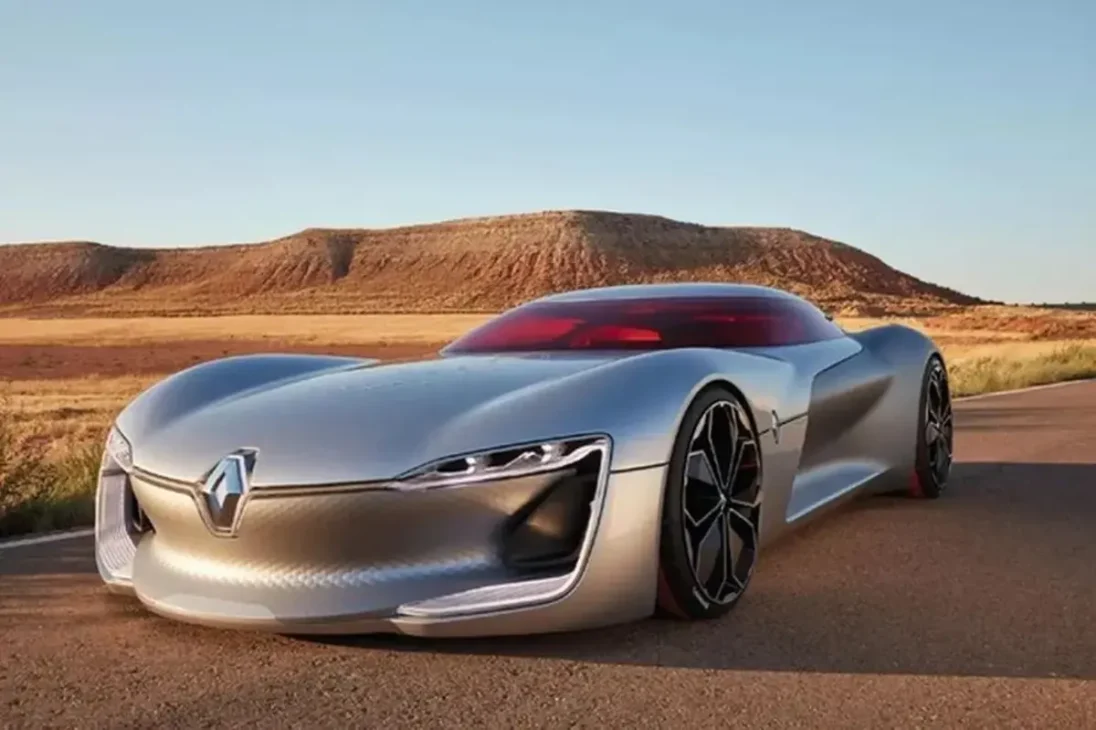
These concept cars made their mark at auto shows and showcased future trends. However, for various reasons, they never became a reality on the streets.
Nonetheless, they left their legacy in design and innovation for the brands. Each in its own way influenced projects that followed. And they still spark curiosity among car enthusiasts.
With information from CNN.





-

-

-

5 people reacted to this.