






 Portuguese
  Spanish


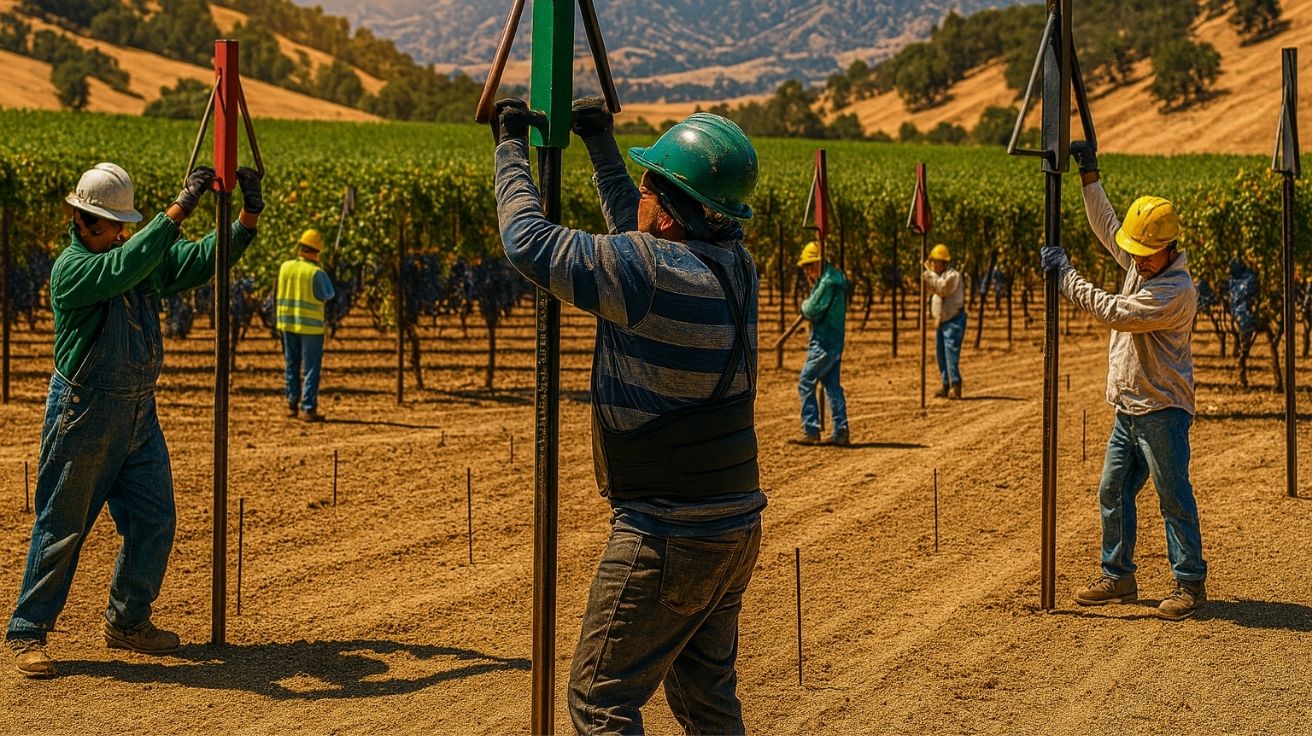

With 95% of National Production Concentrated in the State, U.S. Farmers Employ Over 95 Thousand Workers During the Harvest of Table and Wine Grapes in Dozens of Varieties
U.S. Farmers are responsible for harvesting billion of grapes annually on over 918 thousand acres of vineyards in California, which account for 95% of the national grape production. Focusing on table and wine varieties, the 2021 crop generated about US$ 5.2 billion, mobilizing 95 thousand farm workers during the peak harvest season.
Manual Grape Harvest:

The San Joaquin Valley, in southern California, leads the viticulture in the country. Between January and February, new vineyards are planted, when farmers install stakes and automated irrigation systems before putting in the seedlings. On average, 900 vines are planted per acre, spaced approximately seven feet between plants, ensuring room for vertical growth.
-
Producer receives news and had to cull almost the entire herd, bounced back with the help of compensation, and is now producing 450 liters of milk per day in SC.

-
Quail Eggs Reveal a “Secret Code” on Their Shells Explaining Unique Patterns and Colors

-
Rare Tropical Fruit Canistel, with Egg Yolk Color and Caramel Flavor, Gains Interest from Researchers and Small Producers in Brazil
-
Brazilian Farmers Develop Wheeled Metal Lever to Ease Cassava Harvesting Without Heavy Machinery


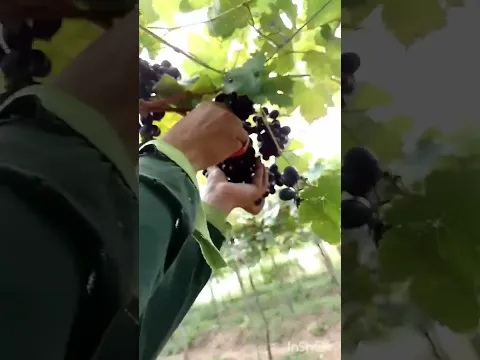
Each vine takes about three years to produce its first harvest, and California vineyards require rigorous pruning in winter to stimulate new branch growth in spring. U.S. Farmers also remove lower shoots and excess leaves, concentrating nutrients in the more productive parts of the plants. By May, the fruiting phase begins, and the clusters start to develop with the help of constant irrigation and pest control.
Table Grape Production Requires Manual Cutting and Visual Selection
Table grapes require special care during manual harvest, conducted cluster by cluster. To ensure quality, farm workers discard about 30% of the fruits during the process. In 2021, California produced 5.9 million tons of grapes, most of which were intended for fresh consumption.
During the season, 95 thousand seasonal workers gather in the fields, receiving an average wage of US$ 18 per hour. Despite the mechanization in other stages, the final selection of grapes depends on visual inspection, and many fruits are still discarded after harvesting to maintain market standards.
Besides labor, another essential factor is continuous irrigation. During summer, a mature vine can consume up to 10 gallons of water per day, requiring efficient and rational control of irrigation — especially in a state frequently affected by drought.
Wine Production is More Intense and Mechanized
Although sharing the same origin, the production of grapes for wine follows distinct practices. The grapes destined for winemaking undergo a less selective harvest, as they will be processed for juice and fermentation. This allows for greater use of machines and a higher volume harvested in less time.
Currently, about 48 varieties of table grapes are cultivated in California vineyards. In the case of wine grapes, diversity is also high, featuring varieties such as Cabernet Sauvignon, Chardonnay, and Zinfandel. After harvesting, the fruits go to factories and wineries for fermentation and bottling.
The role of U.S. farmers in this sector goes beyond production. They are also involved in genetic preservation, adapting varieties to the climate and investing in sustainable technologies, such as drip irrigation systems and biological pest management, to reduce the use of chemical pesticides.








