






 Portuguese
  Spanish


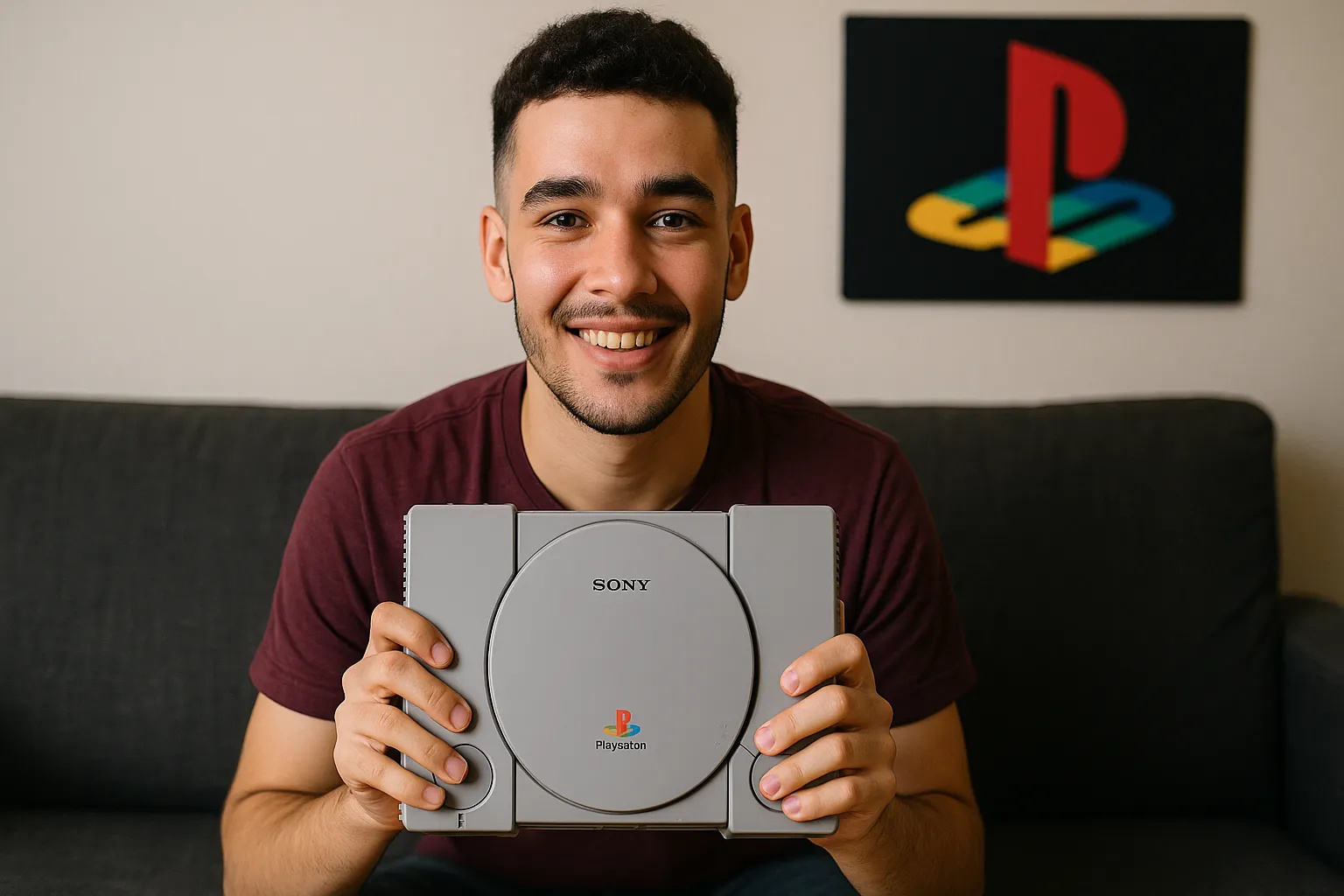


Do you remember the first time you picked up a PlayStation controller? For many, that moment marked not just the beginning of a game, but the entry into a universe that would revolutionize the way we play. The PlayStation is not just a console, but a story of innovation, challenges, and curiosities that helped shape gamer culture over the past few decades. Today, we will explore six surprising facts about the journey of this brand that has become a true icon of electronic entertainment.
The Unexpected Origin of PlayStation
Few people know, but the PlayStation was born from a failed project between Sony and Nintendo. In the early 1990s, the two companies worked together to create a CD-ROM accessory for the Super Nintendo. However, commercial disagreements led Nintendo to back out of the deal at the last minute, leaving Sony with a virtually ready prototype. Instead of abandoning the idea, the Japanese company decided to move forward and launch its own console. The result was the original PlayStation, released in 1994, which forever changed the gaming market.
The First Console to Sell More Than 100 Million Units
The success of the PlayStation was not limited to cultural impact. It was also a sales phenomenon. In 2005, the console became the first in history to surpass the milestone of 100 million units sold worldwide. This achievement solidified Sony as one of the leaders in the industry, challenging giants like Nintendo and Microsoft, which would only later enter the market with the Xbox.
-
Thinking of Installing LED Headlights? Why Replacing Halogen Bulbs is Still Banned, the Glare Risks Authorities Worry About, and How a New Proposal Could Allow Certified, Safe Installations

-
2027 Toyota Corolla Cross Unveiled: New Design, Enhanced Fuel Efficiency, Reduced Maintenance Costs, Advanced Technology, Connected Services, and Up to 10-Year Warranty

-
Fiat Cronos Precision 2018: Affordable Sedan with Spacious Trunk and Reliable Maintenance
-
Volkswagen to Cut Production by 1 Million Cars by 2030, Reducing Jobs and Platforms, Focusing on More Profitable Models





The Power of CD Games
One of the major innovations of the PlayStation was the adoption of CDs as the standard medium for games. Until then, cartridges dominated the scene, but they were expensive to produce and had memory limitations. With CDs, games gained much more space for graphics, music, and cinematic cutscenes. This allowed for more immersive experiences, such as “Final Fantasy VII,” which became a landmark for bringing a complex narrative and unforgettable soundtrack. This technological leap helped redefine what it meant to play video games.
The DualShock Controller Changed the Way We Play
In 1997, Sony launched an innovation that would become mandatory across the industry: the DualShock controller. With two analog sticks and integrated vibration, it offered an unprecedented level of immersion, allowing for more precise movements and the sensation of direct impact in the player’s hands. From then on, games gained new layers of gameplay, exploring this feature in racing, action, and adventure titles. The design of the DualShock was so impactful that it still influences modern controllers, including the DualSense for PlayStation 5.
The Bet on Exclusive Franchises
Another point that explains the strength of the PlayStation was the strategy to invest in exclusive franchises. Series like “Gran Turismo,” “God of War,” “Uncharted,” and “The Last of Us” were born under Sony’s umbrella and became true symbols of the brand. These franchises not only attracted millions of loyal players but also helped build the image that PlayStation is home to unique experiences, capable of mixing technological innovation with engaging narratives.
PlayStation as a Symbol of Pop Culture
More than just a console, the PlayStation became part of pop culture. It appears in movies, music, series, and even in memes that circulate on the internet. The famous startup sound of the original console, for example, is instantly recognized by millions of people around the world and evokes immediate nostalgia. Over the years, the PlayStation has ceased to be just a gaming platform and has become synonymous with fun, youth, and technological innovation.
The Legacy That Continues
Looking at the history of the PlayStation, it is clear that its legacy goes beyond numbers and technical innovations. It represents an era of transformation in how people interact with games, creating emotional memories that pass from generation to generation. The future of the brand, with PlayStation 5 and the promises of virtual reality and increasingly immersive games, shows that this journey is still far from over. Those who grew up with the console feel a mix of nostalgia and anticipation: the PlayStation not only kept up with the evolution of gaming but helped to write it.


