






 Portuguese
  Spanish


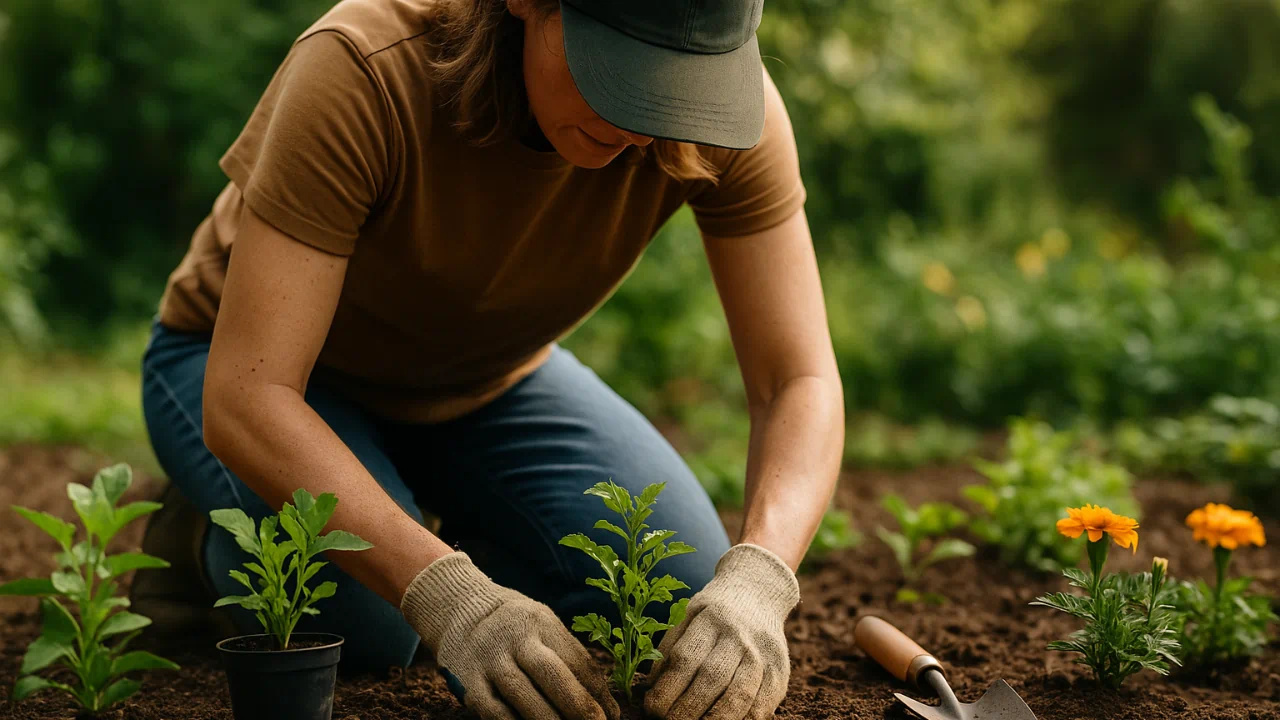


Gardening and landscaping are emerging as a silent goldmine—not only for making everything more beautiful, but also for responding to urgent forces such as sustainability, urban well-being, and the growing desire to reconnect with nature. If you are keeping an eye on the green market, here are 6 Professions Related to Gardening and Landscaping that are growing—and could be a life opportunity.
1. Landscape Architect: Who Designs the Green
The landscape architect is the professional who transforms ideas, spaces, and land into living landscapes. They do not only focus on aesthetics: they plan the land, study the soil, manage drainage, select species, and organize green spaces to be functional, sustainable, and visually appealing. Gardening and landscaping rely heavily on this professional to give the first shape to the space, connecting design, ecology, and well-being.
This market—especially landscaping—is growing with a focus on sustainability and innovation, according to experts.
-
Eight Artists Secretly Lived in a Hidden 70m² Apartment Inside a Shopping Mall in Brazil for Four Years

-
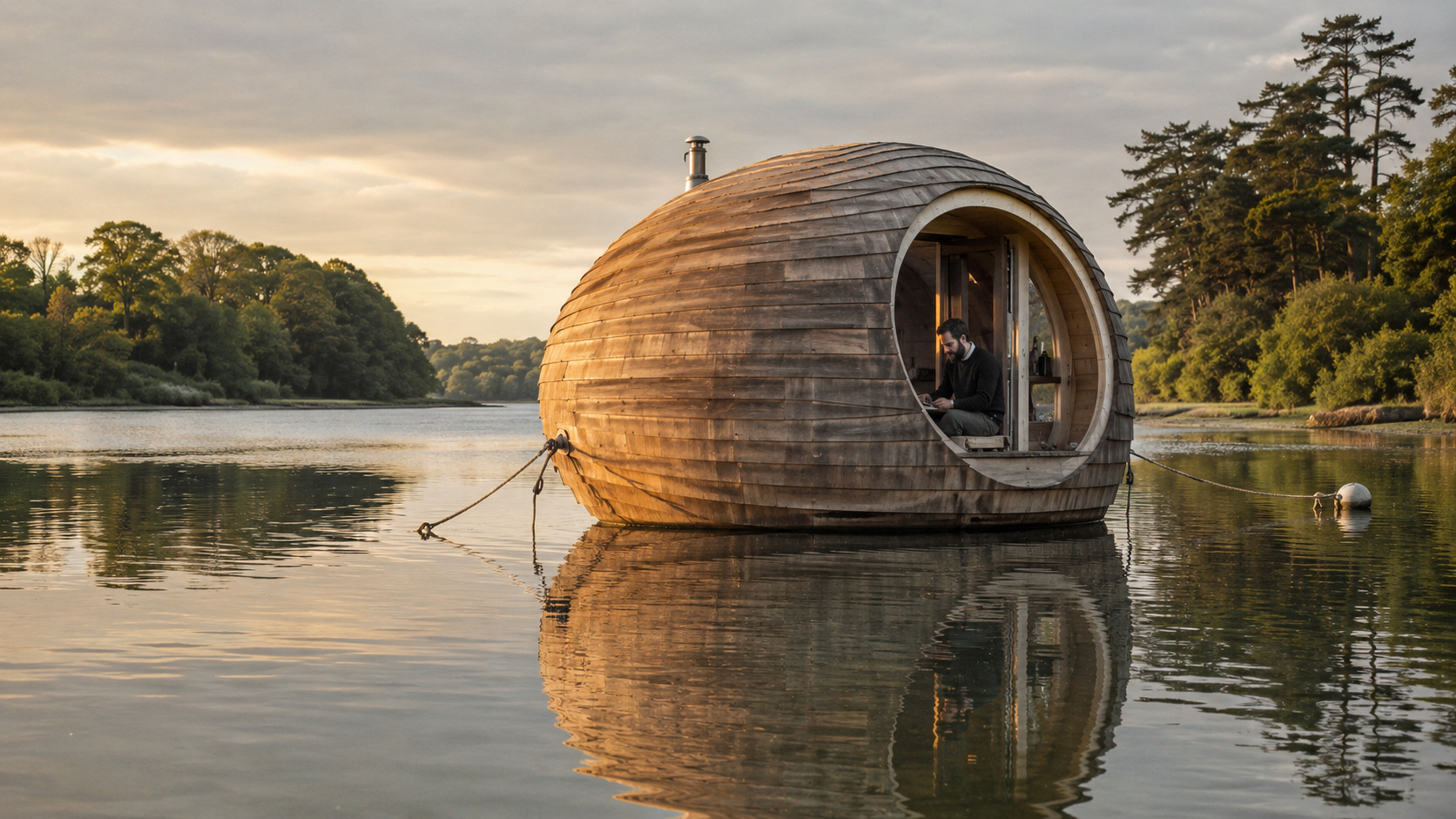
Artist Lives in Giant Wooden Egg Over a UK River to Observe Tides and Environmental Changes
-
Over 20 Metal Drums Repurposed into School Transport Train Boost Attendance in Australian Aboriginal Community

-
Abandoned Coal Crane at Copenhagen’s Old Port Transformed into Luxury Waterfront Retreat with Spa and Ship Views



Technician or Gardening Specialist
If the landscape architect designs, the gardener or gardening technician executes. They take care of maintenance, pruning, irrigation, fertilization, pest control, everything so that the project thrives after completion. Gardening requires sensitivity, practice, and a good eye to understand how each plant reacts. It is a more accessible career to start—many technical or short courses already provide substantial knowledge for this.
Native Plant Producer or Nursery Owner
With an increasingly strong environmental focus, there is a growing demand for native plants—for reforestation, for landscaping projects that respect ecosystems, or to create vegetation adapted to the local climate. A nursery specialist in this area is in an excellent position in the market. Moreover, conscious consumption values producers who offer diversity, quality, and preservation.
Landscape Architect or Agronomist with a Focus on Landscape
This professional combines two strong backgrounds: architecture or agronomy + specialization in landscaping. They are called for complex projects, such as urban parks, squares, green roofs, large condominiums, or public spaces. They bring techniques of topography, drainage, use of native plants, and sustainability. This is where large-scale work with significant impact is done, and municipalities and construction companies are increasingly seeking these specialists.
Environmental Consultant or Applied Botanist
Here the focus is more technical-scientific: thinking about plants, soil, biodiversity, and ecological impact. The botanist can work in nurseries, botanical gardens, research, flora conservation, also as a consultant in landscaping projects—evaluating species, ensuring that everything is in balance. Today, their role is valued even in high-end private projects that want to combine aesthetics and preservation.
These professions are growing for reasons that touch everyone: the desire for healthier environments, the impact of concrete in cities, and global warming demanding creative and conscious solutions. And that’s not all—there is also a growing aesthetic value, a push from public laws for green areas, benefits in well-being (urban vitality, thermal cooling, air purification) that only reinforce the appetite for green.
You may be thinking: “Is it too late?” Not at all. This is a sector that still values those who start small, with good will, technique, and innovation. In many cases, short courses, local partnerships, a portfolio, curation of unique plants, digital presence of projects, and local service provision can generate reputation and growth.
Reflecting: imagining a future with more green is not just a dream—it is a necessity. Professions related to gardening and landscaping not only meet an aesthetic demand but also respond to climatic, social, and emotional urgencies. If you feel an affinity for plants, the aesthetics of the environment, and nature, you may be facing a vocation that not only adorns but heals.





Excelente matéria… realmente o verde tem que estar em primeiro plano ,se querem modificar as condições climáticas adversas,e outros tantos benefícios que a natureza se impõe