






 Portuguese
  Spanish
  4 min of reading
  0 comments


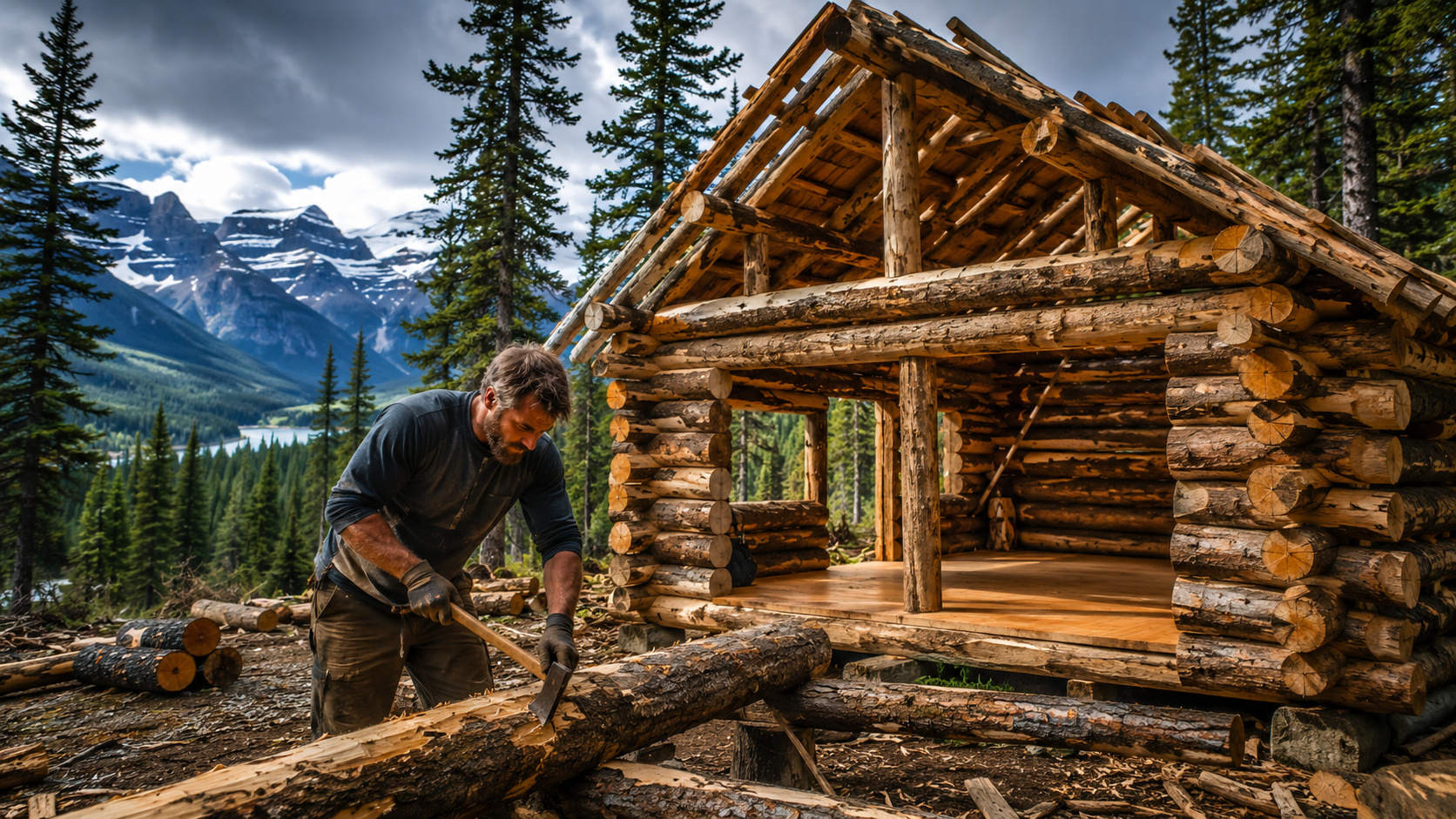
The wooden cabin built in the Canadian forest shows how raw logs turned into shelter, from tree cutting to finished floor, in a solitary work that mixes strength, patience, technique, and real risks
Without a construction team and surrounded only by trees, a man transformed forest logs into a wooden cabin in Canada. The construction takes place from the cutting of the trees to the final floor, with fitted walls and rustic roofing.
The information was published by My Self Reliance, a video channel about autonomous living. The video follows Shawn James in a sequence of heavy work, showing the cabin being built from scratch in an isolated area.
This case draws attention because it combines self-construction, raw wood, and life away from the city. At the same time, the work leaves a clear warning: building with logs requires care, appropriate tools, and knowledge to avoid accidents.
-
Maria Marli, a 15-Year Veteran Bricklayer, Helps Build Bahia’s Tallest Building and Realizes Her Own Dreams

-
Mayan Dogs Traveled Between Cities, Accompanied Leaders, and Were Used in Sacrifices: New Discoveries Uncover Complex Relationships

-
British Lawyer Faces Up to Two Years in Prison After Organizing Volunteers to Clean Polluted River in Brazil

-
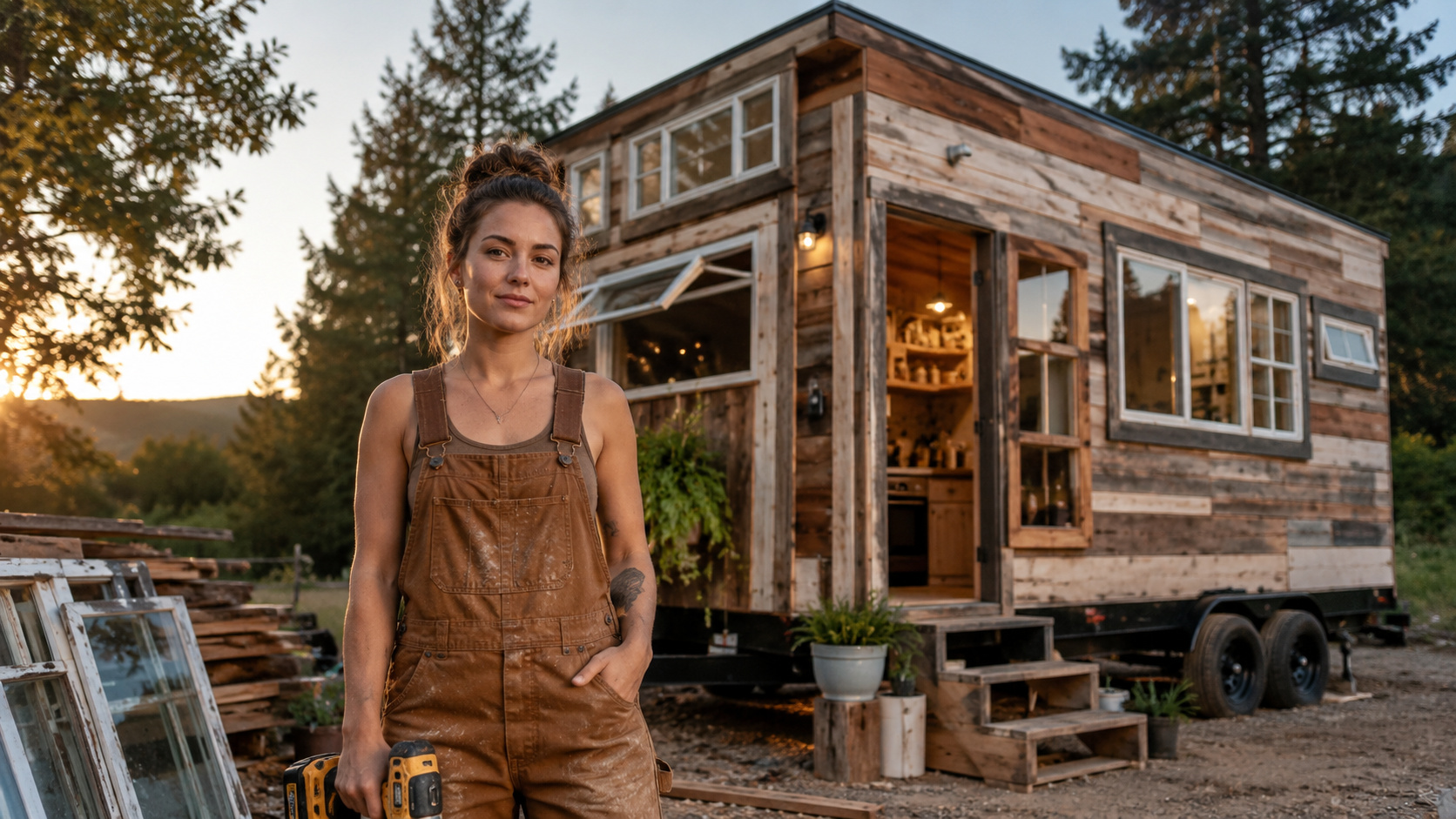
Unable to Afford a Traditional Home, Brazilian Woman Builds a Compact Mobile House Using Recycled Materials


Wooden cabin in Canada started with trees cut on the property itself
The construction began in the forest, with the cutting of the trees that would be used in the cabin itself. Instead of receiving ready-made pieces, Shawn James worked with logs taken from the surrounding environment.
This detail changes the perception of the work. The cabin was not just assembled on an isolated plot. It was born from local wood, with each log undergoing preparation before becoming part of the structure.


For the audience that enjoys construction, the video is powerful because it shows the entire journey. The tree stops being part of the scenery, becomes construction material, and then becomes part of the house walls.
Prepared logs and fitted walls reveal the most difficult part of the construction
After cutting, the logs needed to be cleaned, adjusted, and positioned. This process seems simple in fast-forward video, but it involves physical effort, repetition, and attention to each piece.
The walls were formed with overlapping logs, one above the other. To remain firm, each log needs to support well in the assembly, because the cabin’s stability depends on these fittings.
My Self Reliance, a video channel about autonomous living, recorded the assembly of the structure in a continuous visual sequence. The work shows that strength alone is not enough, as the weight of the wood and the balance of the walls require technique.
Simple foundation, rustic roof, and final floor gave shape to the shelter
Before the cabin gained complete walls, it was necessary to prepare a base. This base functions as the support of the construction and helps separate the structure from direct contact with the ground.
The rustic roof came in another important stage. It protects the interior against rain, wind, and cold, essential points in a wooden cabin built in a forest region.
The final floor completed the transformation. With it, the shelter stopped looking like just a structure of logs and began to have a more defined internal space for circulation and use.
Building alone in the forest seems fascinating, but involves risks that are not apparent at first glance
The image of a person building a cabin in the middle of the woods arouses curiosity. There is something powerful in seeing a house emerge without a large team, without apparent machines, and with wood taken from the local environment.
But this type of construction also carries risks. Cutting down trees, moving heavy logs, and using sharp tools are activities that can cause serious accidents.
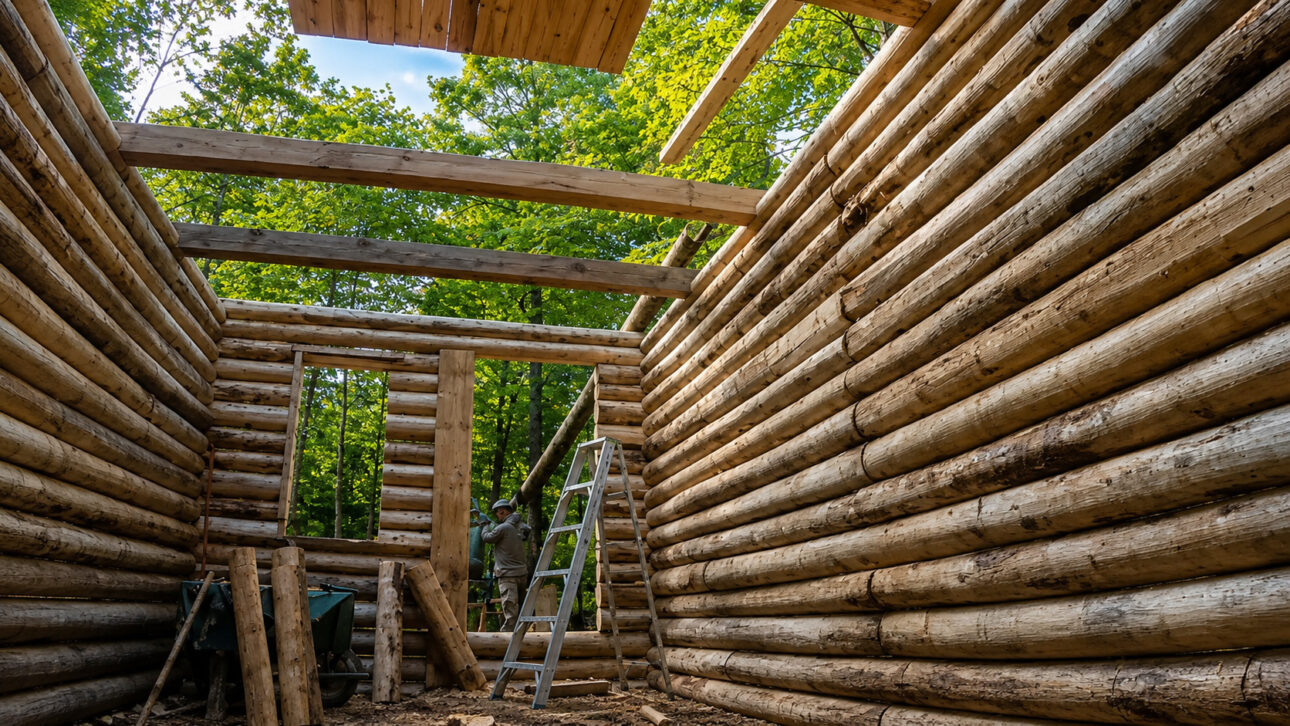
Therefore, construction should not be seen as a simple task. Self-construction with raw wood requires preparation, especially when it involves structure, climate, weight, and working in an isolated area.
The cabin resembles chalets in cold regions and wooden houses seen in Southern Brazil
The wooden cabin in Canada resembles chalets in cold regions and wooden houses common in parts of Southern Brazil. The similarity lies in the rustic look, the use of wood, and the feeling of shelter in the cold.
The difference lies in the process shown in the video. In many Brazilian chalets, the wood arrives purchased, cut, and prepared. In Shawn James’s case, the process starts earlier, still in the forest.
This comparison helps to understand the public’s fascination. The construction blends survival, simple living, manual labor, and the dream of having a shelter away from urban noise.
The work shows the real weight of transforming raw wood into housing
The wooden cabin built in Canada impresses because it shows each stage of the transformation. Trees became prepared logs, logs became walls, and the structure gained a roof and final floor.
The visual result is attractive, but the path to the finished cabin reveals the hard side of construction. Isolated life and artisanal work may seem romantic, but they depend on planning, care, and responsibility.
Do you think the pursuit of a simpler and more isolated home is worth the effort and risks of building everything with your own hands? Leave your opinion in the comments and share with those who enjoy this type of story.




Be the first to react!