






 Portuguese
  Spanish
  6 min of reading
  0 comments


New federal guidance brings together permanent housing policies and social assistance, in a stage that involves municipalities, ministries, and specific rules for people who live or have lived on the streets in the country.
The Federal Government has guided municipalities on the implementation of reserving at least 3% of the housing units from Minha Casa, Minha Vida for people and families living on the streets or with a history of street living.
The measure was discussed in a virtual meeting held on March 27, 2026, with representatives from areas such as housing, human rights, and social assistance.
The initiative is part of the actions of the Visible Streets Plan and involves the Ministry of Human Rights and Citizenship, the Ministry of Cities, and the Ministry of Social Development and Assistance, Family and Fight Against Hunger.
-
Man Builds Handcrafted Wooden Cabin in Canadian Forest Using Only Trees and No Construction Crew

-
Maria Marli, a 15-Year Veteran Bricklayer, Helps Build Bahia’s Tallest Building and Realizes Her Own Dreams

-
Mayan Dogs Traveled Between Cities, Accompanied Leaders, and Were Used in Sacrifices: New Discoveries Uncover Complex Relationships
-
British Lawyer Faces Up to Two Years in Prison After Organizing Volunteers to Clean Polluted River in Brazil




According to the MDHC, the meeting gathered more than 100 participants and aimed to explain to the municipalities the criteria and application flows of the new rule.
The reservation is provided for in the Joint Ordinance MCID/MDHC/MDS nº 4, dated March 20, 2025, published in the Official Gazette of the Union on April 23, 2025.
The regulation establishes procedures to assist people living on the streets and people with a history of street living in operations of Minha Casa, Minha Vida contracted with resources from the Residential Lease Fund, the FAR.
3% Reservation in Minha Casa, Minha Vida
According to the ordinance, the minimum reservation of 3% applies to MCMV-FAR projects located in the Federal District, capitals, and municipalities with more than a thousand people living on the streets registered in the Cadastro Único by October 2024.
In other municipalities, the percentage appears as guidance, according to the official text.
The list of covered entities totals 38 cities and includes capitals and large municipalities, such as São Paulo, Rio de Janeiro, Belo Horizonte, Brasília, Salvador, Recife, Fortaleza, Curitiba, Porto Alegre, Manaus, Belém, Goiânia, Campinas, Guarulhos, Santos, Osasco, and Vitória.
The selection considers locations with the highest concentration of street population in the CadÚnico.
The point highlighted by the government is that the policy links this public to units of Minha Casa, Minha Vida, a housing program with a permanent character.
According to the MDHC, this is the first reservation of vacancies in the country’s largest housing program specifically aimed at the homeless population, with the possibility of property transfer.
The Director of Promotion of the Rights of the Homeless Population at the MDHC, Maria Luiza Gama, stated that the measure is historic for ensuring the reservation of housing units from the MCMV in municipalities with the highest concentration of this public.
She also emphasized that it is the first time the country has provided access for the homeless population to housing programs with property transfer.
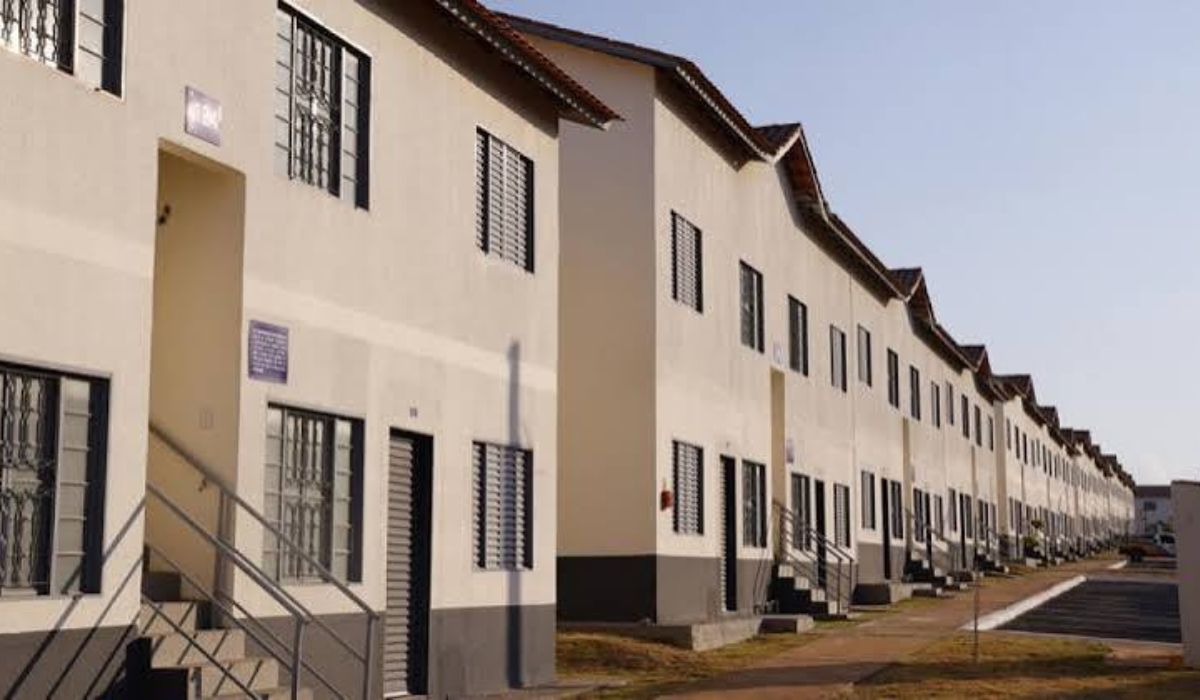
Difference between temporary housing and permanent housing
The comparison with the micro-houses in São Paulo helps to show the difference between service modalities.
In the capital of São Paulo, Vila Reencontro operates as a temporary housing service for homeless people, with housing modules, social support, and a welcoming structure.
According to the São Paulo City Hall, the program has eight units of Vila Reencontro, 550 modules, and the capacity to serve more than 2,000 people.
The modular units are 18 m² or 36 m², depending on the family composition, and come with basic domestic equipment.
In the federal model discussed by the ministries, the service is provided within the Minha Casa, Minha Vida program, through units contracted with FAR resources.
The ordinance does not foresee the automatic delivery of housing to all homeless people but establishes a flow for identification, selection, monitoring, and service of potential beneficiaries.
The regulation requires local public entities to indicate people and families eligible for service, based on eligibility criteria, registration, and monitoring by the social assistance network.
The process should consider the street situation or street trajectory, in addition to the conditions defined in the housing program rules.
Housing and social assistance in the same flow
During the virtual meeting, representatives of the Federal Government presented to the municipalities the criteria of Portaria MCID nº 738 and the social work guidelines provided in Portaria MCID nº 75.
The guidance sought to align the actions between municipal teams responsible for housing, social assistance, and human rights.
The acting national secretary for the Promotion and Defense of Human Rights, Eduardo Luz, stated that prioritizing MCMV slots for the homeless population requires integration between housing and social assistance, with clear flows and coordinated action.
The statement was made during the meeting promoted by the ministries.
The ordinance also establishes priority for specific groups within the homeless population.
Among them are families with children or adolescents, women, pregnant women, trans people, elderly people, people with disabilities, indigenous people, and participants in actions linked to the National Policy for Decent Work and Citizenship for the Homeless Population.
In practice, execution depends on administrative and social steps that precede the delivery of the units.
Municipalities need to organize registrations, indicate beneficiaries, coordinate the local network, monitor families, and ensure that the data sent to federal agencies meet the program’s requirements.


Visible Streets Plan and federal coordination
The housing reservation is part of the Visible Streets Plan, launched in December 2023 by the Federal Government.
The plan brings together 11 ministries and was announced with an initial investment of R$ 982 million for actions aimed at the homeless population, including social assistance, health, citizenship, housing, work, income, and data production.
In the case of Minha Casa, Minha Vida, the Ministry of Cities manages housing rules, while the MDHC participates in human rights coordination and the MDS contributes with the social assistance network and data from the Single Registry.
The ordinance distributes responsibilities among the agencies so that the reservation can be applied in MCMV-FAR developments.
The Federal Savings Bank also appears in the flow provided by the norm.
Among its responsibilities are procedures related to documentation, the signing of contracts with beneficiaries, the analysis of the Social Work Project, and the submission of information on the service to homeless people or those with a street trajectory.
Workshop should guide the 38 municipalities
According to the MDHC, the meeting showed that some municipalities were still unaware of all the necessary procedures to apply the reservation of housing units.
Therefore, the meeting addressed the coordination between federal norms and the administrative steps for the policy to be implemented locally.
As a follow-up, the ministries have decided to hold a joint workshop between the Ministry of Cities and the MDS with the 38 selected municipalities.
The activity should present experiences and practices of entities that have already structured integrated actions between housing and social assistance to serve the homeless population.
The General Coordinator of Special Social Protection of Medium Complexity of the National Secretariat of Social Assistance of the MDS, Valeria Maria de Massarani Gonelli, stated that the social assistance network is prepared to support homeless people in the transition process to housing.
According to her, social assistance services are open and committed to this stage.
Amanda Alves Olalquiaga, Director of Social Housing Production of the National Housing Secretariat of the Ministry of Cities, said that the interministerial ordinance represents progress in serving the homeless population, a priority group of the Minha Casa, Minha Vida program.
She stated that the ministry’s teams are working to guide and support the municipalities in implementing the measure.
With the new rule, housing assistance for homeless people now depends on the municipalities’ ability to integrate registration, social assistance, beneficiary selection, and monitoring in the territory.








Be the first to react!