






 Portuguese
  Spanish


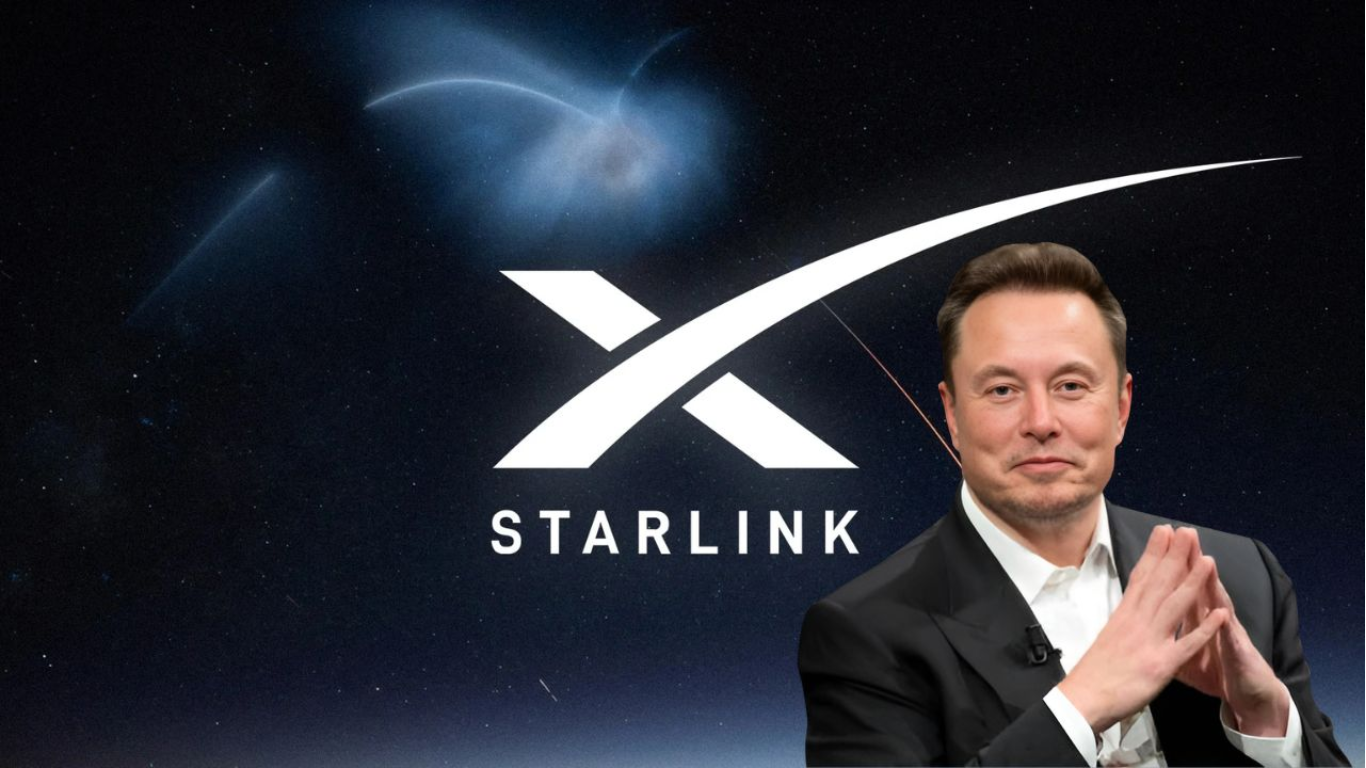


The Giant of Elon Musk Seeks to Revolutionize Connectivity in Remote Areas of Brazil with More Satellites in Orbit
Starlink, the company of renowned billionaire Elon Musk, is about to significantly expand its operation in Brazil, with an ambitious plan to launch 7,500 new satellites. This strategic move aims to enhance internet access in hard-to-reach areas, such as rural and isolated regions. The expansion request will be reviewed by the National Telecommunications Agency (Anatel) on February 13. The advisor and rapporteur of the process, Alexandre Freire, has already published his initial report, highlighting that the request was formalized by Starlink in December 2023.
Expansion and Innovative Technology
Currently, Starlink has 6,350 satellites in orbit, according to data released by Musk in September. The company operates with “non-geostationary” or “low Earth orbit” satellites, which stand out for providing high-speed internet in areas with limited infrastructure. The operation of these satellites in Brazil requires authorization from Anatel, a permission that Starlink already holds for its activities in the country, according to g1.
Competition and New Agreements
Amid the expansion planned by Starlink, Telebrás has entered into an agreement with SpaceSail, a Chinese competitor of Musk’s company. This agreement was signed in November during the visit of Chinese President Xi Jinping to Brazil and provides for cooperation between the two companies. However, SpaceSail still needs to complete regulatory procedures, including registering for a CNPJ and requesting authorization from Anatel to begin its operations in Brazil.
-
Berries, Strawberries, and Blueberries Could Transform Agriculture in Northeastern Brazil, New Tests Reveal

-
Danish Resident Discovers Six Viking Gold Bracelets Weighing 762.5 Grams, Third Largest Gold Treasure in Denmark

-
Over 200 Cities in Southern Brazil on Storm Alert as Cyclone Near Uruguay Brings Heavy Rain, Hail, and Winds Up to 100 km/h

-
Archaeologists Discover 2,300-Year-Old Beer in Sealed Bronze Vessel from Ancient Chinese Tomb




According to the Minister of Communications, Juscelino Filho, SpaceSail already has 40 satellites in orbit and has ambitious plans to launch an additional 648 satellites in the next 14 months. The company’s goal is to have 15,000 satellites orbiting the planet by 2030, which represents a significant expansion in the satellite market.
Global Connectivity and Brazil’s Role in the Space Race
Therefore, the space race to offer connectivity around the world is heating up, and Brazil finds itself at the center of this competition, with Anatel playing a crucial role in authorizing and regulating these operations. Thus, stay tuned for the next steps in this process and how it may impact connectivity in our country.






Impressionante! O povo está politizando até se o assunto for um penico. Até parece que tem santo onde há muito dinheiro envolvido. Quanta honestidade. 😌
Brasil precisa de homens empreendedores !
Quando as operadoras de telefinia movel mataram as operadoras de telefonia fixa, disseram que era evolução tecnologica, hoje estão vendo que os satélites irão acabar com as antenas delas e estão reclamando… é só… evolução tecnológica. ÓTIMO para os usuários. Nada impede delas também correrem para essa evolução.